The OPPO Find X9 Pro pivots the flagship conversation away from raw speed and toward endurance a 7,500 mAh battery sits alongside a high-end camera stack, suggesting OPPO wants you to charge less and shoot more. This post breaks down the specs, a realistic runtime simulation, and how it stacks up against other flagships.
OPPO Find X9 Pro Key specifications
- Battery: 7,500 mAh (typical) with fast wired and wireless charging support.
- Chip & display: MediaTek Dimensity 9500 with a 6.78″ 1.5K, 120 Hz flat OLED.
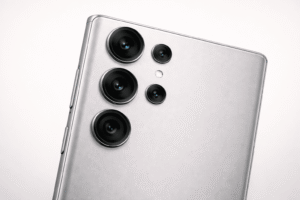
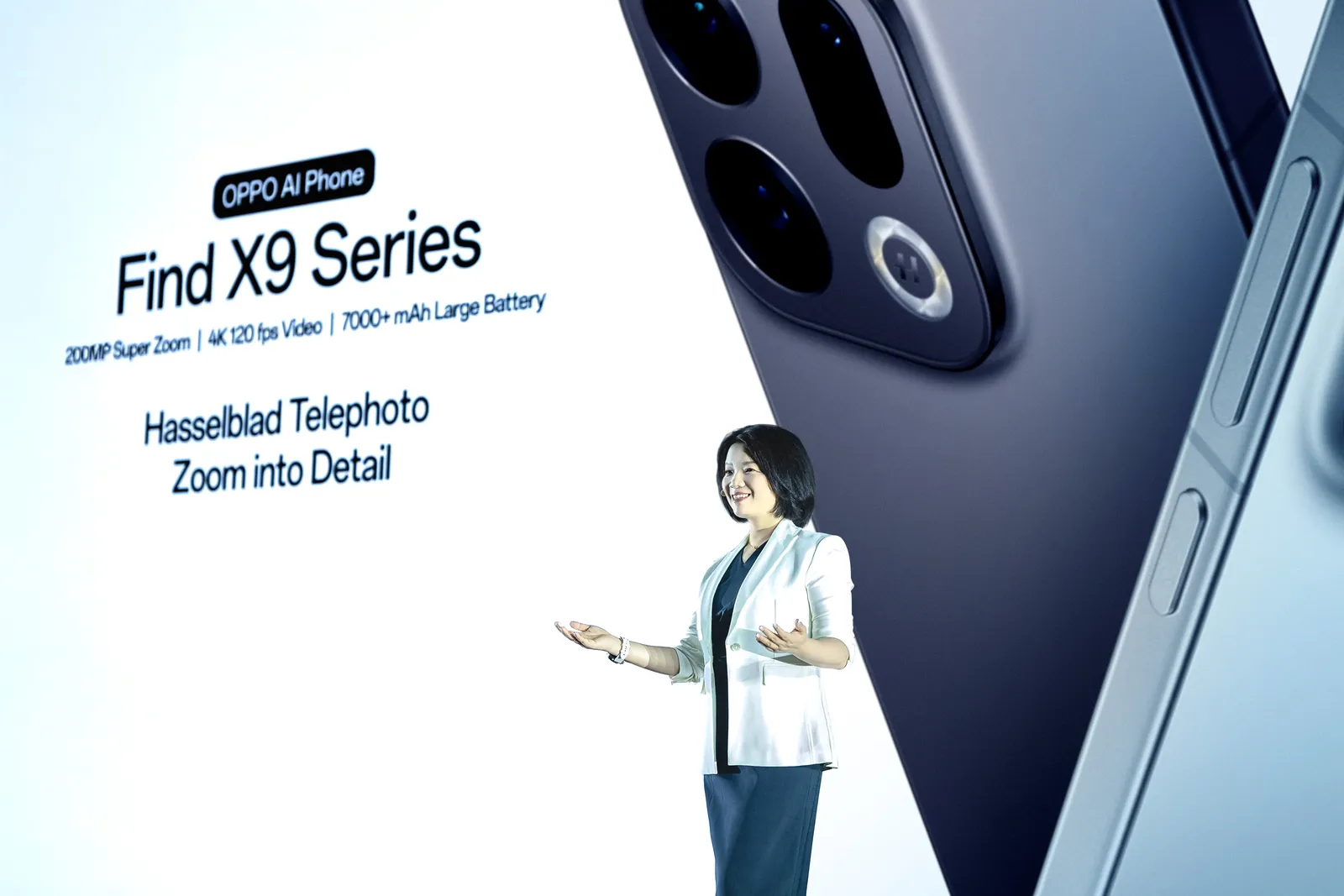
- Camera: flagship imaging with a 200 MP telephoto / periscope element and Hasselblad tuning; optional teleconverter accessories also reported.
Why OPPO’s 7,500 mAh Battery Redefines Flagship Endurance
Flagship phones for the last few years have concentrated on peak performance, displays and computational photography and often accepted a 4,500–5,500 mAh battery as “good enough.” OPPO’s move to 7,500 mAh is notable because it reframes endurance as a core premium feature, not a compromise. The company pairs the large cell with active power-management on ColorOS 16 and a Dimensity 9500 platform that’s relatively efficient for its class, so the headline number should translate into tangible multi-day use in many scenarios.

phone battery runtime ≈ battery capacity ÷ average current draw. For transparency I used conservative/optimistic current-draw ranges drawn from standard test methodologies and industry calculators (Notebookcheck test approach & a battery life calculator) and translated them into runtime windows for each task. These are estimates, not lab tests; real results will vary by brightness, network, refresh rate and thermals.
Estimated runtimes for the OPPO Find X9 Pro (7,500 mAh) ranges reflect optimistic → conservative assumptions:
- Video streaming (YouTube/Netflix at 120 Hz, medium brightness): 12–18 hours continuous.
- Gaming (graphics–heavy titles, high refresh): 5–8 hours continuous.
- Camera recording (4K/60–120 fps or frequent photo sessions): 6–10 hours continuous recording/active camera use.
- Moderate mixed use (calls, web, socials, some video): 1.5–2.5 days of typical daytime use before recharge.
Battery and Camera Comparison: OPPO Find X9 Pro vs Flagship Rivals
| Model | Battery (mAh) | Main Camera | Telephoto / Optical Zoom | Quick Note |
|---|---|---|---|---|
| OPPO Find X9 Pro | 7,500 (typical) | Sony / Hasselblad-tuned main (50 MP reported in docs), 200 MP telephoto/periscope for zoom duties | 3× optical native periscope + optional Hasselblad teleconverter accessory reported | Ultra-large battery + high-end zoom focus |
| Samsung Galaxy S24 Ultra | 5,000 mAh | 200 MP main (Samsung sensor) | 5× optical (periscope) / up to 100× digital | Mature platform; top-tier zoom and software |
| OnePlus 12 | 5,400 mAh | 50 MP (LYT-808 / Hasselblad tuned) | 3× periscope telephoto on some SKUs | Strong performance + fast charging |
| Xiaomi 14 Pro | 4,610–4,880 mAh (region/test variance) | Leica-tuned 50 MP primary (varies by model) | 3.2× telephoto on typical Pro models | Camera-centric, lighter battery relative to OPPO |
“A 7,500 mAh cell gives the Find X9 Pro a real advantage: longer untethered shooting sessions + a flexible periscope/200 MP zoom means you can shoot more and recharge less.”
The Trade-offs Behind OPPO’s Massive Battery Design
Size & weight: a big battery plus periscope optics usually add mass; if pocketability matters you’ll trade off convenience for endurance. (teardrop: leaked weights near 220–230 g reported).
Heat & throttling: sustained gaming or 4K recording produces heat; long sessions could trigger thermals that reduce effective runtime or throttle performance.
Software tuning matters: battery numbers are one thing; how ColorOS handles background tasks, refresh scaling (adaptive 120 Hz) and modem power determine everyday results. OPPO’s power-management and silicon choice (Dimensity 9500) aim to strike efficiency/ performance balance.