Apple has quietly published the official repair prices for its newest lineup — the iPhone 17, the iPhone 17 Pro (including Pro Max) and the new iPhone Air — and the figures give a clearer picture of what owning one of these phones can actually cost beyond the purchase price.
Is AppleCare+ Worth the Investment?
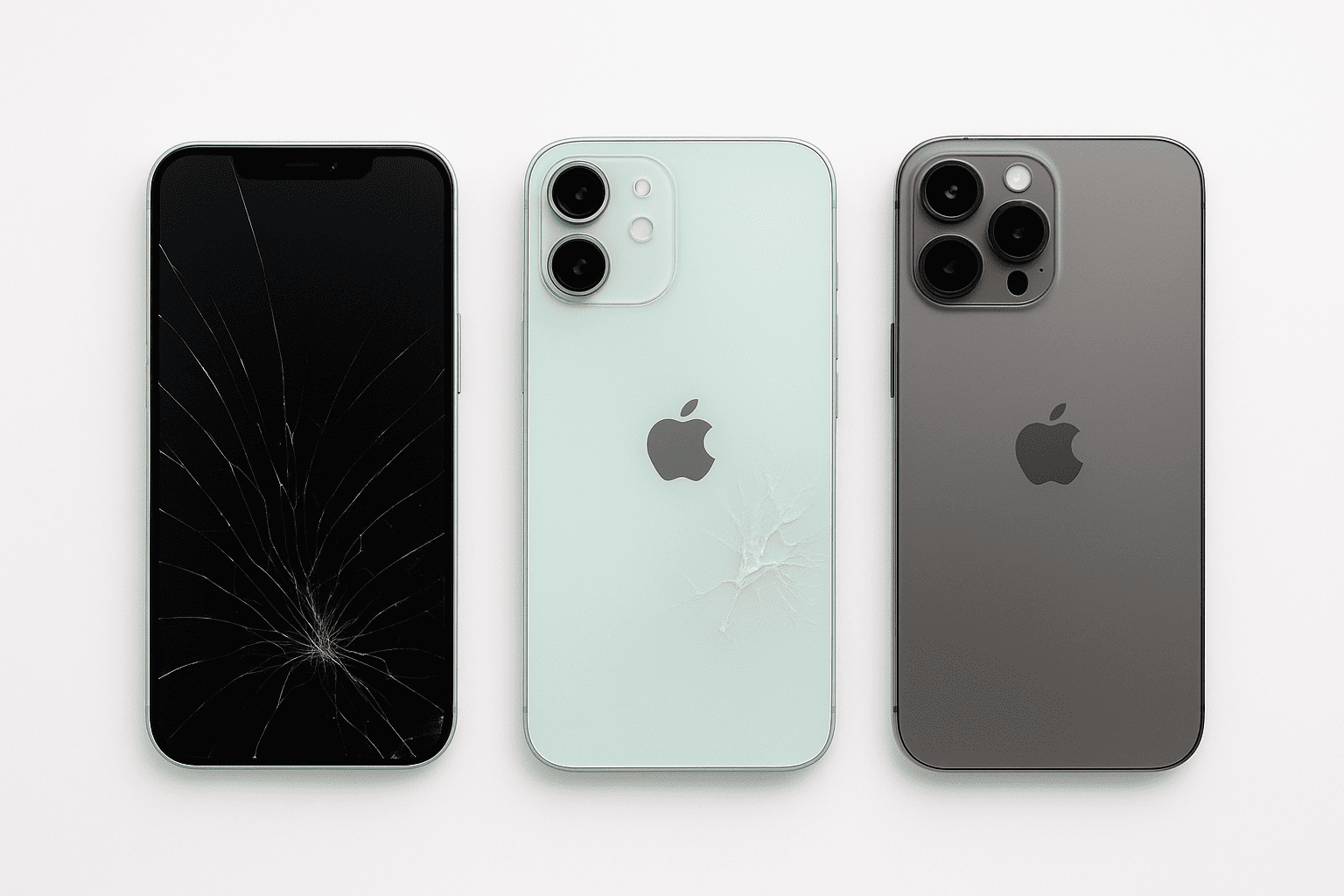
Seeing the exact numbers for screen, back glass, battery and camera repairs removes a lot of guesswork; it also forces the practical question many buyers ask only reluctantly: do I need AppleCare+ or am I better off taking my chances? For the typical front-screen repair on the non-Pro iPhone 17 and the iPhone Air, the out-of-warranty charge sits in the low-to-mid hundreds, and the Pro and Pro Max models are a little more expensive purely because of the larger and more complex displays.
Back glass replacements are cheaper than full-screen repairs but still sit at a level that makes many people wince, and battery replacements, while reasonable compared with other parts, are still not trivial when you add labor and local taxes.
Camera repairs on the Pro models command premium prices because of the multi-element hardware inside, and when anything is categorized as “other damage” the price can balloon toward what feels dangerously close to buying a new phone.
Iphone 17 Series Repair Costs and Protection Plans
Those headline numbers make the value proposition of AppleCare+ easier to understand. AppleCare+ adds a recurring or upfront cost, yes, but it dramatically reduces the outlay for accidental damage. A cracked screen that might cost a few hundred dollars out of warranty can end up being fixed for a modest service fee with AppleCare+.
That matters most for people who keep phones for several years, who are prone to dropping their device, or who use their phone in situations where damage is more likely. For someone who treats their phone roughly or who has kids, AppleCare+ can be the difference between an affordable repair and an unexpectedly large bill.
On the flip side, if you’re extremely careful, replace phones frequently, or have insurance through a carrier or credit card that already covers accidental damage, the calculus shifts — but you should still do the math before skipping AppleCare+ at checkout.
Regional differences also shape real-world costs. What looks manageable in dollars can become a weighty bill once converted into another currency and layered with local taxes and import fees.
In some markets, back glass or screen replacement fees are significantly higher in rupees, euros, or other currencies than the raw U.S. dollar price might suggest, and that makes protective measures and insurance plans more attractive outside North America.
This regional gap is worth thinking about if you travel between countries often or if you’re buying a phone abroad to use at home; warranty coverage and authorized service options can be tied to the country of purchase, which complicates repairs and sometimes increases out-of-pocket costs.
The iPhone Air is an interesting addition to the lineup because it’s pitched as a lighter, thinner alternative that borrows some Pro-level performance, yet in terms of repair pricing it’s treated much like the standard iPhone 17.
That means the Air doesn’t come with a repair discount for being lighter or simpler; its screens and glass are priced similarly, so buyers shouldn’t expect lower service bills simply because the model name sounds “lighter.”
If you’re choosing between Air, standard, and Pro models, factor repair costs and potential AppleCare+ premiums into your decision — the Air might be tempting for its weight and feel, but it carries the same need for careful handling or protection as the rest of the family.
Practical steps can help avoid the worst repair bills. Start with a robust case and a good screen protector; these two inexpensive accessories stop a huge share of accidental damage. Check your existing financial products — some credit cards and mobile carriers include device protection that may reduce deductible costs or replace a damaged phone entirely.
When a repair is needed, compare Apple-authorized service prices and warranties with independent shops, but remember that non-official parts can affect performance and resale value.
If you plan to keep the phone for multiple years, lean toward authorized service and genuine parts; if you’re only using it for a short time and resale isn’t a concern, a reputable third-party repair shop may save you money.
At the end of the day, Apple publishing these repair prices helps buyers make pragmatic decisions rather than guessing.
The numbers are not inexpensive, but they’re predictable, and predictability is useful: it lets buyers decide whether the upfront cost of additional coverage or a better case is worth the peace of mind.
If you’re buying one of the new iPhones, take a moment to plug the repair figures into whatever spreadsheet you use for big purchases — sometimes an extra monthly AppleCare+ payment adds up to less than the price of a single major repair.
Frequently Asked Questions (FAQ)
Are iPhone 17 repair prices the same in every country?
No, they are not. Apple sets repair prices region by region, and the final cost depends on local taxes, import duties, and currency values. For example, what costs a few hundred dollars in the U.S. could feel significantly higher when converted into rupees or euros. Always check Apple’s official country-specific repair page before planning a repair.
How much does AppleCare+ reduce repair costs?
AppleCare+ can make a big difference. Without coverage, a screen or back glass repair could run into hundreds of dollars, while with AppleCare+ the same repair may cost only a small service fee. For users who tend to drop their phones or plan to keep them for several years, the savings can easily outweigh the cost of the plan.
Is it worth repairing or replacing a badly damaged iPhone 17 or iPhone Air?
That depends on the extent of the damage. If only the screen or battery is affected, repair is usually much cheaper than replacing the phone. However, if multiple components are broken and the device falls under Apple’s “other damage” category, the repair cost may be close to buying a new iPhone. In such cases, replacement might be the smarter choice.
Do third-party repair shops offer a cheaper option?
Yes, third-party shops often advertise lower prices, but the trade-off is the use of non-genuine parts and lack of Apple’s warranty. While this might work if you’re not concerned about resale value or long-term reliability, using Apple-authorized service ensures genuine parts and official warranty backing.
Does the iPhone Air have cheaper repairs than the iPhone 17?
Not really. Despite being marketed as a slimmer and lighter phone, the iPhone Air’s repair costs are almost identical to the standard iPhone 17. Screen and back glass repairs are priced similarly, so buyers should treat the Air with the same care as the Pro and standard models.