IMDAD

Moto G67 Power 5G Launch in India: 7000 mAh, 120 Hz & Vegan Leather Finish
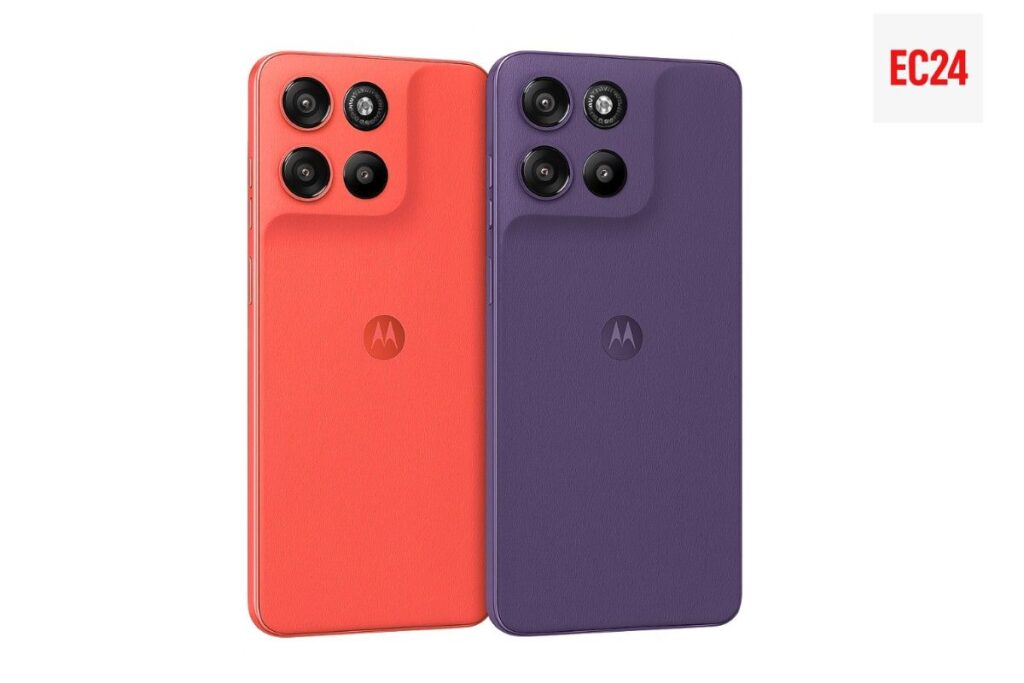
Moto G67 Power 5G in vegan leather finish, shown in orange and Parachute Purple color variants with triple rear cameras

Motorola has launched the Moto G67 Power 5G in India, marking a new entry in its mid-range G-series. The handset features a huge 7,000 mAh battery, a 6.7-inch FHD+ display with a 120 Hz refresh rate, and a vegan leather back in bold Pantone colours. Under the hood, it runs on the Qualcomm Snapdragon 7s Gen 2 chipset (6 nm) with 8 GB RAM and 128 GB storage. Priced at ₹15,999 (8+128 GB), the G67 Power goes on sale from November 12 on Flipkart, Motorola.in, and retail outlets. Moto G67 Power 5G – Key Specifications Processor: Snapdragon 7s Gen 2, 8GB RAM, 128GB storage Display: 6.7″ FHD+ IPS LCD, 120Hz refresh rate, Gorilla Glass 7i Battery: 7000mAh with 30W fast charging Camera: Rear – 50MP + 8MP ultrawide | Front – 32MP | 4K @ 30fps video Build & Audio: Vegan leather back, MIL-STD-810H, IP64, stereo speakers with Dolby Atmos Software: Android 15 (Hello UI), Android 16 upgrade promised, 3 years of security updates Price: ₹15,999 (8GB RAM / 128GB storage, India launch) A Closer Look at Moto G67 Power’s Stylish Vegan Leather Build The Moto G67 Power stands out with its faux-leather back panel, a first for the G-series. Motorola has offered the phone in three Pantone-curated colours Cilantro, Parachute Purple, and Curacao Blue. The textured vegan leather finish feels smooth to the touch and adds grip, while the phone remains surprisingly slim at about 8.6 mm thick.  At around 210 g, the G67 Power balances heft (due to its large battery) with ease of handling. Motorola has also included IP64 dust/water protection and MIL-STD-810H durability, meaning the phone can handle light splashes and occasional drops. A 3.5 mm audio jack and stereo speakers tuned for Dolby Atmos round out the practical, user-friendly design. Why the Moto G67 Power’s 120 Hz Screen and Snapdragon Chip Make It a Strong Mid-Range Pick The phone’s 6.7-inch IPS LCD offers a 2400×1080 (FHD+) resolution and a 120 Hz refresh rate for smooth scrolling and animations. Peak brightness is rated around 1050 nits for outdoor readability, and Motorola protects the screen with Corning Gorilla Glass 7i. Rather than using an AMOLED panel, Motorola opted for this high-refresh LCD to balance cost and smoothness. Under the hood, the Snapdragon 7s Gen 2 (the same chip used in the Moto G96) handles day-to-day tasks and gaming; it’s paired with 8 GB LPDDR4X RAM and 128 GB UFS 2.2 storage. Motorola’s near-stock Hello UI on Android 15 keeps the software light, promising Android 16 and three years of security updates, ensuring performance remains fluid over time. Moto G67 Power 5G Battery: 7000 mAh Cell Promises 2-Day Backup As the name suggests, battery life is the Moto G67 Power’s main focus. Its 7000 mAh lithium-polymer cell, built with “silicon-carbon” technology, dwarfs most competitors, and Motorola claims it can deliver over 58 hours of use on a single charge.  Despite the large battery, the phone’s slim frame and 210 g weight remain reasonable. Charging is handled via USB-C at up to 30 W, with a 33 W charger included in the box refueling the massive cell faster than older Moto G models. Software features like “Battery Care 2.0” further optimize long-term battery health. In real-world use, users can expect around two full days of moderate activity, making the G67 Power an ideal pick for power users and frequent travelers. Moto G67 Power 5G Camera: 50 MP Sony Sensor with 4K Recording Support The rear camera system is straightforward: a 50 MP Sony LYTIA 600 main sensor (1/2″, f/1.7) and an 8 MP ultrawide (f/2.2). Motorola says this combination also used on the Moto G86 Power is tuned for clear, bright photos rather than extreme zoom or depth effects. The 50 MP lens supports Quad Pixel binning and includes optical image stabilization (OIS), while the ultrawide camera doubles as a macro lens. A 32 MP front camera (f/2.2) sits in the punch-hole cutout and captures detailed selfies. Notably, all three cameras can record video at 4K/30fps a rare feature in this price range. Motorola’s camera app enhances the experience with features like Auto Night Vision, gesture selfies, and Google-powered AI tools such as Magic Eraser and Unblur for quick touch-ups. Overall, the setup is well-balanced for everyday photography, offering a high-resolution main sensor, a practical ultrawide lens, and reliable low-light performance. Expected Global Availability & Price In India, the Moto G67 Power 5G launched at ₹15,999 for the 8 GB/128 GB variant. With select bank offers (such as SBI and Axis), the effective price drops to around ₹14,999. The device went on sale on November 12 via Flipkart, Motorola’s official website, and offline retail stores. Motorola has not yet announced launch timelines for other markets, but based on the company’s global rollout pattern, the Moto G67 Power 5G is expected to reach international markets in the coming months. Exact pricing and availability outside India remain unconfirmed for now. Competitor Comparison – Mid-Range 5G Phones Model Processor Display Battery Camera Price (INR) Moto G67 Power 5G Snapdragon 7s Gen 2 6.7″ FHD+ LCD, 120Hz 7000 mAh, 30W 50MP + 8MP | 32MP ₹15,999 Redmi Note 14 5G Dimensity 7025 Ultra 6.67″ AMOLED, 120Hz 5110 mAh, 45W 50MP + 2MP | 16MP ₹17,999 OnePlus Nord CE 4 Snapdragon 7 Gen 3 6.7″ AMOLED, 120Hz 5500 mAh, 100W 50MP + 8MP | 16MP ₹18,999 Realme 12 Pro 5G Snapdragon 6 Gen 1 6.7″ OLED, 120Hz 5000 mAh, 67W 50MP + 32MP + 8MP | 16MP ₹19,999 Each of these rivals also targets the ₹15–20K segment with 5G, high-refresh displays and large batteries. The Moto G67 Power’s edge is clearly its 7000 mAh cell and stock-like software, while others (like the OnePlus Nord CE 4) offer faster charging or AMOLED screens. The Moto G67 Power 5G brings serious battery and a clean Android experience to its segment. With its launch in India confirmed, Motorola fans will be watching for announcements about a broader release. For now, it stands out as a unique endurance-focused

Moto G67 Power 5G Launch in India: 7000 mAh, 120 Hz & Vegan Leather Finish Read More »
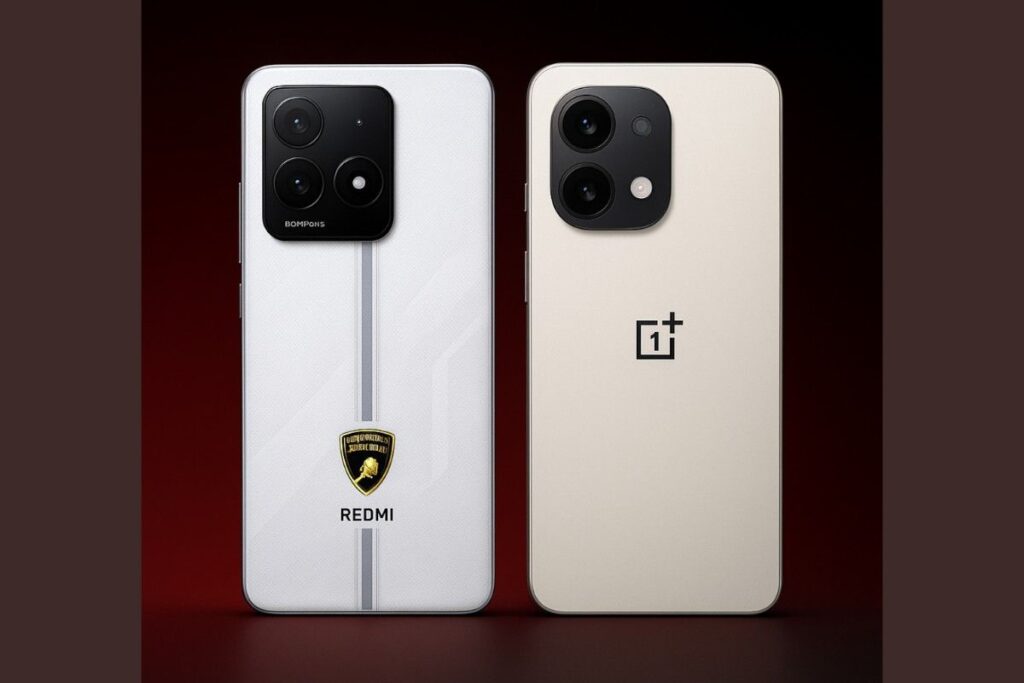
Redmi K90 vs OnePlus Ace 6: Snapdragon Power vs Dimensity Performance Compared

Redmi-K90-vs-OnePlus-Ace-6

Two power-packed phones, one burning question Snapdragon or Dimensity? The Redmi K90 and OnePlus Ace 6 are redefining midrange performance with flagship-level chips, massive batteries, and stunning displays. But which one truly delivers where it counts: gaming, cameras, battery life, and everyday speed? Let’s dive into a head-to-head showdown that could shape your next upgrade. Redmi K90 vs OnePlus Ace 6: Midrange Powerhouses Xiaomi’s new Redmi K90 and OnePlus’s Ace 6 are both high-end midrange phones launched in late 2025. Both pack Qualcomm’s latest Snapdragon 8 Elite chipset (a 3nm flagship chip) and massive batteries, but they target slightly different users. The Ace 6 is billed as a gamer’s phone  it even uses “Wind Chaser” tech and a triple-chip setup to sustain high frame rates while the K90 leans on all-day endurance and balanced specs. Early benchmarks show the K90 reaching over 2.2 million points on AnTuTu, and the Ace 6 reportedly even higher (around 3.2M in a leaked test). Both have up to 16 GB LPDDR5X RAM and up to 1 TB UFS4 storage, so multitasking and heavy apps run smoothly.  The Ace 6’s Adreno 830 GPU (clocked at 1.1GHz) and 165 Hz display mean games can look ultra-fluid, while its triple-chip design (CPU, network, touch) helps keep gaming smooth. The K90’s Snapdragon 8 Elite is essentially the same chip family, offering a claimed 45% CPU and 40% GPU boost over the previous generation. In real use, both phones breeze through daily tasks and demanding games.  Users noted that the K90 stays cool under load thanks to Xiaomi’s “3D ice” cooling and Surge chips, and the Ace 6’s bypass charging keeps it cool even while gaming. Display and Design: Redmi K90 vs OnePlus Ace 6  The OnePlus Ace 6 has a bigger 6.83-inch AMOLED panel at 2800×1272 resolution (1.5K) and a super-smooth 165 Hz adaptive refresh rate. It supports 10-bit color, covers full DCI-P3, and hits around 1800 nits peak brightness (great for outdoor visibility). It even has eye-care modes like low-flicker dimming and adjustable colour temperature The Redmi K90 uses a slightly smaller 6.59-inch OLED at 2510×1156 (around 2K) and 120 Hz. Xiaomi touts a new OLED substrate (M10 luminous) that boosts brightness up to 3,200–3,500 nits (per lab tests). Crucially, the K90 supports DC dimming at all brightness levels and a TÜV-certified low-blue light mode, which many users find easier on the eyes during long use. Both phones have slim bezels and punch-hole selfie cams (OnePlus slightly larger cut out for its 16 MP front sensor vs Redmi’s 20 MP). In terms of feel, the Ace 6 is a bit heavier (213 g) than the K90 (206 g), reflecting its larger battery. Both use glass backs and aluminium frames; the K90 even adds an IR blaster. Finally, water resistance is strong on both: the Ace 6 is rated IP66/68/69K and the K90 IP68, meaning each can handle splashes and immersion (the Ace 6 has the most robust protection of the two).  the Ace 6’s screen may appeal to hardcore gamers (extra smooth 165 Hz), while the K90’s sharper 2K panel, extreme brightness, and eye-care tech make it a visual standout for media and long reading sessions. Redmi K90 vs OnePlus Ace 6 Camera Comparison The Redmi K90 and OnePlus Ace 6 take very different approaches in photography. The K90 has a true triple-camera system, each 50 MP: a wide main sensor (large 1/1.55″ “Light Hunter” sensor with OIS for low-light shots), a telephoto 2.5× zoom lens with optical stabilization, and an 8 MP ultra-wide with a 120° field of view. The phone uses Leica-inspired processing to deliver punchy colors. It even supports 8K video recording at 30fps or super-slow 4K at 120fps with Dolby Vision HDR. Early samples show detailed, vibrant pictures and rich tones. The Ace 6, by contrast, has a more modest dual rear camera: a 50 MP Sony IMX906 main sensor (with OIS/EIS) and an 8 MP ultra-wide. There’s no dedicated telephoto, so zoom is digital only. It can shoot 4K video up to 120 fps on the main camera but tops at 1080p for the front.  The K90 offers more versatility its telephoto lets you frame close-ups and portraits sharply at around a 60 mm equivalent, while the Ace 6 relies on cropping. Low-light performance on the K90 should be better thanks to its big sensor and “Night Owl” mode. The Ace 6’s main camera is still high-quality (Sony sensors are known for their clarity), but on paper, the K90’s triple setup has the edge. Both phones support modern video modes, but only the K90 hits 8K and Dolby Vision. For everyday use, the Ace 6’s camera will suffice for snapshots and social media, but camera enthusiasts will prefer the K90’s extra zoom and imaging flexibility. Redmi K90 vs OnePlus Ace 6 Battery and Charging Comparison Both phones pack unusually large batteries for their price. The OnePlus Ace 6 goes huge with a 7800 mAh silicon-carbon cell, paired with 120W SuperVOOC charging. OnePlus claims around 50% charge in just 16 minutes and a full charge in about 43 minutes. It also features a “bypass charging” mode to keep the battery cooler during heavy gaming sessions while plugged in. The Redmi K90 uses a 7100 mAh battery with 100W wired charging. In tests shared by reviewers, the K90’s all-day battery life is impressive around 18 hours in mixed use (gaming, video, browsing). In real terms, both phones easily last beyond a day even with heavy use. The Ace 6’s larger battery plus faster charging means quick top-ups, ideal for gamers on the go. The K90’s slightly smaller battery is still enormous, and its 100W charging fills it in under 30 minutes. Neither phone supports wireless charging, though the K90 includes 22.5W reverse charging to power other gadgets. Software and Updates: Redmi K90 vs OnePlus Ace 6 Out of the box, the K90 runs Xiaomi’s new HyperOS 3 on top of Android 16, while the Ace 6 uses ColorOS 16 (also based on Android

Redmi K90 vs OnePlus Ace 6: Snapdragon Power vs Dimensity Performance Compared Read More »

HarmonyOS 6 Has Arrived: Here’s the Full List of Huawei Phones Getting the Update

HarmonyOS 6-Upcoming-Updates

Huawei has officially begun rolling out HarmonyOS 6, the latest version of its in-house operating system for smartphones. The much-anticipated update first announced in June has arrived as a public beta in China, marking a major milestone in Huawei’s push to strengthen its homegrown software ecosystem. Select users in China can now register through the My Huawei app to try HarmonyOS 6, as the company kicks off this new chapter in its post-Android journey Key Highlights and New Features of HarmonyOS 6 Revamped Interface: HarmonyOS 6 features a smoother, faster UI with refined animations, AI-generated themes, and customizable lock-screen widgets. Smarter AI: The new assistant XiaoYi understands context, automates multi-step tasks, and enhances daily usability. Enhanced Security & Ecosystem: Includes AI fraud and deepfake detection, an anti-peep privacy tool, and improved cross-device file sharing for a safer, more connected experience. Huawei Phones Receiving the HarmonyOS 6 Update Officially Confirmed Devices Huawei has officially confirmed that the following smartphones (in China) are eligible for the HarmonyOS 6 update, either immediately via the beta or in upcoming rollout phases: Huawei Mate 70 series Huawei Mate 60 series Huawei Mate X6 series (foldable) Huawei Mate X5 series (foldable) Huawei Pura 80 series Huawei Pura 70 series Huawei Pura X series (foldable) Huawei Pocket 2 series (flip foldable) Huawei Nova 14 series Huawei Nova 13 series Huawei Nova 12 series Huawei Nova Flip Huawei Nova Flip S Huawei Mate XT (including Mate XT Ultimate Design edition) Huawei Nova 14 Lite (Vitality Edition) Huawei Enjoy 70X Expected Devices (Not Yet Confirmed) Based on Huawei’s past update patterns and support policies, additional models are likely to receive HarmonyOS 6 even if they weren’t part of the initial beta announcement. While not officially confirmed, the following recent Huawei phones are expected to get the HarmonyOS 6 upgrade in the coming months: Huawei P60 series (2023 flagship) Huawei Mate 50 series (2022 flagship) Huawei P50 series (2021 flagship) Huawei Mate 40 series (2020 flagship) Huawei P40 series (2020 flagship) HarmonyOS 6 China Launch: Global Rollout Yet to Begin For now, Huawei is limiting the HarmonyOS 6 rollout to its home market in China. The initial public beta wave is available only in China users there can sign up through the My Huawei app to download the beta on supported devices. Huawei has explicitly stated that this entire beta program is China-specific, and as of yet, the company has not announced any timeline for a global release of HarmonyOS 6. In other words, Huawei phone owners in international markets will have to wait patiently; it remains uncertain when (or if) Huawei will push HarmonyOS 6 to global models that currently run its Android-based EMUI software. This cautious, China-first rollout strategy isn’t surprising Huawei appears to be refining HarmonyOS 6 within its domestic ecosystem before attempting a wider release. The staggered rollout (with public betas, closed betas, and phased updates through the end of 2025) shows Huawei doubling down on integrating its whole product line up under one software umbrella. HarmonyOS 6 isn’t just a routine update; it’s a statement of intent for Huawei’s post-Android ambitions, as the company unifies smartphones, tablets, wearables, and more around its self-developed platform. Once polished in China, Huawei will be in a stronger position to consider a broader deployment but until the global app ecosystem and regulatory landscape are ready, HarmonyOS 6 remains a China-only experience. Huawei Expands HarmonyOS 6 Support to Older Flagships These devices are all high-end models from the last few years that Huawei has strong incentive to continue supporting. In fact, Huawei executives have hinted that even some five-year-old phones could eventually jump to the new HarmonyOS platform. Internal roadmaps reportedly include 2019-era flagships like the Huawei P30 and Mate 20 series among the devices that may receive HarmonyOS 6 down the line. Such extended support would underscore Huawei’s commitment to bringing its self-developed OS to as wide a user base as possible, even as it frees itself from Android. Overall, HarmonyOS 6 represents a bold step forward for Huawei’s ecosystem. From a slick new interface and smarter AI features to a comprehensive device update list, Huawei is signaling that it’s pressing ahead on its own terms. For Huawei users in China, the HarmonyOS 6 era is beginning now and if all goes well, many more devices (and eventually global users) could be in line to experience Huawei’s evolving alternative to Android in the near future.

HarmonyOS 6 Has Arrived: Here’s the Full List of Huawei Phones Getting the Update Read More »

Redmi Pad 2 Pro Review: How Xiaomi Made a Budget Tablet Feel Flagship

Redmi-Pad-2-Pro

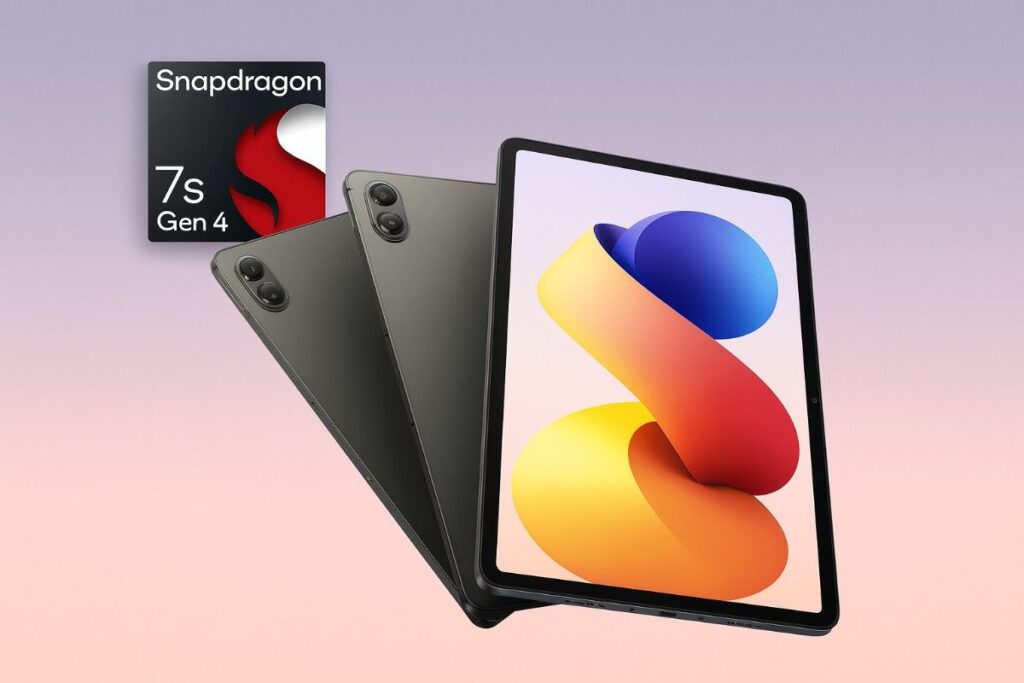
The Redmi Pad 2 Pro aims to close the gap between mid-range price tags and flagship behaviour, delivering a large, high-refresh display, a very big battery and a modern Snapdragon chip on paper, a bold bargain. Redmi Pad 2 Pro Key Highlights Flagship-like Display & Build: 12.1-inch 2.5K 120Hz panel with Dolby Vision support and a premium aluminium design that feels more high-end than its price suggests. Strong Everyday Performance: Powered by Snapdragon 7s Gen 4 with up to 8GB RAM and 256GB storage, delivering smooth multitasking, streaming, and gaming performance. Massive Battery Life: 12,000mAh cell with 33W charging easily lasts multiple days of use, backed by quad speakers with Dolby Atmos for immersive entertainment. Redmi Pad 2 Pro Display, Performance, and Battery Xiaomi’s hardware choices are the story here. The Pad 2 Pro ships with a 12.1-inch 2.5K LCD that supports up to 120 Hz and claims high peak brightness and Dolby Vision certification specs that usually live on pricier slates and instantly lift the experience for streaming, reading and smooth UI motion. The chassis feels weighty in a reassuring way (around 610 g) and the fit and finish lean closer to premium than “cheap plastic,” which helps sell the idea that this is more than a compromise device. Performance punches above the segment average thanks to Qualcomm’s Snapdragon 7s Gen 4 in the global SKU. Day-to-day use app switching, video playback, web browsing and multitasking feels fluid, and lighter games run well without thermal drama. It’s not a flagship silicon contender for sustained 3D workloads, but for most users the combination of a capable SoC and 6–8 GB of RAM (with up to 256 GB onboard and expandable storage) means performance matches the “feel flagship” promise in everyday scenarios Battery life is a clear differentiator. Xiaomi outfits the tablet with a 12,000 mAh cell and 33 W wired charging numbers that translate into multi-day casual use or reliably long single-charge sessions for heavy media consumption. Xiaomi’s own claims include double-digit hours of continuous video playback and multi-day music standby, which align with real-world impressions: long movie binging and extended reading sessions without constant recharging. The trade-off is charging speed; full refills take longer than the fastest flagships, but the size of the tank makes that forgivable for the target buyer. Redmi Pad 2 Pro Audio, Software, and Verdict Audio, IO and extras push the tablet further into “premium-leaning” territory. A quad-speaker setup with Dolby Atmos support gives the Pad 2 Pro strong stereo presence for films and games; Xiaomi also preserves a micro-SD slot (expandable up to large capacities) and a useful accessory ecosystem that includes a stylus and keyboard folio helpful if you want productivity use without buying a high-end convertible. Camera hardware remains basic (8 MP front and rear) fine for video calls but not a selling point which keeps the device honest about where it focuses engineering resources. Software is HyperOS over Android, with tablet-friendly tweaks and Xiaomi’s cross-device features that make the tablet more useful inside a Xiaomi ecosystem. The skin is smoother than earlier iterations, but some rough edges remain in optimized tablet apps and pen latency for pro artists reviewers note the stylus is competent for notes and light sketches but not yet a Pro-level drawing tool. For most buyers, the software adds convenience rather than becoming a reason to buy. The Redmi Pad 2 Pro is a smart, focused effort to deliver flagship feel where it matters screen, sound, endurance and everyday snappiness while trimming corners that won’t matter to most users (cameras, top-tier raw GPU muscle). If your use is media consumption, light productivity, schooling or family tablet duty, this is one of the best value plays in 2025; if you need pro creative apps or the fastest sustained gaming, look to pricier flagships. In short: Xiaomi didn’t fake flagship polish it chose where to spend the budget, and that choice pays off for most people.

Redmi Pad 2 Pro Review: How Xiaomi Made a Budget Tablet Feel Flagship Read More »

Galaxy Watch 8 Can Now Track Skin Temperature, Blood Oxygen & Stress, All at Once (You’ll Be Shocked How Accurate It Is)

Galaxy-Watch-8

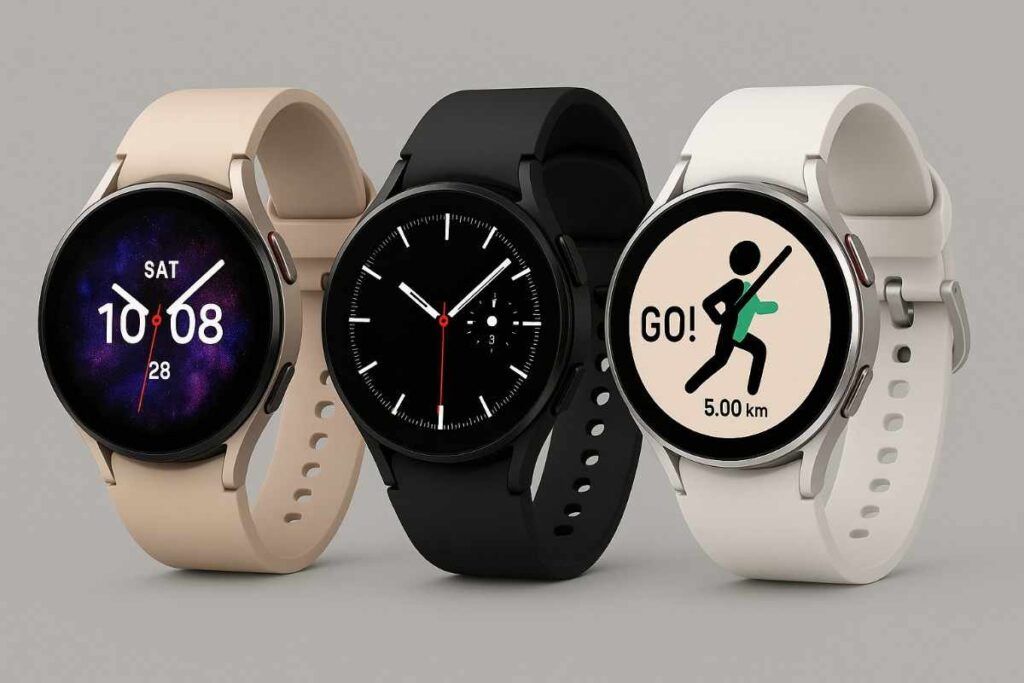
Samsung’s Galaxy Watch 8 packs an upgraded health stack that promises to turn your wrist into a continuous wellness sensor tracking skin temperature, blood oxygen and stress all from the same wearable. Here’s what it does, how it measures those signals, and what it realistically means for users. Galaxy Watch 8 Key Highlights Advanced Health Tracking: Monitors skin temperature, blood oxygen, and stress simultaneously for deeper wellness insights. AI-Powered Precision: Smarter algorithms enhance sleep analysis, recovery tracking, and stress detection accuracy. Everyday Wellness Focus: Built to guide healthier habits not diagnose, but help you understand your body better. Galaxy Watch 8 Health Features & BioActive Sensor Upgrades Samsung consolidated several health tools into a tighter package for the Watch 8. The device uses Samsung’s BioActive sensor array to capture heart rate, SpO₂ (blood oxygen), skin temperature and body composition data, while stress tracking draws on heart-rate variability and algorithmic analysis inside Samsung Health. Some outlets also note Samsung experimenting with antioxidant-level testing and new “vascular load” metrics as part of the broader wellness feature set. Galaxy Watch 8 Sensor Accuracy: How Reliable Are Its Health Metrics? Each metric arrives by a different method and with different caveats. Skin temperature is read by an infrared sensor aimed at the wrist surface useful for trend detection (for example, night-to-night changes) but not the same as an oral or tympanic body temperature reading. SpO₂ is estimated optically, using photoplethysmography (PPG) like most wrist wearables; it’s generally reliable for spot checks and sleep monitoring, though results can vary with fit, motion and skin tone. Stress scores are computed from heart-rate variability and contextual signals; they’re a proxy for autonomic load rather than a diagnostic readout of mental health. Samsung’s own support notes conditions that affect accuracy tightness, sensor cleanliness and wear time matter and reviewers stress that wrist sensors are best for trends, not clinical precision. Galaxy Watch 8: Smarter Health Insights, Not a Medical Device For most users the Watch 8’s gain is contextual insight: better sleep scoring that includes temperature changes, nocturnal SpO₂ trends that flag possible sleep-disordered breathing for follow-up, and stress/recovery signals that help shape training and rest. Those are practical gains if you treat the watch as an early-warning and lifestyle tool. But experts and Samsung alike caution that these features are wellness aids, not medical diagnostics abnormal results should prompt confirmation with clinical tests or a doctor. Use the Watch 8 as an advanced personal tracker that elevates daily health awareness while stopping short of medical claims. The Galaxy Watch 8’s ability to monitor skin temperature, SpO₂ and stress together is a meaningful step for consumer wearables: it improves the signal you get about sleep and recovery and makes daily health patterns easier to spot. Just keep the expectations realistic use the watch to inform behaviour and conversations with clinicians, not as a substitute for one.

Galaxy Watch 8 Can Now Track Skin Temperature, Blood Oxygen & Stress, All at Once (You’ll Be Shocked How Accurate It Is) Read More »

Snapdragon 8 Elite Gen 5 vs Dimensity 9500 vs Apple A19 Pro 2025 Flagship Chipset Comparison

Snapdragon-8-Elite-Gen-5-vs-Dimensity-9500-vs-Apple-A19-Pro

Qualcomm’s Snapdragon 8 Elite Gen 5, MediaTek’s Dimensity 9500, and Apple’s A19 Pro. All three jump to advanced 3 nm nodes, pack heavier AI blocks, and promise desktop-like gaming. Here’s the clean, no-fluff breakdown and where each one actually wins. Snapdragon 8 Elite Gen 5 vs Dimensity 9500 vs Apple A19 Pro Quick Highlights Qualcomm’s Snapdragon 8 Elite Gen 5, MediaTek’s Dimensity 9500, and Apple’s A19 Pro are built on 3 nm nodes, though only MediaTek and Apple confirm TSMC’s refined N3P process. Qualcomm, as usual, avoids naming its exact variant but sits in the same efficiency class. On the CPU front, Qualcomm leads with its new third-generation Oryon architecture, clocking up to 4.6 GHz and claiming 20% higher performance with 35% better efficiency over its predecessor. MediaTek pushes a different strategy an “All Big Core” layout featuring one C1-Ultra core at 4.21 GHz, three C1-Premium, and four C1-Pro cores. It’s tuned for high sustained performance across all threads rather than relying on small efficiency cores. Apple’s A19 Pro keeps its traditional 6-core mix (2 performance + 4 efficiency) but backs it with major thermal upgrades via a new vapor-chamber design, giving the iPhone a rare sustained-load edge this year. For graphics, Qualcomm’s new Adreno GPU delivers roughly 20–27% better performance than last gen, complete with full hardware-level ray tracing. MediaTek counters with the Mali-G1 Ultra MC12, advertising 120 FPS ray-traced gaming through its Hyper Engine platform. Apple’s 6-core GPU again flexes custom silicon muscle — Apple claims up to 2× the performance of the A18 Pro in select benchmarks, also featuring hardware RT and GPU-embedded neural accelerators. On the AI side, Qualcomm’s Hexagon NPU brings 37% more speed and efficiency, emphasizing on-device generative AI workloads. MediaTek’s NPU 990 doubles down on LLM token throughput, signaling readiness for real-time AI inference. Apple’s 16-core Neural Engine, meanwhile, ties tightly with GPU-based accelerators, fusing AI and graphics tasks for smoother on-device intelligence. Snapdragon-8-Elite-Gen-5-Specifications Dimensity-9500-Specifications Apple-A19-Pro Apple A19 Pro vs Snapdragon 8 Elite Gen 5 vs Dimensity 9500: GPU, Gaming, and Camera Performance Compared Apple’s A19 Pro GPU delivers a massive 37% boost over A18 Pro, powering stable high-fidelity gaming and superior real-time rendering in optimized titles. Snapdragon 8 Elite Gen 5’s upgraded Adreno brings 25% higher performance and advanced ray tracing, while Dimensity 9500’s Mali-G1 Ultra holds its own at 120 FPS targets with strong efficiency. On imaging, A19 Pro’s deep hardware–software synergy gives unmatched video and computational photography. Snapdragon’s advanced ISP and AI video tools push Android video quality forward, while Dimensity’s Imagiq 1190 enhances 200 MP sensors and HDR stability. Each excels in its own ecosystem Apple for consistency, Qualcomm and MediaTek for flexibility. On-Device AI Power: Snapdragon 8 Elite Gen 5 vs Dimensity 9500 vs Apple A19 Pro Snapdragon 8 Elite Gen 5: A faster Hexagon NPU and memory pathways target bigger local models and multimodal assistants. Qualcomm markets adaptive, on-device personalization and lower gaming latency via AI-optimized Wi-Fi.  Dimensity 9500: NPU 990 improves token/s throughput for Gen-AI (image diffusion upscales, live translation). MediaTek’s recent demos emphasize sustained efficiency so OEMs can keep features on-device without torching battery. Apple A19 Pro: 16-core Neural Engine plus Neural Accelerators in each GPU core; Apple leans into on-device creation (image/video effects, transcription) with tight frameworks and privacy-first defaults. Connectivity, Memory, and Storage Upgrades: Snapdragon 8 Elite Gen 5 vs Dimensity 9500 vs Apple A19 Pro Snapdragon adds the X85 modem and AI-optimized Wi-Fi for lower gaming latency. Dimensity 9500 supports 3GPP Rel-17, Sub-6, carrier aggregation, and UFS 4.1 (4-lane) + LPDDR5X-10667 a throughput win on paper for app loads and asset streaming. A19 Pro specs are tied to iPhone 17 Pro’s platform; Apple doesn’t publish UFS/LPDDR labels, but real-world I/O remains class-leading within iOS. Battery Efficiency and Thermal Performance: Apple A19 Pro vs Snapdragon 8 Elite Gen 5 vs Dimensity 9500 Apple A19 Pro: Apple cites up to 40% better sustained performance in iPhone 17 Pro/Max thanks to the vapor chamber and A19 Pro efficiency good news for long camera or gaming sessions.  Snapdragon 8 Elite Gen 5: Qualcomm claims +35% CPU power efficiency and –20% GPU power at similar performance; expect cooler frames in prolonged 3D loads vs last gen, subject to OEM cooling.  Dimensity 9500: MediaTek emphasizes lower peak power on the ultra core and better MT perf/W vs 9400; phones with modest heat pipes should still maintain high clocks.

Snapdragon 8 Elite Gen 5 vs Dimensity 9500 vs Apple A19 Pro 2025 Flagship Chipset Comparison Read More »

Redmi K90 100W Super Charging Flagship with Snapdragon 8 Elite and Massive 7000mAh Battery

Redmi-K90-100W-Super-Charging

Xiaomi’s Redmi K90 is shaping up to be a power-packed flagship, combining the Snapdragon 8 Elite chipset, a massive 7,000 mAh battery, and blazing 100W fast charging. Designed for performance enthusiasts, the K90 balances speed, endurance, and premium features positioning itself as one of the most capable yet affordable Android flagships of 2025. Redmi K90 Key Highlights Snapdragon 8 Elite Processor: Built for flagship-grade performance with enhanced AI, gaming, and efficiency optimizations. Massive 7,000 mAh Battery: Delivers extended screen time with 100W super-fast charging for quick top-ups. Premium 2K OLED Display: 120Hz refresh rate and HDR10+ support for vivid visuals and smoother interactions. Redmi K90 Performance and Battery The Redmi K90 adopts Qualcomm’s Snapdragon 8 Elite for the main model, which places it in direct contention with current premium Android rivals on CPU and GPU throughput. Xiaomi also appears to target sustained performance with a beefed-up cooling solution and higher RAM options (handy given early benchmark listings showing 12-16 GB configurations). For users who care about raw numbers gaming, AI-assisted features, and multi-tasking the chipset choice is the headline. Battery and charging are the real conversation starters here. Xiaomi’s materials and early teardowns show cells well above the usual mid-range pack various K90 variants are reported with figures between roughly 7,000 mAh and 7,560 mAh and the platform supports 100W wired charging with wireless and reverse-charging options on higher trims. That combination aims to erase the classic trade off between massive capacity and tolerable charge times. Redmi K90 Display, Camera and Price Details The hardware package rounds out in expected flagship fashion: a 6.5 – 6.6-inch OLED panel (near-2K-ish resolution and a 120 Hz refresh rate reported on early spec sheets), a multi-camera array including at least one 50 MP main sensor and a periscope/telephoto on upper trims. “sound by Bose” tuning on some models signals that Xiaomi wants the K90 to be an all-rounder, not just a battery champion. Display peak brightness and camera details will matter for reviewers, but the spec sheet reads like a flagship trimmed for price. The Redmi K90 has officially debuted in China with competitive flagship pricing, marking Xiaomi’s intent to push high-end performance at accessible rates worldwide. The base variant featuring 12GB RAM and 256GB storage is priced at CNY 2,599 (around US $360 / €335), while the 16GB + 512GB configuration costs CNY 3,499 (around US $430 / €400). The top-tier Redmi K90 Pro Max model starts at CNY 3,999 (about US $555 / €515). These prices position the K90 series as an affordable flagship alternative for users seeking top-tier specs including the Snapdragon 8 Elite chipset, a large 7,000 mAh battery, and 100W fast charging without paying premium-brand markups. Xiaomi is expected to roll out the K90 globally under both the Redmi and Poco brands, targeting markets across Asia, Europe, and Latin America where price-to-performance ratios drive buying decisions.

Redmi K90 100W Super Charging Flagship with Snapdragon 8 Elite and Massive 7000mAh Battery Read More »

Realme UI 7 Release Date and Eligible Devices List in India 2025, Check If Your Phone Is Getting It

Realme has started rolling out Realme UI 7 (based on Android 16) and published an open-beta roadmap that names dozens of eligible phones and a phased roll-out schedule. The stable distribution begins in China in November 2025, with India’s open-beta waves covering a large first group in Q4 2025. Realme UI 7 Features and Rollout Details Realme UI 7 brings a visual refresh, smoother animations, AI-driven suggestions and multitasking tweaks atop Android 16. Realme is using a phased approach: flagships and freshly released models lead, followed by mid-range and budget phones over subsequent weeks and months. Realme UI 7 First-Wave Eligible Devices List (Q4 2025) Realme’s roadmap names a first wave of 37 devices for the open-beta rollout in Q4 2025. If your phone is on this list, expect invitations or OTA availability in the open-beta window timing will vary by model and region. The first-wave devices reported by Realme and consolidated by tech outlets are: Realme GT 7 Pro Realme GT 7 Realme GT 7 Dream Edition Realme GT 7T Realme GT 6T Realme GT 6 Realme P3 5G Realme 14T 5G Realme 15 Pro 5G Realme P4 Pro Realme 14 Pro+ 5G Realme P3 Pro 5G Realme P3 Ultra 5G Realme 14 Pro 5G Realme Narzo 80 Pro 5G Realme 15 5G Realme P4 5G Realme 12 Pro+ 5G Realme 12 Pro 5G Realme P1 Pro 5G Realme 13 Pro+ 5G Realme 13 Pro 5G Realme P2 Pro 5G Realme P3x 5G Realme Narzo 80x 5G Realme C75 5G Realme P3 Lite 5G Realme C73 5G Realme Narzo 80 Lite 5G Realme 14x 5G Realme 12 5G Realme Narzo 70x 5G Realme 12x 5G Realme C65 5G Realme Narzo N65 5G Realme C63 5G Realme 13 5G (That set was published as Realme’s first-wave open-beta list and aggregated by multiple outlets.) Realme UI 7 Rollout Timeline and Open Beta Guide Realme UI 7 (based on Android 16) rollout begins in November 2025, starting with flagship GT models in China before expanding to other markets. In India, Realme has confirmed a 37-device Open Beta roadmap scheduled for Q4 2025. Rather than a single global release, the company is using a staged rollout system users will receive invites gradually depending on model and region, and carrier dependencies may further stagger updates. To join the Open Beta, Realme advises users to back up their data and head to Settings → Software Update → three-dot menu → Trial Version/Beta Program to apply. Approval may take time, and installations require at least 5–7 GB of free storage and over 30% battery. Because beta builds can be unstable, Realme recommends installing them on a secondary device when possible. As for rollout certainty, Realme notes that the current roadmap may shift based on ongoing testing and regional performance. Future waves are expected to include additional devices beyond the initial 37. For the most accurate updates, users should follow Realme’s official community channels and regularly check Settings → Software Update on their phone.

Realme UI 7 Release Date and Eligible Devices List in India 2025, Check If Your Phone Is Getting It Read More »

List of Vivo and iQOO Phones Getting 4 Years of Android OS Updates

vivo-x200-cobalt-blue-colour

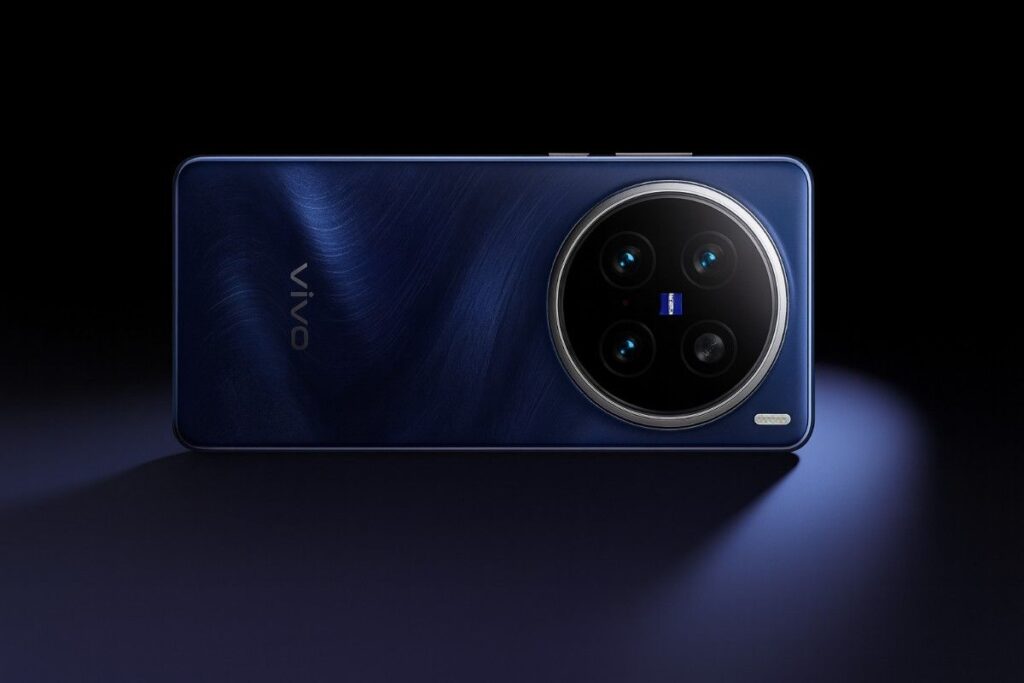
Vivo and its gaming-focused sub-brand iQOO have begun rolling out a clearer OS-support roadmap: select flagship and upper-mid models are now being listed for four major Android OS updates (with varying security-patch commitments depending on model and region). The pledge is part of the company’s Origin OS 6 / Android-16 rollout and is being highlighted in manufacturer timelines and tech outlets covering the November 2025 update waves. Vivo Phones Eligible for 4 Years of Android OS Updates According to the official Origin OS 6 rollout plan and multiple verified reports, the following Vivo smartphones are set to receive four Android OS updates: Vivo X200 Vivo X200 Pro Vivo X200 Ultra Vivo X200 Pro Mini Vivo X200s Vivo X200 FE Vivo X300 Vivo X Fold 5 Vivo X Flip 2 Vivo X Note 2 These devices will start receiving the Android 16-based Origin OS 6 update in batches from November 2025, beginning with China and followed by global variants. iQOO Phones Eligible for 4 Years of Android OS Updates On the iQOO side, the brand has matched Vivo’s update policy for its flagship lineup. These iQOO phones will be eligible for four major Android OS updates and five years of security patches: iQOO 13 (confirmed) iQOO 13 Pro iQOO 12 iQOO 12 Pro iQOO 11S iQOO Neo 9 Pro iQOO Neo 9S The iQOO 13 series will be the first to benefit from this new commitment, shipping with Android 15 out of the box and expected to receive updates up to Android 19. How Vivo and iQOO Compare with Rivals Vivo and iQOO’s decision to offer four major Android OS updates places them squarely in the same league as OnePlus and OPPO, but still behind Samsung and Google when it comes to long-term software support. Samsung remains the clear leader in update longevity. The Galaxy S24 series and newer models are promised up to seven years of Android OS and security updates, setting a benchmark for the industry. Even mid-range Galaxy A-series phones receive at least four OS upgrades. The same number Vivo and iQOO are now offering for their flagship lines. In practice, that means Samsung devices are likely to stay current for nearly twice as long at the premium end, giving them a distinct edge for users who hold onto their phones for five years or more. Google follows closely behind, with its Pixel lineup also guaranteed seven years of OS and security updates. Pixels tend to receive updates faster and more consistently than most Android phones, which further reinforces Google’s software reputation. OnePlus and OPPO, on the other hand, are aligned more closely with Vivo and iQOO. Their latest flagships such as the OnePlus 12 and OPPO Find X7 series, also receive four Android OS updates and five to six years of security patches. That makes these four brands part of a growing group of Chinese manufacturers taking software support more seriously. However, Vivo and iQOO’s advantage lies in their performance-to-price ratio. While Samsung and Google phones with longer support typically sit in higher price brackets, Vivo and iQOO are offering four OS updates on devices that often cost significantly less. For Indian buyers, this balance between affordability and extended longevity is a practical win, especially as most users upgrade every three to four years.

List of Vivo and iQOO Phones Getting 4 Years of Android OS Updates Read More »

Galaxy Tab S11 Ultra Hidden Settings That Boost Performance

Galaxy-Tab-S11-Ultra-Hidden-Settings

Samsung’s Galaxy Tab S11 Ultra is a slab-style productivity tablet with a 14.6-inch AMOLED display, a very large 11,600-mAh battery and an S Pen in the box, hardware designed for long sessions of sketching, DeX multitasking and media work. Galaxy Tab S11 Ultra Hidden settings Start with Device care’s performance profile. Open Samsung’s Settings → Battery and device care → Performance profile and pick the profile that suits you. “Standard” balances everything; switching briefly to a higher performance profile clears CPU throttles for demanding apps, while “Light” saves battery when you don’t need peak speed. Use this deliberately: switch up for video export or gaming, then back to Standard. How to use it: Choose Standard for everyday use. Switch to High performance before gaming, rendering, or multitasking in DeX mode. Return to Standard or Light to save battery when you’re reading or browsing. Turn on Auto-Optimize (Device care → Optimize now → Automation → Auto optimize daily). That single tap closes runaway background apps, clears memory and runs checks automatically; it’s an instant, low-risk tidy-up that keeps the system from accumulating micro-lag over a week. Schedule it overnight to avoid interruptions. Why it matters: This closes background apps and clears temporary cache every day without user input  keeping performance consistent. Use App power management / Background usage limits for apps you don’t want running all the time. Put social apps, streaming services or experimental widgets into “deep sleep” they’ll stop chewing CPU and wake locks in the background. If an app needs background activity, whitelist it explicitly; otherwise, aggressively limiting background behaviour reduces thermal throttling and improves sustained performance. Lower the refresh rate when you don’t need it. The S11 Ultra supports adaptive high refresh rates; switch Settings → Display → Motion smoothness to a lower option (or standard/60Hz) when you’re doing long editing sessions or reading — that saves a lot of battery and reduces heat, which in turn keeps the chipset from down-clocking. Toggle it back for gaming or animation-heavy work. If you use DeX a lot, prefer Extended Mode selectively. DeX extended setups (external monitor + tablet) speed up multitasking but shift the workload to GPU/CPU and can raise temperatures. For true “laptop-replacement” work, use DeX, but if you need long, heavy exports, run them on Standard Android first or plug in a power source to avoid mid-job throttling. Samsung’s recent DeX updates explicitly expand extended monitor workflows; use that feature where it improves windowed multitasking. Tips: Use DeX only when docked or plugged into power for long work sessions. Disable animations from Developer options if multitasking feels sluggish. Tweak S Pen settings to reduce needless redraws and help UI responsiveness. In Samsung Notes and Air Command, disable live preview or high-sampling features you don’t need for casual notes; keep high-sampling only for final sketches. The S Pen tools are powerful, but they can increase background workloads if every stroke is being processed with extras like handwriting recognition in real time. Use Battery protection and the device’s charging limits for longevity and consistent performance. Enabling battery protection (stop charging at 85%) reduces long-term battery wear and prevents heat build-up during top-up cycles useful if you keep the tablet plugged while doing CPU-heavy tasks. This keeps thermal behavior more predictable under load. Clean storage and monitor memory usage regularly. From Device care, use Storage → Unused apps and Memory → Clean now to free up space and RAM; low free storage and persistent caches are classic causes of stutter during multi-app workflows. Scheduling these cleanups (or using Auto-Optimize as noted) keeps the system snappy without manual babysitting. Quick checklist (do these first): set Performance profile when you need speed, enable Auto-Optimize daily, deep-sleep nonessential apps, drop Motion smoothness to 60Hz for long sessions, and avoid prolonged charging while running heavy exports. Those five moves deliver the biggest real-world uplift without sacrificing features you actually want.

Galaxy Tab S11 Ultra Hidden Settings That Boost Performance Read More »

At Express Coverage 24, we bring you the latest in technology, gadgets, and digital trends all in one place. From in depth reviews and expert insights to breaking tech news, our goal is to keep you informed and ahead in the fast moving world of innovation. Whether you are a tech enthusiast or just curious about the next big thing, we deliver reliable, easy to read articles that matter.

Content Transparency

At Express Coverage 24, we value honesty, accuracy, and trust. Every article, review, and news update published on our platform is created with thorough research and a commitment to providing reliable information. We do not promote products or technologies without careful evaluation, and whenever opinions are shared, they are clearly marked as such. Our mission is to keep our readers informed with unbiased, fact-based content while being transparent about our sources, partnerships, and review processes.