IMDAD

Snapdragon 8 Elite Gen 5 vs Dimensity 9500 vs Apple A19 Pro 2025 Flagship Chipset Comparison

Snapdragon-8-Elite-Gen-5-vs-Dimensity-9500-vs-Apple-A19-Pro

Qualcomm’s Snapdragon 8 Elite Gen 5, MediaTek’s Dimensity 9500, and Apple’s A19 Pro. All three jump to advanced 3 nm nodes, pack heavier AI blocks, and promise desktop-like gaming. Here’s the clean, no-fluff breakdown and where each one actually wins. Snapdragon 8 Elite Gen 5 vs Dimensity 9500 vs Apple A19 Pro Quick Highlights Qualcomm’s Snapdragon 8 Elite Gen 5, MediaTek’s Dimensity 9500, and Apple’s A19 Pro are built on 3 nm nodes, though only MediaTek and Apple confirm TSMC’s refined N3P process. Qualcomm, as usual, avoids naming its exact variant but sits in the same efficiency class. On the CPU front, Qualcomm leads with its new third-generation Oryon architecture, clocking up to 4.6 GHz and claiming 20% higher performance with 35% better efficiency over its predecessor. MediaTek pushes a different strategy an “All Big Core” layout featuring one C1-Ultra core at 4.21 GHz, three C1-Premium, and four C1-Pro cores. It’s tuned for high sustained performance across all threads rather than relying on small efficiency cores. Apple’s A19 Pro keeps its traditional 6-core mix (2 performance + 4 efficiency) but backs it with major thermal upgrades via a new vapor-chamber design, giving the iPhone a rare sustained-load edge this year. For graphics, Qualcomm’s new Adreno GPU delivers roughly 20–27% better performance than last gen, complete with full hardware-level ray tracing. MediaTek counters with the Mali-G1 Ultra MC12, advertising 120 FPS ray-traced gaming through its Hyper Engine platform. Apple’s 6-core GPU again flexes custom silicon muscle — Apple claims up to 2× the performance of the A18 Pro in select benchmarks, also featuring hardware RT and GPU-embedded neural accelerators. On the AI side, Qualcomm’s Hexagon NPU brings 37% more speed and efficiency, emphasizing on-device generative AI workloads. MediaTek’s NPU 990 doubles down on LLM token throughput, signaling readiness for real-time AI inference. Apple’s 16-core Neural Engine, meanwhile, ties tightly with GPU-based accelerators, fusing AI and graphics tasks for smoother on-device intelligence. Snapdragon-8-Elite-Gen-5-Specifications Dimensity-9500-Specifications Apple-A19-Pro Apple A19 Pro vs Snapdragon 8 Elite Gen 5 vs Dimensity 9500: GPU, Gaming, and Camera Performance Compared Apple’s A19 Pro GPU delivers a massive 37% boost over A18 Pro, powering stable high-fidelity gaming and superior real-time rendering in optimized titles. Snapdragon 8 Elite Gen 5’s upgraded Adreno brings 25% higher performance and advanced ray tracing, while Dimensity 9500’s Mali-G1 Ultra holds its own at 120 FPS targets with strong efficiency. On imaging, A19 Pro’s deep hardware–software synergy gives unmatched video and computational photography. Snapdragon’s advanced ISP and AI video tools push Android video quality forward, while Dimensity’s Imagiq 1190 enhances 200 MP sensors and HDR stability. Each excels in its own ecosystem Apple for consistency, Qualcomm and MediaTek for flexibility. On-Device AI Power: Snapdragon 8 Elite Gen 5 vs Dimensity 9500 vs Apple A19 Pro Snapdragon 8 Elite Gen 5: A faster Hexagon NPU and memory pathways target bigger local models and multimodal assistants. Qualcomm markets adaptive, on-device personalization and lower gaming latency via AI-optimized Wi-Fi.  Dimensity 9500: NPU 990 improves token/s throughput for Gen-AI (image diffusion upscales, live translation). MediaTek’s recent demos emphasize sustained efficiency so OEMs can keep features on-device without torching battery. Apple A19 Pro: 16-core Neural Engine plus Neural Accelerators in each GPU core; Apple leans into on-device creation (image/video effects, transcription) with tight frameworks and privacy-first defaults. Connectivity, Memory, and Storage Upgrades: Snapdragon 8 Elite Gen 5 vs Dimensity 9500 vs Apple A19 Pro Snapdragon adds the X85 modem and AI-optimized Wi-Fi for lower gaming latency. Dimensity 9500 supports 3GPP Rel-17, Sub-6, carrier aggregation, and UFS 4.1 (4-lane) + LPDDR5X-10667 a throughput win on paper for app loads and asset streaming. A19 Pro specs are tied to iPhone 17 Pro’s platform; Apple doesn’t publish UFS/LPDDR labels, but real-world I/O remains class-leading within iOS. Battery Efficiency and Thermal Performance: Apple A19 Pro vs Snapdragon 8 Elite Gen 5 vs Dimensity 9500 Apple A19 Pro: Apple cites up to 40% better sustained performance in iPhone 17 Pro/Max thanks to the vapor chamber and A19 Pro efficiency good news for long camera or gaming sessions.  Snapdragon 8 Elite Gen 5: Qualcomm claims +35% CPU power efficiency and –20% GPU power at similar performance; expect cooler frames in prolonged 3D loads vs last gen, subject to OEM cooling.  Dimensity 9500: MediaTek emphasizes lower peak power on the ultra core and better MT perf/W vs 9400; phones with modest heat pipes should still maintain high clocks.

Snapdragon 8 Elite Gen 5 vs Dimensity 9500 vs Apple A19 Pro 2025 Flagship Chipset Comparison Read More »

Redmi K90 100W Super Charging Flagship with Snapdragon 8 Elite and Massive 7000mAh Battery

Redmi-K90-100W-Super-Charging

Xiaomi’s Redmi K90 is shaping up to be a power-packed flagship, combining the Snapdragon 8 Elite chipset, a massive 7,000 mAh battery, and blazing 100W fast charging. Designed for performance enthusiasts, the K90 balances speed, endurance, and premium features positioning itself as one of the most capable yet affordable Android flagships of 2025. Redmi K90 Key Highlights Snapdragon 8 Elite Processor: Built for flagship-grade performance with enhanced AI, gaming, and efficiency optimizations. Massive 7,000 mAh Battery: Delivers extended screen time with 100W super-fast charging for quick top-ups. Premium 2K OLED Display: 120Hz refresh rate and HDR10+ support for vivid visuals and smoother interactions. Redmi K90 Performance and Battery The Redmi K90 adopts Qualcomm’s Snapdragon 8 Elite for the main model, which places it in direct contention with current premium Android rivals on CPU and GPU throughput. Xiaomi also appears to target sustained performance with a beefed-up cooling solution and higher RAM options (handy given early benchmark listings showing 12-16 GB configurations). For users who care about raw numbers gaming, AI-assisted features, and multi-tasking the chipset choice is the headline. Battery and charging are the real conversation starters here. Xiaomi’s materials and early teardowns show cells well above the usual mid-range pack various K90 variants are reported with figures between roughly 7,000 mAh and 7,560 mAh and the platform supports 100W wired charging with wireless and reverse-charging options on higher trims. That combination aims to erase the classic trade off between massive capacity and tolerable charge times. Redmi K90 Display, Camera and Price Details The hardware package rounds out in expected flagship fashion: a 6.5 – 6.6-inch OLED panel (near-2K-ish resolution and a 120 Hz refresh rate reported on early spec sheets), a multi-camera array including at least one 50 MP main sensor and a periscope/telephoto on upper trims. “sound by Bose” tuning on some models signals that Xiaomi wants the K90 to be an all-rounder, not just a battery champion. Display peak brightness and camera details will matter for reviewers, but the spec sheet reads like a flagship trimmed for price. The Redmi K90 has officially debuted in China with competitive flagship pricing, marking Xiaomi’s intent to push high-end performance at accessible rates worldwide. The base variant featuring 12GB RAM and 256GB storage is priced at CNY 2,599 (around US $360 / €335), while the 16GB + 512GB configuration costs CNY 3,499 (around US $430 / €400). The top-tier Redmi K90 Pro Max model starts at CNY 3,999 (about US $555 / €515). These prices position the K90 series as an affordable flagship alternative for users seeking top-tier specs including the Snapdragon 8 Elite chipset, a large 7,000 mAh battery, and 100W fast charging without paying premium-brand markups. Xiaomi is expected to roll out the K90 globally under both the Redmi and Poco brands, targeting markets across Asia, Europe, and Latin America where price-to-performance ratios drive buying decisions.

Redmi K90 100W Super Charging Flagship with Snapdragon 8 Elite and Massive 7000mAh Battery Read More »

Vivo X300 with Dimensity 9500 and 200MP Zeiss Camera Launching in November 2025

Vivo-X300-Leaked-Image

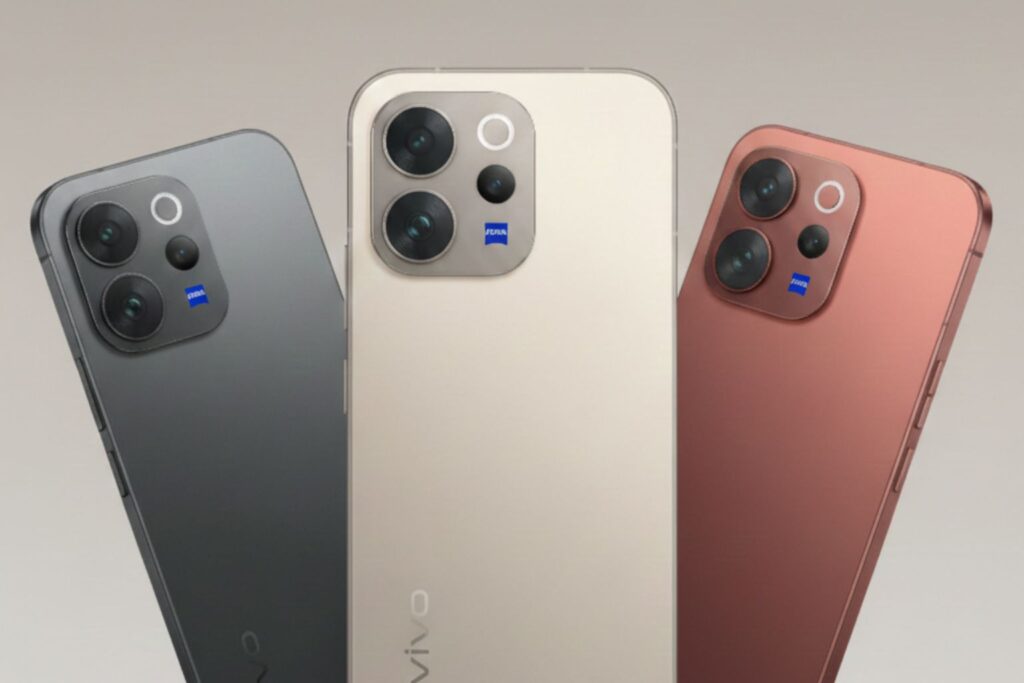
Vivo is gearing up for another flagship release with the Vivo X300, a compact yet powerful device that’s expected to arrive in India by November 2025. Positioned as the smaller sibling of the X300 Pro, this phone aims to deliver top-tier performance, camera innovation, and premium design all in a more pocket-friendly form factor. With a 200MP Zeiss camera, MediaTek Dimensity 9500 processor, and 6.31-inch LTPO AMOLED display, the X300 looks ready to challenge even the biggest flagships from Samsung, OnePlus, and Xiaomi. Vivo X300 Full Specifications: AI-Powered Camera, Display, and Performance The Vivo X300 runs on Origin OS 6, built over Android 16, bringing system-wide AI enhancements and deeper integration with Vivo’s imaging engine. The device features a 6.31-inch LTPO AMOLED display with a crisp 1.5K resolution (2640×1216 pixels) and a 120Hz adaptive refresh rate for fluid animations and scrolling. Storage options are generous users can choose between 12GB or 16GB LPDDR5X RAM and 256GB or 512GB of UFS 4.0 storage, ensuring both speed and endurance for multitasking and gaming. The phone supports dual SIM 5G, Wi-Fi 7, and Bluetooth 5.4, confirming its flagship credentials. Vivo also includes an ultrasonic in-display fingerprint sensor, IP68-rated dust and water resistance, and stereo speakers tuned for balanced audio output. The main attraction of the X300 is its 200MP Zeiss primary camera, which uses advanced optical stabilization and AI-assisted image processing for crystal-clear detail. The triple-camera setup also includes a 50MP ultra-wide lens and a 50MP telephoto lens capable of up to 4.3x optical zoom. The Zeiss partnership continues to be a highlight in Vivo’s flagship line up. Features like Zeiss Natural Colour 3.0, AI Night Mode, and T lens coating* ensure realistic tones and reduced lens flare. Vivo’s V3+ imaging chip further boosts HDR video and portrait capture quality, giving creators and mobile photographers more control over image tuning. On the front, the X300 houses a 50MP selfie camera with autofocus, capable of recording 4K video and delivering excellent dynamic range ideal for vloggers and streamers who value image clarity. Vivo X300 Processor and Battery Details At its core, the MediaTek Dimensity 9500 drives the X300 a 4nm flagship chipset built for raw performance and sustained efficiency. It’s paired with an ARM Cortex-X4 Prime core, offering processing speeds up to 3.35GHz, and a next-gen Immortalis-G720 GPU for graphics-intensive tasks. Benchmarks place the Dimensity 9500 close to Qualcomm’s Snapdragon 8s Gen 3, but with slightly better thermal stability under long gaming sessions. Combined with Vivo’s cooling system and the Vivo AI Engine, the X300 promises consistent frame rates in gaming and smooth multitasking even during extended use. Powering the phone is a 6,000mAh battery, a notable feat given its compact frame. It supports 90W fast charging and 40W wireless charging, capable of recharging from 0% to 50% in around 15 minutes. Vivo also includes intelligent charging management to minimize battery wear and maintain efficiency over time. In typical usage moderate gaming, camera use, and browsing users can expect around 1.5 days of battery life, making it a reliable travel companion. Vivo X300 Display and Colour Options The 6.31-inch LTPO OLED panel is one of the most advanced in its class, delivering vibrant colors, deep blacks, and brightness levels up to 2,500 nits. The adaptive refresh rate scales from 1Hz to 120Hz, ensuring smooth performance while conserving power. HDR10+ certification and 10-bit color support make it a joy for streaming, gaming, and editing photos or videos. Vivo is set to launch the X300 in multiple finishes Aurora Silver, Cosmic Black, and Ceramic Blue with a matte glass back and aluminium frame. Some regions may also get a Leather Edition, adding a more premium, textured feel. Each variant carries the signature Zeiss branding near the camera housing, reinforcing its photography focus. The Vivo X300 is shaping up to be a compact flagship that doesn’t compromise on performance or design. With its 200MP Zeiss camera, Dimensity 9500 chip, and premium build, it’s positioned as one of the most balanced Android flagships heading into late 2025.

Vivo X300 with Dimensity 9500 and 200MP Zeiss Camera Launching in November 2025 Read More »

iQOO Pad 5e Budget Android Tablet with Snapdragon 8s Gen 3, 144Hz 2.8K Display and 10,000 mAh Battery Launched

iQOO-Pad-5e-Official-Image

iQOO has once again entered the Android tablet market with the launch of the iQOO Pad 5e. This device is designed for users who want flagship-grade power at a budget price. Designed with gamers, creators, and productivity enthusiasts in mind, the Pad 5e features Qualcomm’s Snapdragon 8s Gen 3 processor, a 144Hz 2.8K display, and a large 10,000 mAh battery. It is positioned as a value-packed performance tablet that aims to balance excellent speed and long-lasting performance. iQOO Pad 5e Key Highlights Flagship-level Performance: Powered by the Snapdragon 8s Gen 3 processor, the iQOO Pad 5e delivers smooth multitasking, fast app launches, and efficient power management. Immersive 12.1-inch 2.8K 144 Hz Display: Experience ultra-smooth visuals and vibrant colors with the 144 Hz high-refresh-rate LCD panel optimized for gaming and media streaming. Massive 10,000 mAh Battery with 44 W Fast Charging: Enjoy all-day use on a single charge, The iQOO Pad 5e battery supports quick top-ups and long-lasting performance for work and play. iQOO Pad 5e Performance, Display, and Gaming Experience The  iQOO Pad 5e comes with  the Snapdragon 8s Gen 3 chipset, a 4nm platform known for its efficiency and flagship-level performance. It bridges the gap between Qualcomm’s premium and mid-range tiers, delivering robust AI capabilities and consistent gaming performance without the high thermal load seen in older chips. With LPDDR5X RAM and UFS 4.1 storage, this tablet handles multitasking, video editing, and graphics-heavy games with ease. Initial benchmarks indicate performance levels close to last year’s flagship tablets, while remaining cool even under prolonged loads thanks to iQOO’s advanced vapor chamber cooling system. The Pad 5e’s 12.1-inch 2.8K LCD display supports a 144 Hz refresh rate and a 240 Hz touch sampling rate, making it one of the smoothest panels in its class. Whether gaming, sketching, or scrolling through social feeds, response is immediate. The screen covers a wide colour gamut and offers high brightness for outdoor readability. Despite using LCD instead of OLED, colour accuracy and contrast are impressively tuned. Features like DC dimming and Eye-Comfort Mode reduce flicker and blue light strain, making it more comfortable for long viewing periods. iQOO Pad 5e Battery Life, Camera Quality, Audio Performance, and Software Features Battery life is another area where the iQOO Pad 5e impresses. Its 10,000 mAh battery supports long periods of mixed use from productivity apps to gaming and streaming without worrying about frequent recharging. The tablet supports 44W fast charging, which, based on internal tests, charges it from 0 to 50% in approximately 45 minutes. With the power efficiency of the Snapdragon 8s Gen 3, users can expect over 12 hours of screen-on time in balanced mode. This setup makes the Pad 5e a reliable daily driver for both entertainment and work on the go. The camera setup remains practical: an 8MP rear sensor and a 5MP front sensor, primarily designed for video calls and document scans. The real highlight here is the audio. The quad-speaker system with Hi-Res Audio certification provides excellent stereo output, especially in landscape orientation. iQOO also supports its detachable keyboard and stylus accessories, making this tablet a lightweight productivity hub for students and professionals. Running Android 15 with iQOO’s Origin OS 3, this tablet offers multitasking tools like split-screen, floating windows, and seamless phone-to-tablet sync. Users can drag files or photos directly between devices, which largely mimics the cross-device functionality seen on Apple’s iPad ecosystem. Security patches and system updates are promised for at least three years, giving the tablet a good lifespan in the Android line up. iQOO Pad 5e Price in India, Competition, and Final Verdict The iQOO Pad 5e launched in China in October 2025 and is expected to arrive in India soon. Early listings indicate a starting price of around ₹29,999 for the 8GB RAM/128GB storage variant. Higher trims with 12GB RAM and 256GB storage could cost upwards of ₹34,999. Its main competitors in this range are the Xiaomi Pad 6, OnePlus Pad Go, and Lenovo Tab P12. The iQOO Pad 5e outperforms most in terms of raw processing speed and refresh rate, though competitors may excel in OLED quality and stylus precision. The iQOO Pad 5e manages to combine premium-grade performance, a crisp 144Hz display, and a large battery all within a mid-range budget. It’s not trying to redefine tablets, but rather delivers practical power where it matters most: performance, endurance, and a seamless user experience. For users looking for a powerful Android tablet that won’t burn a hole in their pockets, the iQOO Pad 5e looks like one of the smartest choices in this segment in 2025.

iQOO Pad 5e Budget Android Tablet with Snapdragon 8s Gen 3, 144Hz 2.8K Display and 10,000 mAh Battery Launched Read More »

Samsung Galaxy S26 Ultra February 2026 Launch: Exynos 2600 / Snapdragon 8 Elite & Early Leaked Images Revealed

Samsung-Galaxy-S26-Ultra-Leaked-Image

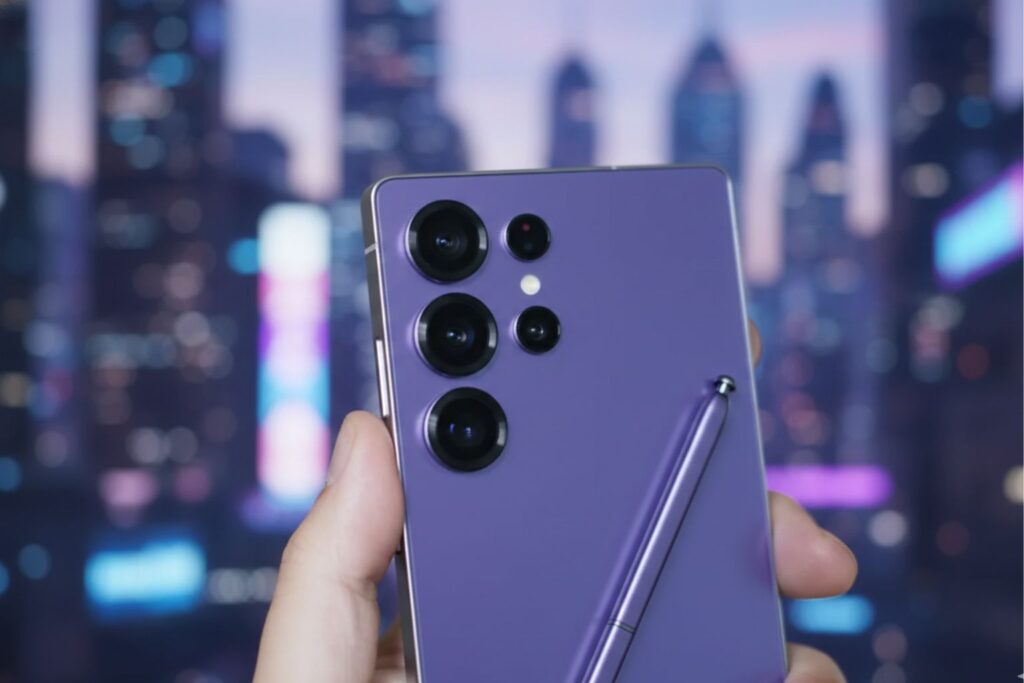
Samsung’s next flagship, the Galaxy S26 Ultra, is shaping up to be one of the most anticipated Android phones of 2026. According to industry insiders and leak trackers, Samsung is expected to unveil the device at its Galaxy Unpacked event in February 2026, following the brand’s usual launch window. With weeks still to go, the tech community has already seen a steady stream of renders, hands-on photos, and specification leaks that hint at meaningful refinements rather than radical reinvention. Galaxy S26 Ultra Design, Display and Chipset Leaks Explained Early leaked images suggest a polished yet familiar design. The Galaxy S26 Ultra appears to maintain the squared edges and integrated S-Pen slot but now features a more subtle curvature along the sides for improved grip. The rear camera module has reportedly been redesigned to sit flusher with the back panel, creating a cleaner, more symmetrical layout. Leaks also mention new colour finishes. Possibly Titanium Grey, Emerald Green, and Midnight Blue with a matte glass texture for better smudge resistance. Samsung seems ready to continue its dual-chip strategy. Depending on the region, the Galaxy S26 Ultra will ship with either the Exynos 2600 or Qualcomm Snapdragon 8 Elite Gen 5 processor. The Exynos 2600 is rumoured to be built on Samsung’s 2nm GAA architecture, focusing on AI acceleration and power efficiency, while the Snapdragon variant likely reserved for markets like the U.S. and China  emphasizes raw GPU power and thermal management. Benchmark leaks suggest the performance gap between the two chips is narrowing this generation, with both capable of handling heavy multitasking, gaming, and on-device AI workloads smoothly. In terms of display, the Ultra is expected to feature a 6.9-inch Dynamic AMOLED 2X panel with QHD+ resolution and a refresh rate of up to 120Hz. Peak brightness is rumored to reach nearly 3000 nits, a jump that would make it one of the brightest smartphone screens on the market. Samsung’s latest display tuning could also improve outdoor readability and HDR playback while consuming less power thanks to the 2nm chip’s efficiency. Galaxy S26 Ultra Camera, Battery and AI Features Leaked Ahead of Launch The camera system continues to be a central selling point. Leaks indicate a 200MP primary sensor paired with upgraded telephoto and ultra-wide lenses, improving colour accuracy, night photography, and long-distance zoom stability. Rumours suggest a new AI-based image engine is in play, merging frames from multiple sensors for sharper detail and balanced exposure in complex lighting. Samsung’s recent focus on AI image enhancement means users can expect faster post-processing and better portrait recognition straight from the gallery app. Powering it all will likely be a 5,000 to 5,400 mAh battery with 45W fast charging and 15W wireless charging. While the numbers might look similar to the S25 Ultra, internal efficiency upgrades could deliver longer on-screen time. The device is expected to ship with One UI 8 based on Android 16, introducing smarter Galaxy AI features like real-time translation, AI note summarization, and generative photo editing directly integrated into system apps. If all leaks align with the final product, the Galaxy S26 Ultra will represent Samsung’s refined vision of a productivity-driven flagship combining powerful performance, advanced AI, and a sleeker industrial design. With its February 2026 launch approaching, tech enthusiasts won’t have to wait long to see if Samsung’s most ambitious Ultra yet can hold its ground against rivals like the iPhone 17 Pro Max and Google Pixel 10 Pro.

Samsung Galaxy S26 Ultra February 2026 Launch: Exynos 2600 / Snapdragon 8 Elite & Early Leaked Images Revealed Read More »

Realme UI 7 Release Date and Eligible Devices List in India 2025, Check If Your Phone Is Getting It

Realme has started rolling out Realme UI 7 (based on Android 16) and published an open-beta roadmap that names dozens of eligible phones and a phased roll-out schedule. The stable distribution begins in China in November 2025, with India’s open-beta waves covering a large first group in Q4 2025. Realme UI 7 Features and Rollout Details Realme UI 7 brings a visual refresh, smoother animations, AI-driven suggestions and multitasking tweaks atop Android 16. Realme is using a phased approach: flagships and freshly released models lead, followed by mid-range and budget phones over subsequent weeks and months. Realme UI 7 First-Wave Eligible Devices List (Q4 2025) Realme’s roadmap names a first wave of 37 devices for the open-beta rollout in Q4 2025. If your phone is on this list, expect invitations or OTA availability in the open-beta window timing will vary by model and region. The first-wave devices reported by Realme and consolidated by tech outlets are: Realme GT 7 Pro Realme GT 7 Realme GT 7 Dream Edition Realme GT 7T Realme GT 6T Realme GT 6 Realme P3 5G Realme 14T 5G Realme 15 Pro 5G Realme P4 Pro Realme 14 Pro+ 5G Realme P3 Pro 5G Realme P3 Ultra 5G Realme 14 Pro 5G Realme Narzo 80 Pro 5G Realme 15 5G Realme P4 5G Realme 12 Pro+ 5G Realme 12 Pro 5G Realme P1 Pro 5G Realme 13 Pro+ 5G Realme 13 Pro 5G Realme P2 Pro 5G Realme P3x 5G Realme Narzo 80x 5G Realme C75 5G Realme P3 Lite 5G Realme C73 5G Realme Narzo 80 Lite 5G Realme 14x 5G Realme 12 5G Realme Narzo 70x 5G Realme 12x 5G Realme C65 5G Realme Narzo N65 5G Realme C63 5G Realme 13 5G (That set was published as Realme’s first-wave open-beta list and aggregated by multiple outlets.) Realme UI 7 Rollout Timeline and Open Beta Guide Realme UI 7 (based on Android 16) rollout begins in November 2025, starting with flagship GT models in China before expanding to other markets. In India, Realme has confirmed a 37-device Open Beta roadmap scheduled for Q4 2025. Rather than a single global release, the company is using a staged rollout system users will receive invites gradually depending on model and region, and carrier dependencies may further stagger updates. To join the Open Beta, Realme advises users to back up their data and head to Settings → Software Update → three-dot menu → Trial Version/Beta Program to apply. Approval may take time, and installations require at least 5–7 GB of free storage and over 30% battery. Because beta builds can be unstable, Realme recommends installing them on a secondary device when possible. As for rollout certainty, Realme notes that the current roadmap may shift based on ongoing testing and regional performance. Future waves are expected to include additional devices beyond the initial 37. For the most accurate updates, users should follow Realme’s official community channels and regularly check Settings → Software Update on their phone.

Realme UI 7 Release Date and Eligible Devices List in India 2025, Check If Your Phone Is Getting It Read More »

iQOO Neo 11 Launching on October 30, Snapdragon 8 Elite Chip, 7,500 mAh Battery, 144 Hz Display & Four Colours

iQOO-Neo-11-Leaked-Image

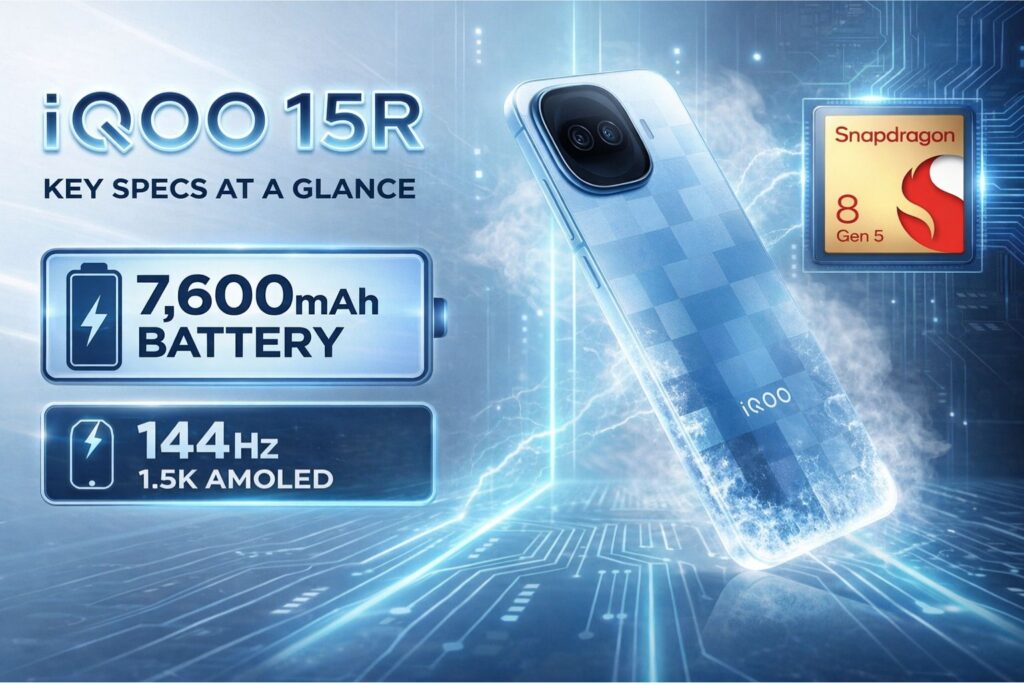
iQOO has confirmed the Neo 11 will launch in China on October 30, 2025, positioning the phone as a performance-oriented mid-premium model aimed at gamers and power users. iQOO Neo 11 Highlights Launch & Design: iQOO Neo 11 officially launching on October 30, 2025, featuring a sleek build with black, blue, orange, and silver colour options and a sturdy metal frame. Performance & Display: Powered by Snapdragon 8 Elite, paired with LPDDR5X RAM, UFS 4.x storage, and a 6.8-inch 2K 144 Hz BOE OLED panel with LTPO efficiency and 3D ultrasonic fingerprint support. Battery, Camera & Pricing: Equipped with a 7,500 mAh battery, 100 W fast charging, and a 50 MP OIS main camera; expected price around ₹34,990 in India (to be confirmed). iQOO Neo 11 Specs Leak: Snapdragon 8 Elite, 7500mAh Battery The Neo 11 is reported to run on Qualcomm’s Snapdragon 8 Elite platform, paired with LPDDR5X RAM and UFS 4.x storage; leaked configuration details point to high-memory options and iQOO’s Extended RAM/virtual RAM features that can push usable memory figures into the 20s (for example, 16GB physical + extended RAM to emulate 24GB). The display is a headline spec: expect a 6.8-inch 2K BOE Q10+ OLED panel with an anti-reflection film and a 144 Hz refresh rate, tuned for both peak visual clarity and fast touch response. The screen rumours also include 3D ultrasonic fingerprint support and LTPO-class efficiency features that should help balance battery life with the high refresh rate. Battery capacity is unusually large for the segment  iQOO has confirmed a 7,500 mAh cell for the Neo 11, with reports indicating 100 W wired fast charging. That combination aims to deliver multi-day endurance under moderate use while still enabling rapid top-ups for heavy users. iQOO Neo 11 Design, Camera, Colours, and Expected Price Leaked Ahead of Launch Photography hardware centres on a 50 MP primary sensor with OIS backed by at least one auxiliary sensor for ultra-wide shots; front-facing camera leaks put the selfie shooter at roughly 32 MP. Early hands-on and leak coverage suggest capable main-camera hardware, though final image quality will depend on tuning and software processing once review units arrive. Design and colours are part of the pre-launch messaging: the Neo 11 will be offered in black, blue, orange and silver finishes, with some variants using textured or angle-shifting surfaces rather than plain gloss. Reports also point to increased durability credentials, with leaks mentioning IP-rated water and dust protection and a metal frame in the construction. On software the phone is expected to ship with Origin OS 6 based on Android 16, carrying iQOO’s performance and gaming optimisations out of the box. Storage and RAM tiers reported by leakers and pre-listings include high-capacity options (typical top trims referenced across outlets run to 24 GB of usable RAM via Extended RAM and up to 1 TB of UFS storage). Pricing has not been confirmed by iQOO; early aggregator listings and market estimates place the Neo 11 in a mid-premium price band (India estimates around ₹34,990 have circulated) but those numbers should be treated as provisional until official pricing is published at launch. Availability outside China is likely to follow later — analysts expect rollout to other markets, including India, after the China debut.

iQOO Neo 11 Launching on October 30, Snapdragon 8 Elite Chip, 7,500 mAh Battery, 144 Hz Display & Four Colours Read More »

Motorola G67 5G Power Mid Range 5G Smartphone with Snapdragon 7s Gen 2 50MP Camera and 6500mAh Battery

motorola-g67-5g-power-snapdragon-7s-gen2-50mp-6500mah

Motorola is preparing to launch the Moto G67 Power 5G, the successor to July’s G86 Power 5G. Leaks and certification listings hint at an imminent release. Geek bench scores (single-core 1,022; multi-core 2,917) suggest mid-range performance. The phone is expected to run Android 15 with Motorola’s Hello UI, as early users may get Google’s latest OS out-of-the-box.  Motorola G67 Power 5G Display, Processor and Performance Details The Moto G67 Power 5G is expected to have a large high-refresh AMOLED screen around the same size as its predecessor’s 6.7 inches. The Motorola G86 Power used a Super-HD 6.7″ AMOLED panel with 120Hz refresh and Gorilla Glass 7i protection. Early leaks say the G67 Power will likely match or slightly exceed that roughly a 6.5″–6.7″ AMOLED display with a high (120Hz) refresh rate. We should also expect modern design touches: slim bezels and a centred punch-hole for the front camera (as on recent Moto G models). Build quality remains unconfirmed, but past G Power phones have offered water resistance and sturdy frames. Geek bench reveals the G67 Power 5G uses Snapdragon 7s Gen 2 (4nm). This octa-core chip has four “big” Kryo cores at 2.40GHz and four efficiency cores at 1.96GHz, along with an Adreno 710 GPU. In Geek bench tests it scored roughly 1,022 (single-core) and 2,917 (multi-core) similar to other mid-range 5G phones. On software, the phone will ship with Android 15 (Hello UI) right away.  Motorola typically keeps a near-stock Android interface on G-series devices, so users can expect a clean Android experience with a few Moto customizations. All told, this points to solid all-around performance for daily use and moderate gaming. Motorola G67 Power 5G Memory, Storage and Camera Details The G67 Power 5G is confirmed to offer 8 GB of RAM in its standard configuration. (Some leaks even hint at a 12 GB variant, but 8 GB is what the Geek bench listing shows.) While Motorola hasn’t said how much storage it will pack, the earlier G86 Power shipped with 128 GB onboard. It’s reasonable to expect a similar base (e.g. 128 GB or more) with microSD support, since the G-series often allows storage expansion. Official camera specs for the G67 Power 5G have not been confirmed. The G86 Power 5G came with a 50 MP main camera, an 8 MP ultrawide, a macro sensor, and a 32 MP selfie camera. Early reports suggest the G67 Power will build on that with an even higher-resolution setup. Motorola’s own teasers promise a “high-resolution camera system”, and unverified leaks talk of a quad-camera array (some claim a 108 MP primary sensor, plus auxiliary 12 MP and 8 MP cameras, and a 32 MP front shooter). Take these numbers with caution until the official launch. In any case, we can expect a multi-lens rear module and a high-megapixel front-facing camera, following the trend of recent Moto G phones. Motorola G67 Power 5G Battery, Charging, Colours, Price and Availability The “Power” in the name implies a very large battery. The G86 Power 5G packed a whopping 6,720 mAh cell with 33W fast charging support.  Early leaks for the G67 Power point to at least a 5,000 mAh battery, and industry chatter even suggests it could be much larger (some sources mention around 7,000 mAh). Techno Sports specifically notes the capacity is likely “5000mAh or higher”. We’ll also likely see fast charging (33W Turbo Power or more) to keep charging times reasonable. Motorola has not yet announced official color options for the G67 Power 5G. However, we can look to past Moto G Power models for clues. The G86 Power 5G launched in July in three eye-catching finishes: Cosmic Sky, Golden Cypress, and Spellbound (all Pantone-certified leather-back colours). It’s reasonable to expect the G67 Power 5G will come in multiple colourways as well possibly new shades or revamped versions of those previous options.  Motorola has not confirmed a launch date, but leaked timelines hint at a late 2025 debut. In India, the G86 Power 5G launched at ₹17,999 (about $220) for the 8GB/128GB model. The G67 Power 5G is expected to be priced in a similar mid-range bracket. Industry leaks suggest a target price around ₹18,000–25,000 in India (roughly $250–$300). Motorola’s U.S. listing for the 2025 Moto G series indicates the base Moto G Power is around $249.99 (8GB), which aligns with the global price range. In summary, the G67 Power 5G should arrive as an affordable mid-range 5G smartphone with flagship-sized battery endurance.

Motorola G67 5G Power Mid Range 5G Smartphone with Snapdragon 7s Gen 2 50MP Camera and 6500mAh Battery Read More »

List of Vivo and iQOO Phones Getting 4 Years of Android OS Updates

vivo-x200-cobalt-blue-colour

Vivo and its gaming-focused sub-brand iQOO have begun rolling out a clearer OS-support roadmap: select flagship and upper-mid models are now being listed for four major Android OS updates (with varying security-patch commitments depending on model and region). The pledge is part of the company’s Origin OS 6 / Android-16 rollout and is being highlighted in manufacturer timelines and tech outlets covering the November 2025 update waves. Vivo Phones Eligible for 4 Years of Android OS Updates According to the official Origin OS 6 rollout plan and multiple verified reports, the following Vivo smartphones are set to receive four Android OS updates: Vivo X200 Vivo X200 Pro Vivo X200 Ultra Vivo X200 Pro Mini Vivo X200s Vivo X200 FE Vivo X300 Vivo X Fold 5 Vivo X Flip 2 Vivo X Note 2 These devices will start receiving the Android 16-based Origin OS 6 update in batches from November 2025, beginning with China and followed by global variants. iQOO Phones Eligible for 4 Years of Android OS Updates On the iQOO side, the brand has matched Vivo’s update policy for its flagship lineup. These iQOO phones will be eligible for four major Android OS updates and five years of security patches: iQOO 13 (confirmed) iQOO 13 Pro iQOO 12 iQOO 12 Pro iQOO 11S iQOO Neo 9 Pro iQOO Neo 9S The iQOO 13 series will be the first to benefit from this new commitment, shipping with Android 15 out of the box and expected to receive updates up to Android 19. How Vivo and iQOO Compare with Rivals Vivo and iQOO’s decision to offer four major Android OS updates places them squarely in the same league as OnePlus and OPPO, but still behind Samsung and Google when it comes to long-term software support. Samsung remains the clear leader in update longevity. The Galaxy S24 series and newer models are promised up to seven years of Android OS and security updates, setting a benchmark for the industry. Even mid-range Galaxy A-series phones receive at least four OS upgrades. The same number Vivo and iQOO are now offering for their flagship lines. In practice, that means Samsung devices are likely to stay current for nearly twice as long at the premium end, giving them a distinct edge for users who hold onto their phones for five years or more. Google follows closely behind, with its Pixel lineup also guaranteed seven years of OS and security updates. Pixels tend to receive updates faster and more consistently than most Android phones, which further reinforces Google’s software reputation. OnePlus and OPPO, on the other hand, are aligned more closely with Vivo and iQOO. Their latest flagships such as the OnePlus 12 and OPPO Find X7 series, also receive four Android OS updates and five to six years of security patches. That makes these four brands part of a growing group of Chinese manufacturers taking software support more seriously. However, Vivo and iQOO’s advantage lies in their performance-to-price ratio. While Samsung and Google phones with longer support typically sit in higher price brackets, Vivo and iQOO are offering four OS updates on devices that often cost significantly less. For Indian buyers, this balance between affordability and extended longevity is a practical win, especially as most users upgrade every three to four years.

List of Vivo and iQOO Phones Getting 4 Years of Android OS Updates Read More »

iQOO 15 to Launch on October 20 with Snapdragon 8 Elite Gen 5, Q3 Gaming Chip and 7000 mAh Battery

iQOO will unveil the iQOO 15 on October 20 in China, positioning the handset as a performance-first flagship that pairs Qualcomm’s newest Snapdragon 8 Elite Gen 5 with iQOO’s self-developed Q3 gaming co-processor. The company is teasing a hardware stack targeted at gamers and power users, and early regional materials already point to a staggered rollout with an India debut slated in November. iQOO 15 Performance and Camera Specs The iQOO 15 comes with the Snapdragon 8 Elite Gen 5, a platform that has set new benchmark highs for Android devices in recent tests. Early Geek bench listings and public test runs show single-core scores around the high 3,000s and multi-core results that breach the 12,000 mark on some samples, placing the chipset among the fastest Android silicon available and giving the iQOO 15 clear raw-CPU credentials for gaming and multi-threaded workloads. iQOO pairs the Qualcomm silicon with a dedicated Q3 gaming chip designed to stabilise frame rates, accelerate GPU workloads like ray tracing and apply AI upscaling during gameplay. A combination intended to keep sustained performance higher under long sessions than a SoC-only design. Camera hardware on the iQOO 15 aims to match the performance pitch. Leaks and company teasers indicate a triple-50MP rear setup: a large 1/1.5-inch primary sensor, a 50MP ultrawide and a 50MP periscope telephoto capable of true optical reach rather than just digital crops. Early sample images shared by the brand have emphasised long-reach zoom clarity and stabilisation, suggesting the periscope module will be a major marketing point; as always, final image quality will depend on software tuning, noise reduction and dynamic range handling in low light. iQOO 15 Battery, Display and Performance Highlights Battery capacity and charging balance are clear selling points. Leaks consistently list a 7,000 mAh battery cell paired with fast wired and wireless top-up options reports indicate roughly 100W wired charging and 40W wireless support in the spec leaks a combo designed to reduce the trade offs between big capacity and quick recharges for heavy users and mobile gamers. In practical terms, the large cell should deliver markedly better real-world endurance than today’s thin-flagship norm, although sustained thermal loads during long gaming or camera sessions will ultimately determine achievable screen-on times. Design and colourways appear focused on both gaming DNA and mainstream taste. Leaked product imagery and a pre-launch price sheet show four colour options described in leaks as Lingyun (silver-red), Legend Edition (white), Wilderness (green) and a Racing (black) trim plus several special editions. The device is expected to feature a high-quality 2K Samsung AMOLED panel with a high refresh rate, reinforcing iQOO’s intent to marry display fidelity with long battery life and gaming stability. On the performance front, the iQOO 15 will enter a crowded but performance-driven field that includes phones from OnePlus, Xiaomi and gaming-first brands. The early Geek bench ceiling and the Q3 chip’s gaming-focused features including support for advanced rendering techniques and AI image enhancements give iQOO an edge in sustained performance tests in lab conditions. Still, competing implementations will matter: thermal design, software throttling policies and driver tuning will shape the real user experience, especially under prolonged 3D loads. iQOO 15 Launch, Price and Final Verdict What matters for buyers in India is timing and price. iQOO’s banners and leaks point to an India launch window in November, with price leaks surfacing just hours before the China event; if the brand keeps pricing competitive versus similarly speculated rivals, the iQOO 15 could undercut some bigger-name alternatives while offering a superior battery and periscope zoom package. For now, potential buyers should treat early benchmark and spec leaks as indicative but wait for hands-on reviews to verify thermals, camera processing and real-world battery behaviour. The iQOO 15’s October 20 reveal looks set to deliver a performance-centric flagship with class-leading battery capacity, a strong periscope camera and gaming-focused silicon. The final balance between raw speed, thermal control and camera/image processing will determine whether iQOO turns spec advantage into a market-able real-world edge.

iQOO 15 to Launch on October 20 with Snapdragon 8 Elite Gen 5, Q3 Gaming Chip and 7000 mAh Battery Read More »

At Express Coverage 24, we bring you the latest in technology, gadgets, and digital trends all in one place. From in depth reviews and expert insights to breaking tech news, our goal is to keep you informed and ahead in the fast moving world of innovation. Whether you are a tech enthusiast or just curious about the next big thing, we deliver reliable, easy to read articles that matter.

Content Transparency

At Express Coverage 24, we value honesty, accuracy, and trust. Every article, review, and news update published on our platform is created with thorough research and a commitment to providing reliable information. We do not promote products or technologies without careful evaluation, and whenever opinions are shared, they are clearly marked as such. Our mission is to keep our readers informed with unbiased, fact-based content while being transparent about our sources, partnerships, and review processes.