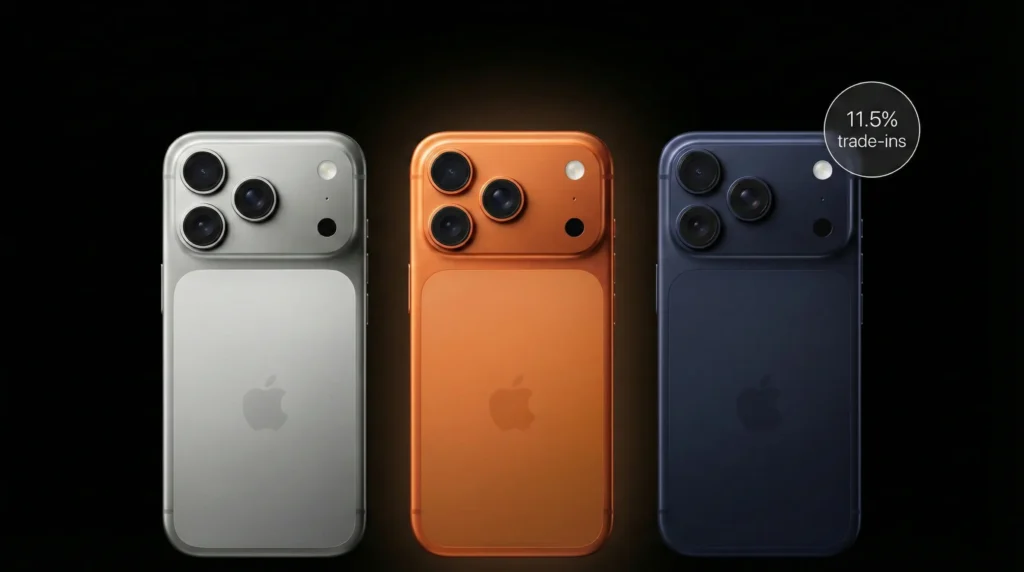
The iPhone 17 Pro Max has become the most traded-in smartphone just months after its late 2025 release, an unusual milestone for a brand-new flagship. Typically, trade-in charts are dominated by devices that are two to three years old, as users reach the end of their carrier contracts.
But February 2026 data from trade-in platforms like SellCell tells a different story.
What the Numbers Actually Show
The iPhone 17 Pro Max now accounts for 11.5% of all top-20 trade-ins, up from just 5.1% in November 2025, more than doubling its share in roughly 12 weeks.
Despite this volume, the device is holding its value exceptionally well, having depreciated only 25.4% since launch. At the same point after release, the iPhone 16 Pro Max had already lost 32.5% of its value. That difference, roughly $95 more retained value, is meaningful for anyone thinking about resale timing.
Notably, 86% of traded-in units are reported in “Mint” or “Good” condition. These are not worn-out or damaged phones. They are nearly new devices being sold by choice.
Why Owners Are Selling So Soon
Three factors are driving this early wave of trade-ins.
The first is a value retention strategy. Because the 17 Pro Max is depreciating slower than previous models, owners can trade in now and recover close to $970 of their original purchase price. For someone who paid $1,200+, that means “using” a flagship phone for several months at a relatively low net cost — essentially treating it like a short-term asset rather than a long-term purchase.
The second factor is device flexibility. Around 76.5% of trade-ins involve unlocked models, meaning these users were never locked into 36-month carrier installment plans. Without those financial constraints, switching devices is a straightforward decision.
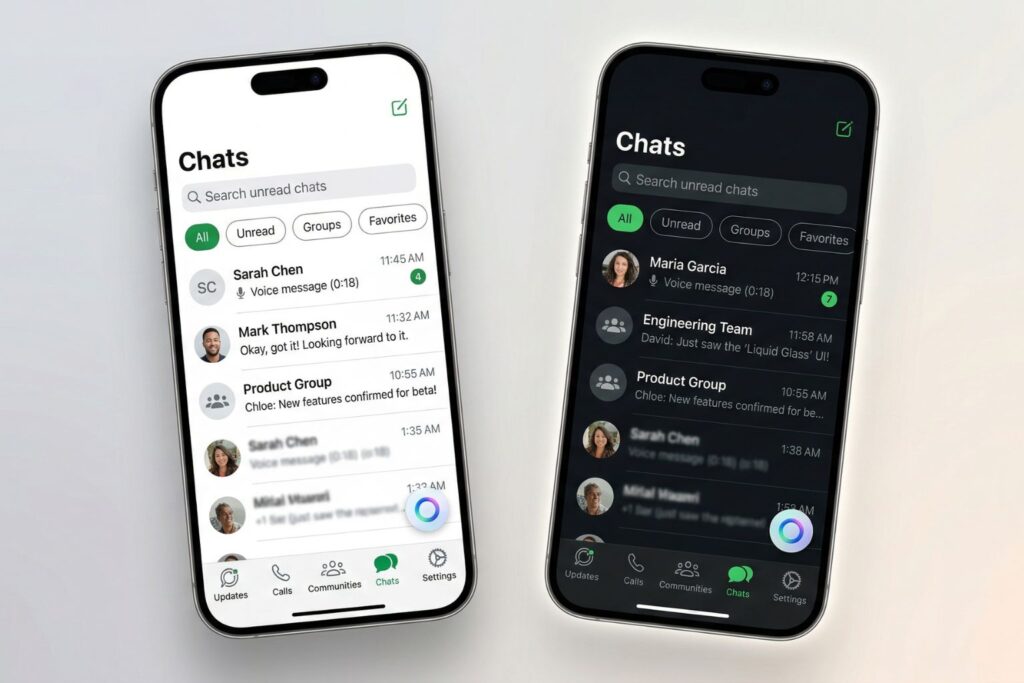
The third reason is software. Apple’s iOS 26 introduced a sweeping interface redesign called “Liquid Glass,” and reaction has been divided. While the A19 Pro chip and 48MP triple-camera system have been widely praised, some users found the visual overhaul significant enough to prompt a switch — either back to an older model or to a competing platform.
How Apple Compares to the Competition
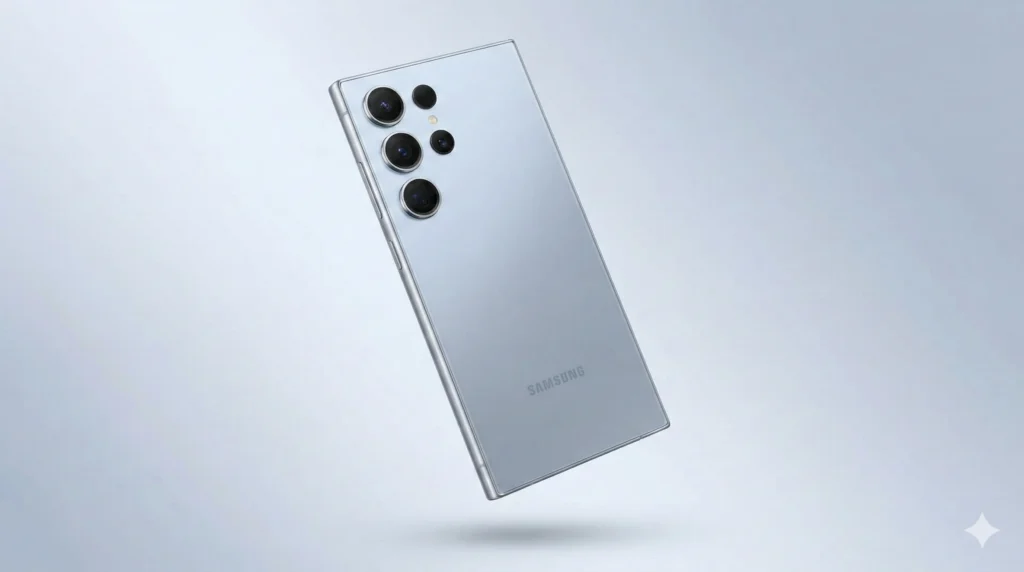
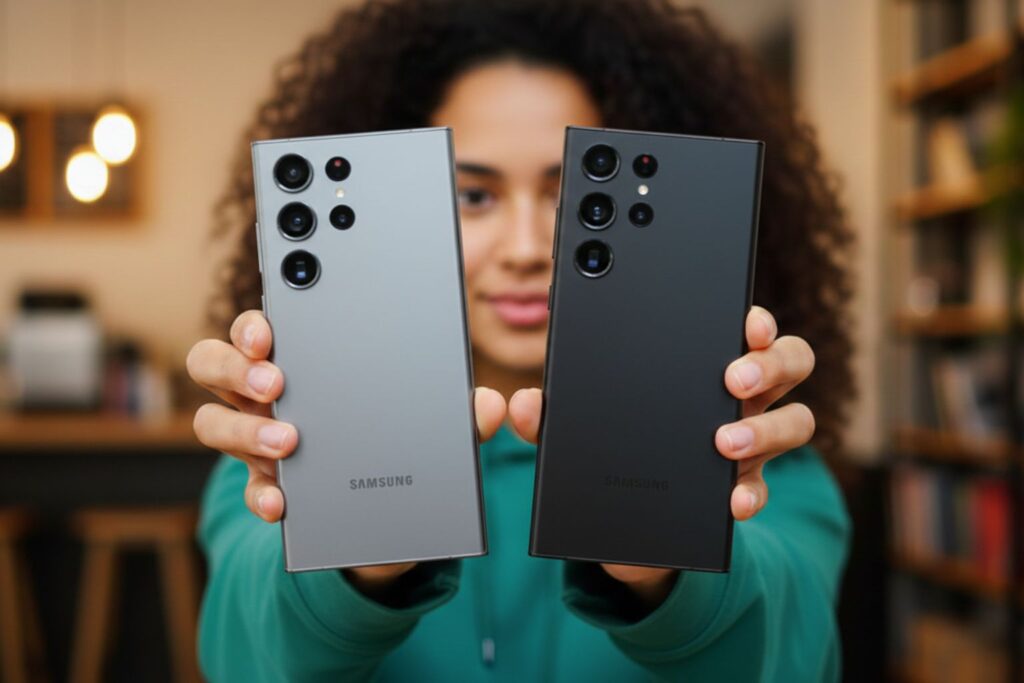
The iPhone 17 Pro Max’s grip on the trade-in market underscores a persistent gap between Apple and Android in the secondary market. In the current top-20 trade-in rankings, the iPhone 15 Pro Max sits at second place (7.3%), the iPhone 14 Pro Max at third (7.3%), and the Samsung Galaxy S25 Ultra is the only Android device to appear at all, holding 3.2%.
What This Means for Owners and Buyers
If you currently own an iPhone 17 Pro Max and are weighing a switch, the data suggests that now is a favorable window to trade in. The device is outperforming historical depreciation curves, which means your return today will likely be higher than it will be six months from now.
If you are in the market to buy, the current surge in trade-ins has created an unusually well-stocked supply of near-mint used units. For buyers who want flagship-level performance without paying the $1,200+ retail price, the secondary market is currently working in your favor.