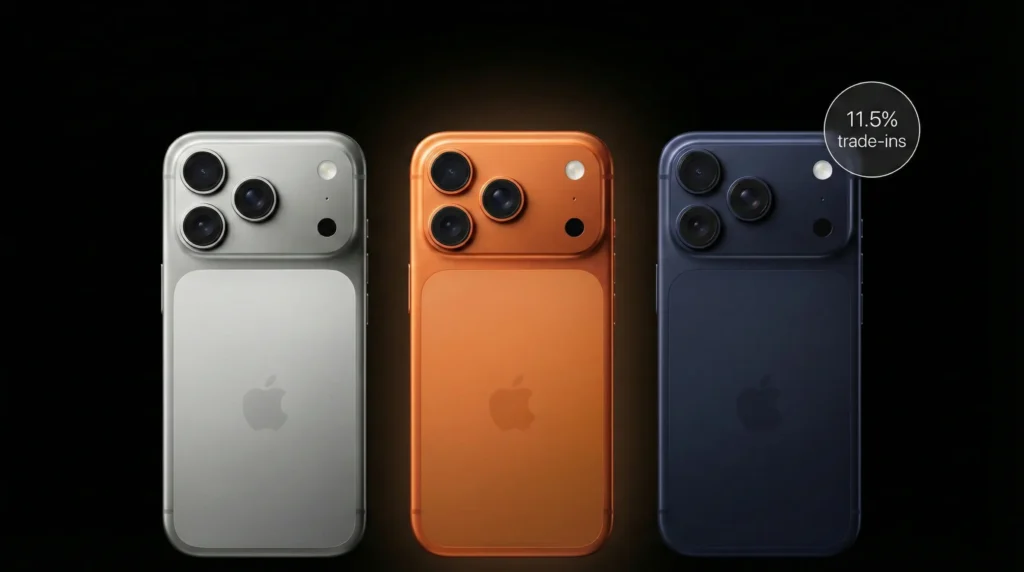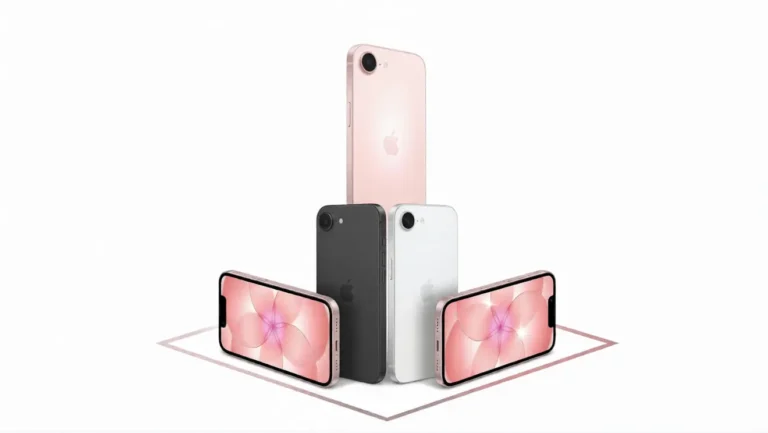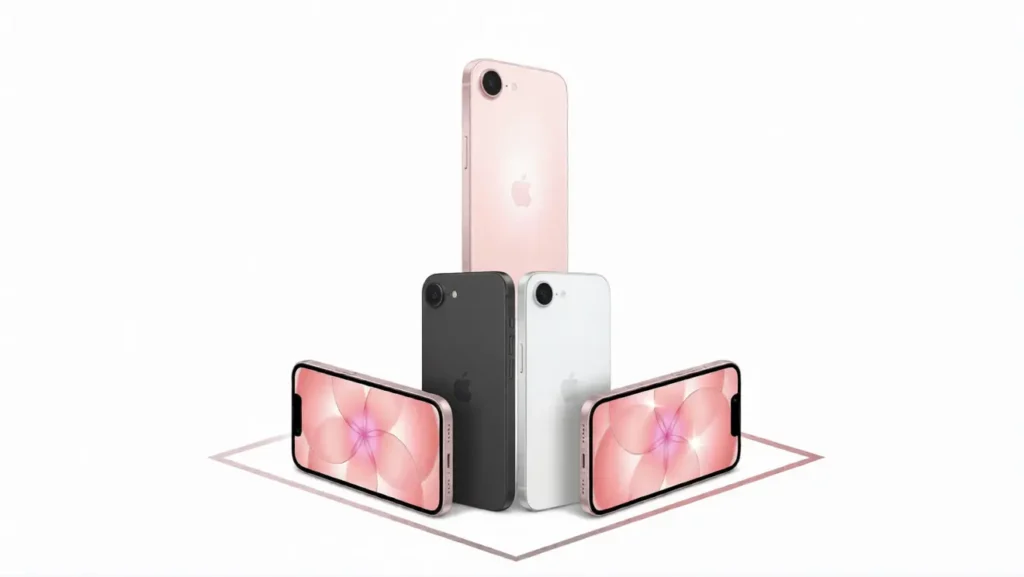
The iPhone 17e launched on March 2, 2026, with sales starting March 11 across more than 70 countries. Apple kept the US price at $599 for 256GB – the same starting price as the 16e, but with double the base storage. In India, the same phone retails at ₹64,900, which works out to roughly $780 at current exchange rates.
That gap – roughly ₹15,000 to ₹17,000 – is fuelling a surge of “should I import the iPhone 17e?” searches. The short answer is: it’s complicated, and there’s one dealbreaker that most blogs are completely glossing over.
The US model of the iPhone 17e has no physical SIM slot. None. If you carry a Jio or Airtel physical SIM, this is a non-starter.
The Price Gap Table (256GB Base Model)
| Country | Local Price | Approx. USD | Saving vs India |
|---|---|---|---|
| India (Reference) | ₹64,900 | ~$780 | — |
| USA | $599 | $599 | Save ~₹15,200 |
| UAE (Dubai) | AED 2,599 | ~$708 | Save ~₹6,000 |
| United Kingdom | £599 | ~$760 | Save ~₹1,700 |
| Singapore | SGD 949 | ~$708 | Save ~₹5,900 |
Exchange rates approximate as of March 2026. Savings are before customs duty – see Section 3.
On paper, importing from the US saves you ~₹15,200. But after India’s customs duty and IGST, that saving can shrink to near zero – or flip negative. More on the maths below.
The eSIM Trap - The Dealbreaker Nobody's Talking About
This is the single most important factor in the entire import debate.
The US-model iPhone 17e (A3258) is eSIM-only. There is no physical SIM card slot whatsoever. Apple’s specification page states it plainly: the device “uses advanced eSIM technology for more convenience and security (not compatible with physical SIM cards).”
Compare this to the international model (A3634) – the one sold officially in India, the UK, and Europe – which supports 1 Nano-SIM + 1 eSIM.
What this means for Indian users: Most Indian users carry a physical Jio, Airtel, or Vi SIM. If you import the US model, you cannot insert a SIM card, ever. While Jio and Airtel do support eSIM, the transfer process requires a postpaid account or a compatible prepaid plan, a visit to a store or a customer support call, and not all plans migrate cleanly. Prepaid Vi users are particularly at risk of being stuck.
Dual-SIM users: The US model supports Dual eSIM, not two physical SIMs. You would need both your numbers on carriers that support eSIM simultaneously – workable on Jio and Airtel postpaid, but complicated for anyone else.
One note: the UK model retains a physical SIM slot, which makes it a marginally better import option – though the saving against India’s price is only around ₹1,700, which barely covers airport coffee.
Customs Duty & Hidden Costs - The Real Maths
| Cost Component | Amount (Approx.) | Notes |
|---|---|---|
| US purchase price | $599 (~₹49,700) | Add ~$50 US sales tax depending on state |
| Basic Customs Duty (BCD) | ₹5,000 - ₹9,000 | 20% on declared value above ₹50,000 duty-free limit |
| IGST (18%) | ₹8,946+ | Levied on assessed value including BCD |
| Airport handling / informal charges | ₹500 - ₹2,000 | Variable; if stopped at customs |
| Total effective cost (if fully taxed) | ~₹63,000 - ₹72,000+ | Varies by declared value and customs officer |
Indian customs allows a duty-free import allowance of ₹50,000 per traveller per year for electronics (one unit). Above that threshold, 20% BCD and 18% IGST apply to the full assessed value. If you declare honestly and get pulled aside, the total landed cost of a US iPhone 17e in India lands very close to – or above – the official ₹64,900 India price. The saving evaporates.
The Dubai route offers a smaller gross saving (~₹6,000) but has historically been easier for travellers to bring in under the duty-free allowance.
Warranty Realities - Does the iPhone 17e Have an International Warranty?
Short answer: not really.
Apple’s Limited Warranty is regional by default. A US-purchased iPhone 17e is covered under Apple’s one-year US warranty. For any manufacturing defect, you’d technically need to take or ship the device to a US Apple Store or US Authorised Service Provider.
The India AASP reality: Authorised Apple service centres in India regularly decline to service foreign-model iPhones under warranty, citing regional policies. Out-of-warranty repairs may be accepted at standard rates, but you lose free warranty coverage entirely. This is a documented, recurring complaint from Indian buyers who imported US or Dubai iPhones over the past several years.
India now has Apple Stores in Mumbai and Delhi, but their willingness to service non-Indian units varies by the specific issue. AppleCare+ purchased in the US offers slightly broader global coverage, but hardware repairs for physical damage still typically require proximity to an Apple Store.
The risk is real: if your imported iPhone 17e develops a screen fault or battery defect within the first year, your local options may be limited to out-of-warranty paid repair.
iPhone 17e vs iPhone 16e
With the 17e launching in March 2026, retailers are discounting remaining 16e inventory in India. Here’s the comparison:
| Spec | iPhone 16e | iPhone 17e |
|---|---|---|
| Chip | A18 | A19 |
| Base Storage | 128GB | 256GB |
| MagSafe | No | 15W MagSafe |
| Wireless Charging | 7.5W Qi | 15W MagSafe / Qi2 |
| Ceramic Shield | Gen 1 | Gen 2 |
| Modem | C1 | C1X (up to 2x faster) |
| India Price | ~₹54,900 (discounted) | ₹64,900 |
iPhone 17e vs iPhone 16e
The storage argument: The 17e doubles base storage to 256GB for the same $599 starting price as the 16e’s 128GB. In India, discounted 16e units are now appearing around ₹54,900 – a ₹10,000 saving – but you’re getting half the storage and none of the MagSafe features.
The MagSafe opening: The iPhone 17e is the first “e”-series iPhone to support MagSafe, at 15W. This opens the entire MagSafe accessory ecosystem – chargers, car mounts, wallet attachments, and stands – that previously required a standard iPhone. If you’re invested in that ecosystem, the 17e is a genuine entry point at significantly less than the iPhone 17’s price.
Verdict on old stock: If 128GB is genuinely enough and you won’t use MagSafe, a discounted 16e at ₹50,000-55,000 is solid value. For most users though, the 17e’s doubled storage, MagSafe, and A19 chip justify the ₹10,000 premium at the official India price.
Should You Import? Pros vs Cons
Pros of importing:
- Save up to ₹15,200 on sticker price (US vs India)
- Access to Soft Pink colour at launch
- Dual eSIM works fine on Jio/Airtel postpaid
- Same A19 chip, identical performance globally
- Dubai option if you’re already travelling there
Cons of importing:
- No physical SIM slot on the US model — critical for most Indian users
- 18% IGST + BCD can wipe out savings entirely if declared at customs
- No local warranty — Indian AASPs frequently refuse foreign-model repairs
- US 5G bands may not perfectly align with all Indian frequency deployments
- Carrying a ₹50,000+ device through airport customs carries real risk
- No consumer protection under India’s Consumer Protection Act for overseas purchases