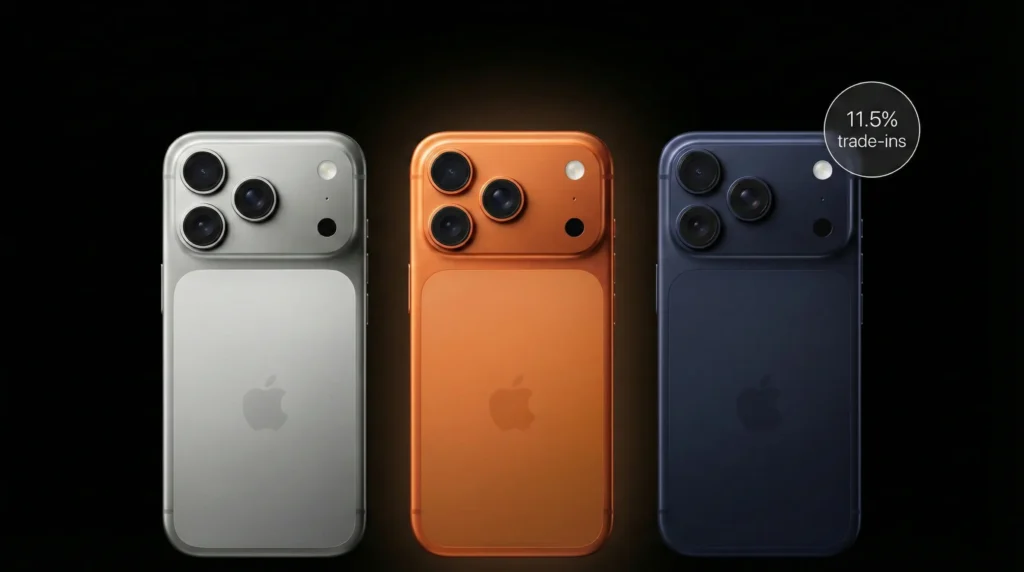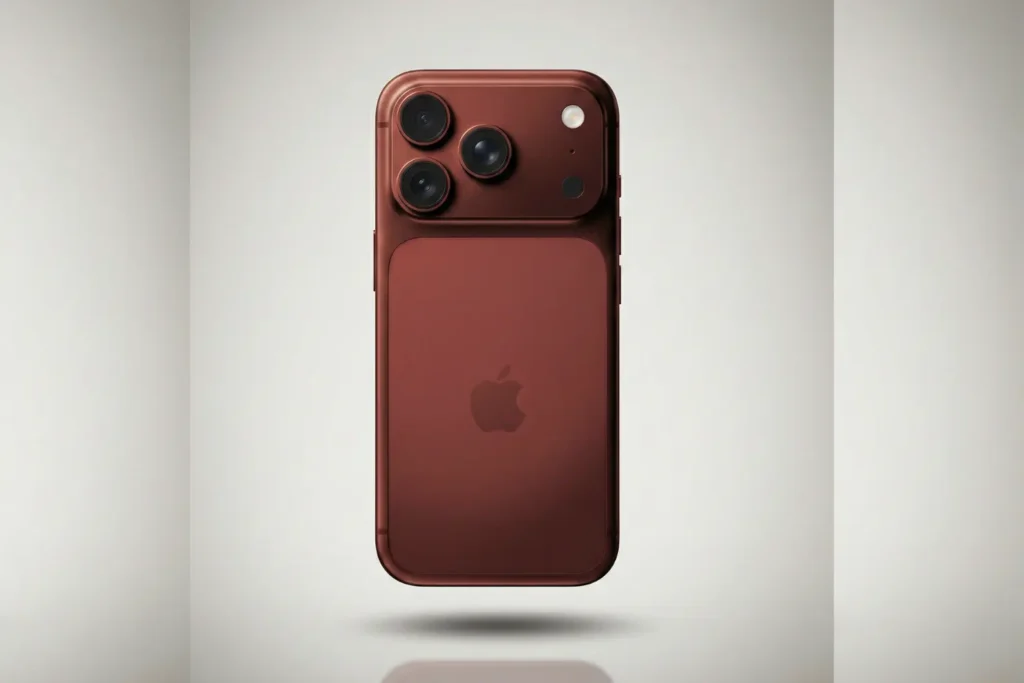
Apple’s iPhone 18 Pro Max is shaping up to break two longstanding barriers that have defined smartphone limitations for years.
Supply chain reports point to a battery capacity exceeding 5,100 mAh, the first time an iPhone crosses the 5,000 mAh threshold, paired with Apple’s inaugural 2-nanometer A20 Pro chip.
Together, these advances suggest a device that could finally deliver genuine two-day battery life without sacrificing the computational muscle needed for increasingly demanding AI features.
A20 Pro: 2nm Performance Boost

TSMC’s 2-nanometer manufacturing process enables the A20 Pro to pack more transistors into less space, translating to approximately 30 percent better power efficiency compared to the current A19 Pro.
That efficiency matters less during light tasks and more during sustained loads, video editing, gaming sessions, or the on-device machine learning operations Apple calls Apple Intelligence.
The performance gains clock in around 15 percent, but the real advantage lies in thermal management.
Smaller transistors generate less heat, meaning the A20 Pro should maintain peak speeds during extended use without throttling. Anyone who has edited video on a warm afternoon understands how quickly current chips back down when temperatures rise.
Largest Battery in iPhone History
The iPhone 15 Pro Max houses a 4,422 mAh battery. At 5,100-5,200 mAh, the iPhone 18 Pro Max represents a 16 percent capacity increase.
Combined with the A20 Pro’s efficiency and Apple’s new C2 modem—which reportedly consumes significantly less power than Qualcomm alternatives—this device could push past 20 hours of heavy mixed use.
That shift matters because it changes behavior. When people trust their phone will last through a full day plus buffer, they stop rationing features, dimming screens below comfortable levels, or carrying charging cables everywhere.
The psychological move from battery anxiety to battery confidence affects how freely people actually use their devices.
Android manufacturers have offered 5,000+ mAh batteries for years, but Apple’s vertical integration typically extracts more endurance per milliamp-hour through tighter hardware-software optimization.
48MP Camera with Variable Aperture

The iPhone 15 Pro Max houses a 4,422 mAh battery. At 5,100-5,200 mAh, the iPhone 18 Pro Max represents a 16 percent capacity increase.
Combined with the A20 Pro’s efficiency and Apple’s new C2 modem—which reportedly consumes significantly less power than Qualcomm alternatives—this device could push past 20 hours of heavy mixed use.
That shift matters because it changes behavior. When people trust their phone will last through a full day plus buffer, they stop rationing features, dimming screens below comfortable levels, or carrying charging cables everywhere.
The psychological move from battery anxiety to battery confidence affects how freely people actually use their devices.
Android manufacturers have offered 5,000+ mAh batteries for years, but Apple’s vertical integration typically extracts more endurance per milliamp-hour through tighter hardware-software optimization.
Design Changes and Weight Impact
The iPhone 18 Pro Max is expected to feature a 6.9-inch LTPO OLED display reaching 3,000 nits peak brightness, 12GB of RAM optimized for AI operations, and a smaller Dynamic Island achieved by moving Face ID components beneath the display. The Apple-designed C2 modem should deliver improved 5G speeds and enhanced satellite connectivity beyond current emergency SOS capabilities.
The tradeoff arrives in weight. Adding 700+ mAh of battery capacity could push the device toward 240 grams, up from the iPhone 15 Pro Max’s 221 grams. Whether consumers accept that depends on whether Apple delivers on battery life promises—if the device genuinely lasts two days of normal use, an extra 20 grams becomes justifiable.
Upgrade Verdict
Anyone using an iPhone 14 Pro Max or older would experience the iPhone 18 Pro Max as a transformative upgrade across virtually every dimension.
For iPhone 15 or 16 users, the decision hinges on current battery satisfaction. If battery life represents a daily frustration, this device appears positioned to solve that problem definitively.
The convergence of meaningful advances across processor architecture, battery capacity, modem design, and camera hardware suggests the iPhone 18 Pro Max could represent the first must-upgrade device in several years—at least for users who prioritize endurance and computational capability above all else.