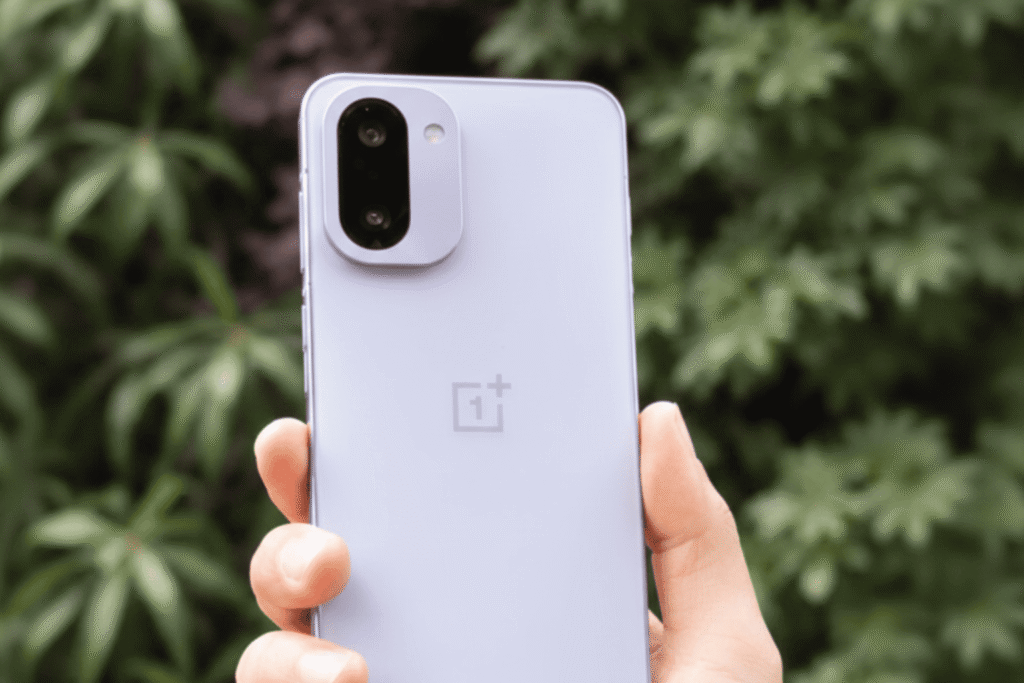
OnePlus has introduced the 15R as a performance-focused refresh of its R-series: a flagship-class SoC, a much larger battery, and a 165Hz display are the main upgrades compared to the OnePlus 13R. This article compares both models based on design, display, performance, battery, camera, software, and price to help readers decide if upgrading is worthwhile.
OnePlus 15R Launch, pricing and availability
The OnePlus 15R has launched in India with a starting price of ₹47,999 for the 12GB RAM and 256GB storage variant. The higher 12GB + 512GB model is priced at ₹52,999. Pre-orders opened at launch, while open sales begin on 22 December through the OnePlus Store, Amazon, and offline retail partners. OnePlus is also offering bank discounts on select cards, which lower the effective launch price.
In comparison, the OnePlus 13R launched at a lower price and has been available with multiple discounts since its release. Current market pricing typically places the 12GB RAM and 256GB storage variant below ₹42,000 at retail. This makes the OnePlus 13R a more value-focused option within the R-series lineup.
OnePlus 15R vs OnePlus 13R Design & durability
Both phones use OnePlus’s latest design style with flat edges and a similar overall size. The OnePlus 15R is slightly bigger and heavier, mainly due to its much larger battery. OnePlus has also improved water and dust protection on the 15R, offering stronger ingress protection compared to the 13R’s IP65 rating. Overall, the design changes are minor both phones look closely related, with small differences in weight and finish options.

Both phones are built to last, but the 15R clearly takes durability a step further. With improved water and dust protection, it’s better prepared for rain, spills, and everyday outdoor use compared to the 13R’s basic splash resistance. It’s a practical upgrade that adds peace of mind without changing the phone’s look or feel.
OnePlus 15R vs OnePlus 13R Comparison
- OnePlus 15R: 1.5K AMOLED panel, 6.83-inch class, 165Hz refresh rate. The higher refresh rate aims to deliver smoother UI motion and a better experience in high-frame-rate gaming.
- OnePlus 13R: 1.5K LTPO AMOLED, 6.78-inch, variable 120Hz (LTPO) refresh implementation and ProXDR tuning on the 13R. The 13R’s LTPO panel is efficient and high-quality but the 15R’s 165Hz panel is the more fluid option on paper.
The OnePlus 15R is powered by Qualcomm’s latest Snapdragon 8 Gen 5 chipset built on a 3nm process, paired with 12GB of LPDDR5x Ultra RAM and fast UFS 4.x storage on higher variants. This flagship-class platform delivers stronger single-core performance, faster graphics processing, and improved on-device AI capabilities. In comparison, the OnePlus 13R runs on the Snapdragon 8 Gen 3, which remains a highly capable flagship-tier processor with strong CPU and GPU performance and good power efficiency for everyday use and gaming.
Battery life is a major area of difference between the two phones. The newer model packs a huge 7,400mAh battery with 80W fast charging, making it one of the largest batteries seen in a mainstream smartphone and ideal for long usage and extended gaming sessions. The 13R, meanwhile, comes with a 6,000mAh battery and the same 80W charging, which still delivers strong endurance but is clearly smaller in comparison.
Camera changes are modest. The newer model offers a 50MP dual rear setup and a better 32MP autofocus selfie camera with improved video. The 13R also has a 50MP main camera but uses a simpler front camera, making the upgrade more noticeable for selfies and video calls.
Both phones run OnePlus’s OxygenOS, with the 13R launching on OxygenOS 15 and the 15R shipping with the newer OxygenOS 16. The newer software brings updated on-device AI features and performance optimisations, along with better thermal and gaming tuning to maintain performance under heavy use. Over time, software differences are expected to grow as the 15R benefits from a newer OS base and future updates.