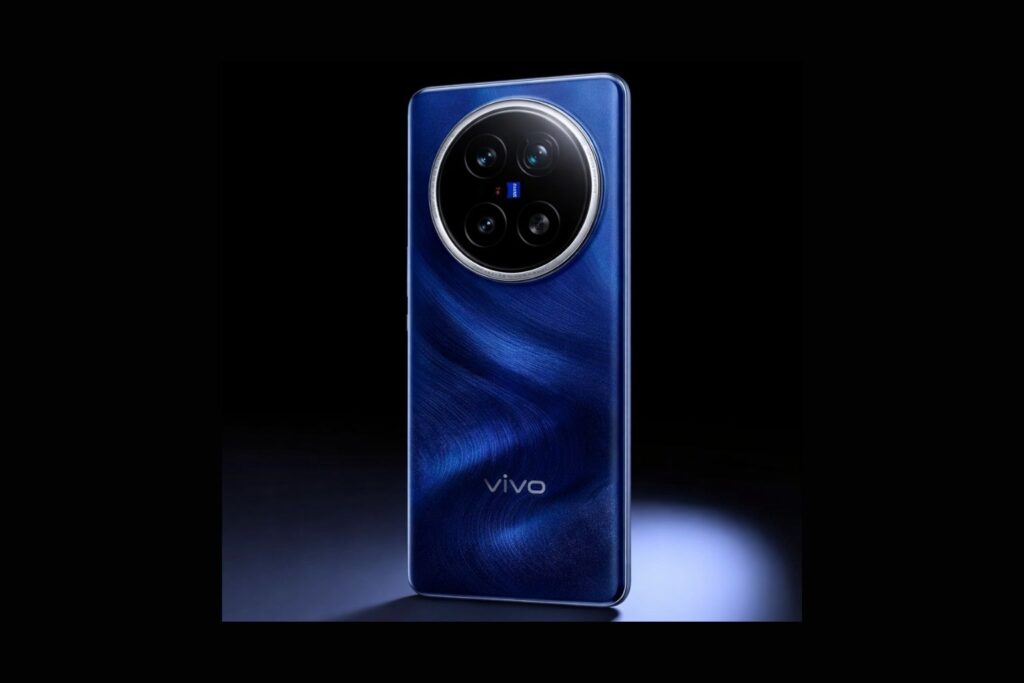
Vivo X200 Pro: Camera Hardware and Imaging Capabilities Overview
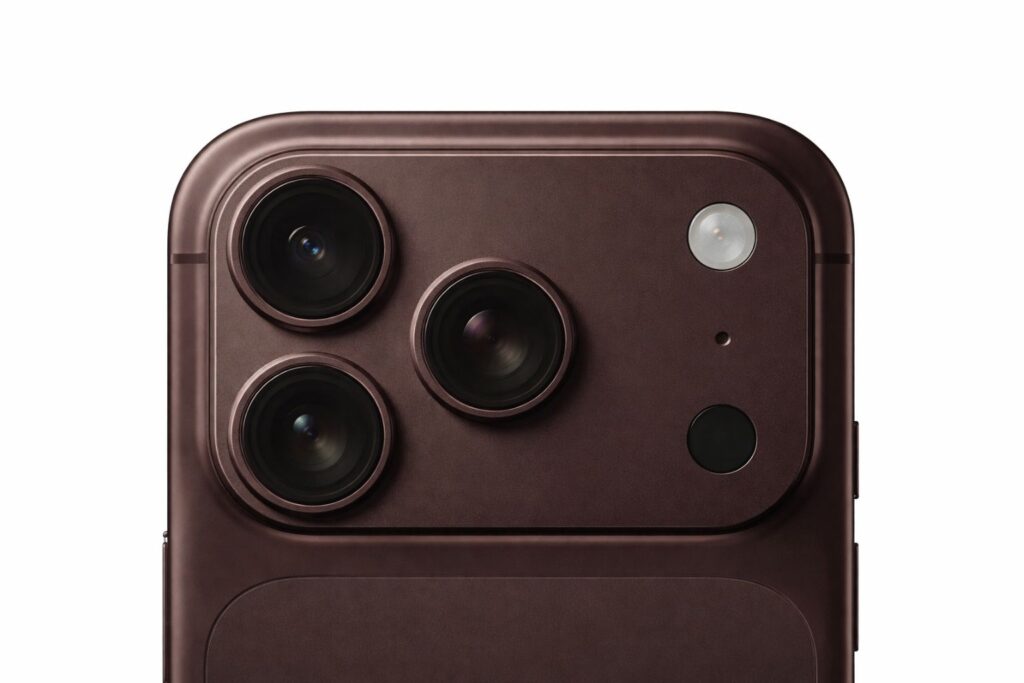
The Vivo X200 Pro features a triple-camera system co-engineered with Zeiss. The primary camera uses a 50MP Sony LYT-818 sensor with a large 1/1.28-inch size and an f/1.57 aperture.
This combination is designed to improve light intake, dynamic range, and highlight control in mixed lighting conditions.
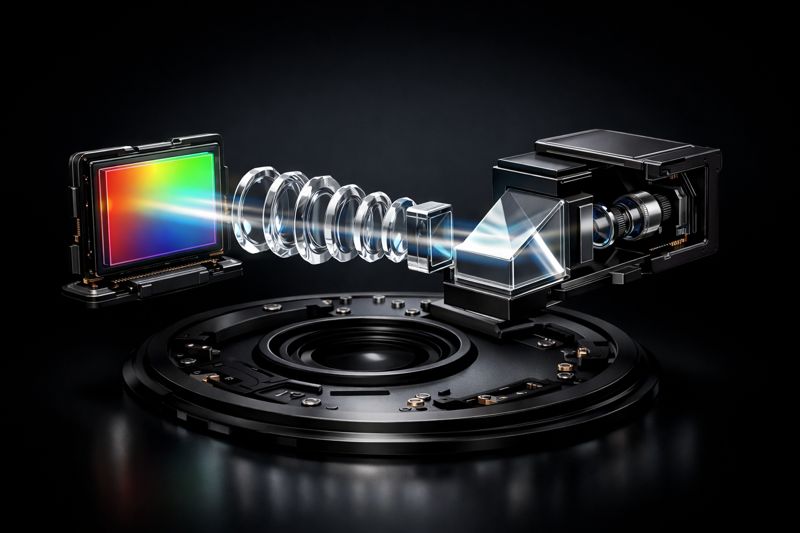
The standout component is the 200MP Samsung HP9 periscope telephoto camera. With a large 1/1.4-inch sensor and 3.7× optical zoom, it enables detailed long-range shots while also providing flexibility for high-quality cropping.
This hardware-first approach reduces reliance on aggressive digital zoom processing.
Completing the setup is a 50MP ultra-wide camera with a 119-degree field of view.
While its smaller sensor limits fine detail compared to the main and telephoto cameras, it remains useful for landscapes, group shots, and close-focus photography.
The X200 Pro delivers natural colours and balanced contrast through Zeiss tuning, with stable exposure and controlled noise in low light.
Its 200MP periscope provides sharp hybrid zoom, while video recording reaches 4K at 120fps with Dolby Vision and effective stabilisation for smooth handheld footage.
Vivo X200 Pro: Chipset Architecture & Capabilities
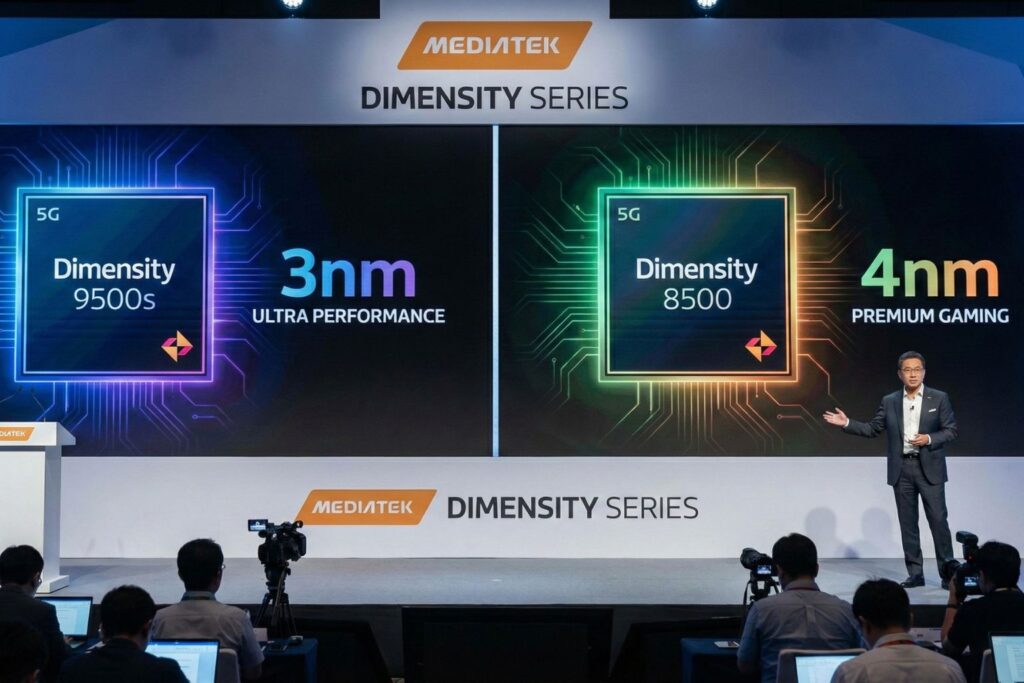
The Vivo X200 Pro is powered by the MediaTek Dimensity 9400, built on a second-generation 3nm manufacturing process. The emphasis here is on efficiency as much as raw performance, allowing sustained workloads without excessive heat generation.
The processor uses an all-big-core CPU design, combining high-performance cores with efficiency-focused ones to balance responsiveness and power consumption.
Graphics duties are handled by the Immortalis-G925 GPU, supporting high refresh rate displays and modern gaming features.
An integrated NPU enables on-device AI tasks such as real-time translation, image editing, and background system optimisation.
These features operate continuously without placing heavy strain on the CPU or battery.
Vivo X200 Pro: Real-World Performance Analysis
In everyday use, the Vivo X200 Pro delivers consistently smooth performance. App launches are quick, multitasking is stable, and system animations remain fluid even during extended usage.
Gaming performance is strong across demanding titles. While peak frame rates are high initially, the phone prioritises thermal stability during longer sessions.
Under sustained load, performance may reduce moderately to manage heat, helping maintain device comfort.
An upgraded cooling system improves heat dissipation, but intensive tasks such as prolonged 4K 120fps recording or extended gaming can still cause noticeable warmth. Frame rate adjustments in these scenarios are gradual rather than abrupt.
Vivo X200 Pro: Battery Capacity & Efficiency
Battery life is a major strength of the Vivo X200 Pro. The device uses a 6,000mAh silicon-carbon battery, which offers higher energy density without significantly increasing size or weight.
In typical daily use, the phone delivers around 10 to 12 hours of screen-on time. Tasks such as browsing, video streaming, navigation, and photography show steady and predictable battery drain.
The efficiency of the 3nm Dimensity 9400 chipset plays a key role here. Power consumption remains controlled even during heavier workloads, contributing to reliable all-day endurance for most users.
Vivo X200 Pro:Charging & Battery Health
The Vivo X200 Pro supports up to 90W wired charging, allowing the large battery to recharge quickly when needed. Charging speeds remain consistent across most of the cycle rather than dropping sharply after the initial boost.
Wireless charging is supported at up to 30W, offering convenient top-ups for desk or overnight use. Thermal management during charging helps prevent excessive heat buildup.
Battery health features focus on long-term durability. Charging optimisation and temperature controls are designed to reduce wear over time, making the device suitable for extended ownership.
Who Should Buy Vivo X200 Pro
The Vivo X200 Pro is well-suited for users who prioritise camera flexibility. The periscope telephoto camera and balanced image processing make it a strong option for travel and portrait photography.
Power users will benefit from the combination of stable performance and long battery life. The phone handles multitasking and gaming reliably without frequent recharging.
It also appeals to users who value endurance. The large battery and fast charging reduce downtime during busy schedules or extended travel.
Limitations to Consider
The ultra-wide camera does not match the detail levels of the main or telephoto sensors, particularly in low-light conditions.
Sustained performance tuning favours stability over peak output. Users focused purely on benchmark scores may notice conservative performance behaviour under prolonged stress.
Software preferences remain subjective. Vivo’s interface prioritises features and optimisation, which may not appeal to users seeking a minimal or stock Android experience.