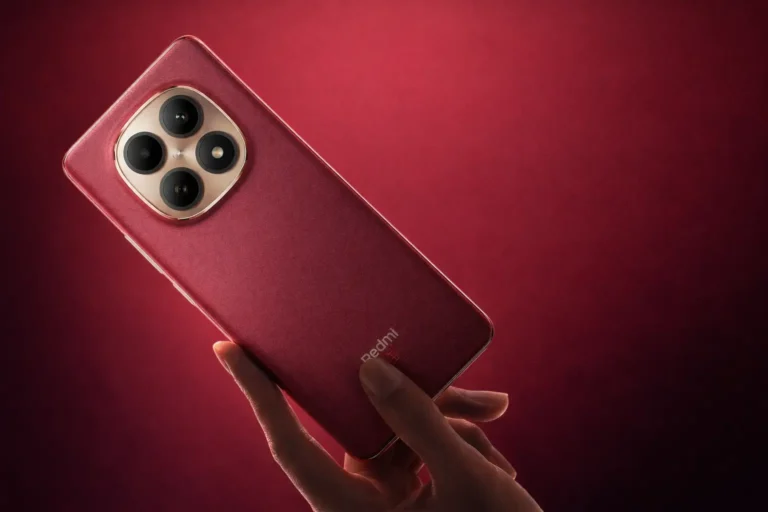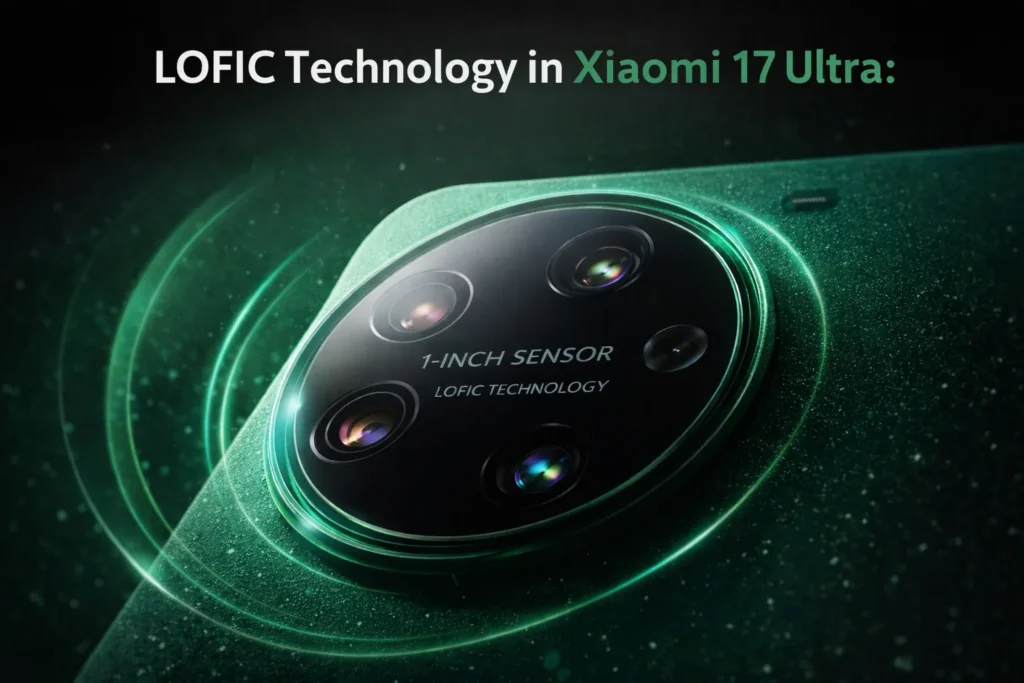
The Xiaomi 17 Ultra is officially launching in China on December 25, 2025, and it’s already generating massive buzz as the new “Night Photography Champion.” While most of the headlines are focused on the massive 200MP periscope zoom, the real technical breakthrough lies in the main camera’s LOFIC technology.
Paired with a massive 1-inch OmniVision OV50X sensor, LOFIC is set to redefine how smartphones handle lighting. But what exactly is it, and why does it matter for your photos? Let’s dive into the tech that’s pushing mobile dynamic range to cinema-grade levels.
What is LOFIC Technology?
LOFIC stands for Lateral Overflow Integration Capacitor. In simple terms, it is a hardware-level solution designed to prevent blown-out highlights (overexposure) in high-contrast scenes.
Traditional smartphone sensors have a limited “bucket” (Full Well Capacity) for each pixel. When you take a photo of a bright light source, such as a sunset or a neon sign, that bucket overflows quickly, causing detail in the bright areas to turn into pure white patches.
How LOFIC works:
The Safety Valve: Each pixel is equipped with a high-density capacitor that acts as an overflow tank.
Capturing the “Extra” Light: When the primary pixel hits its limit, the excess light (electrical charge) flows into the LOFIC capacitor instead of being discarded.
Single-Exposure HDR: Because the data is stored in the capacitor during the shot, the phone can reconstruct a high-dynamic-range image from a single exposure.
How LOFIC Transforms the 1-Inch Sensor
The Xiaomi 17 Ultra uses the Light Hunter 1050L (OmniVision OV50X), a 50MP sensor with a massive 1-inch surface area. By adding LOFIC to this already large sensor, Xiaomi achieves three major benefits:
“Watch: A deep dive into the Xiaomi 17 Ultra’s revolutionary LOFIC sensor and 200MP zoom capabilities.”
“LOFIC (often technically referred to as Lateral Overflow Integration Capacitor) is the key to this low-noise performance.”
1. 100dB+ Dynamic Range (16EV)
The combination allows the sensor to reach over 100dB of dynamic range. To put that in perspective, professional cinema cameras often operate in the 14-16 stop (EV) range. This means you can photograph a person in deep shadow against a bright sunrise, and both the person’s face and the details of the sun will be perfectly preserved.
2. Eliminating Ghosting and Motion Blur
Most phones achieve HDR by “stacking” multiple photos taken at different exposure levels. If your subject moves during those shots, you get “ghosting.” Because LOFIC captures all the light data in a single frame, motion artifacts are virtually eliminated.
3. Superior Video Performance
LOFIC isn’t just for stills. It enables the Xiaomi 17 Ultra to record 4K/8K HDR video with much cleaner transitions between light and dark areas. It also significantly reduces LED flicker, a common issue when filming near digital screens or streetlights.
Xiaomi 17 Ultra vs. The Competition
While competitors like the Samsung Galaxy S26 Ultra and iPhone 17 Pro Max rely heavily on AI and software processing to “fix” dynamic range, Xiaomi is using a hardware-first approach.
| Feature | Xiaomi 17 Ultra (LOFIC) | Competitor (Standard HDR) |
| Exposure Method | Single-exposure hardware capture | Multi-exposure software stacking |
| Dynamic Range | 100dB – 110dB (16EV+) | ~85dB – 95dB |
| Motion Handling | Perfect (Zero ghosting) | Prone to blur/ghosting in HDR |
| Low Light Detail | Extremely high (Shadow retention) | Moderate (Noise in dark areas) |
The Verdict: A New Era for Mobile Imaging
The integration of LOFIC technology into a 1-inch sensor is a milestone. It signals a shift from “computational photography” (fixing photos with AI) back to “optical excellence” (capturing the data correctly at the source).
For professional creators and photography enthusiasts, the Xiaomi 17 Ultra isn’t just another smartphone; it’s a pocketable cinema camera.