I’ve spent the last 48 hours with the Xiaomi 17 Ultra, and frankly, I haven’t been this excited about a piece of smartphone hardware in half a decade.
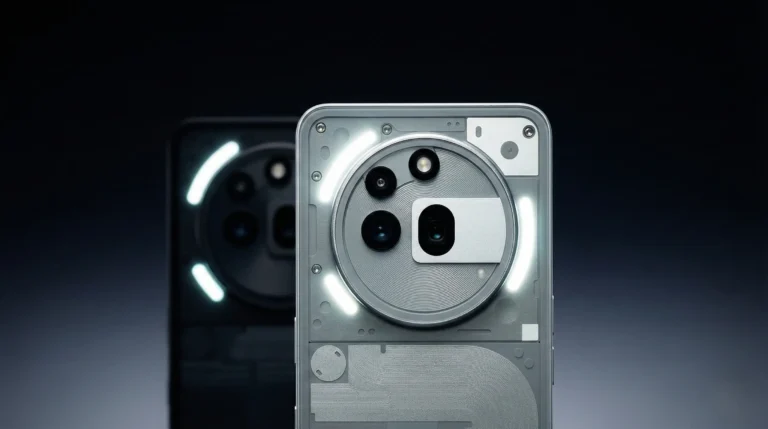
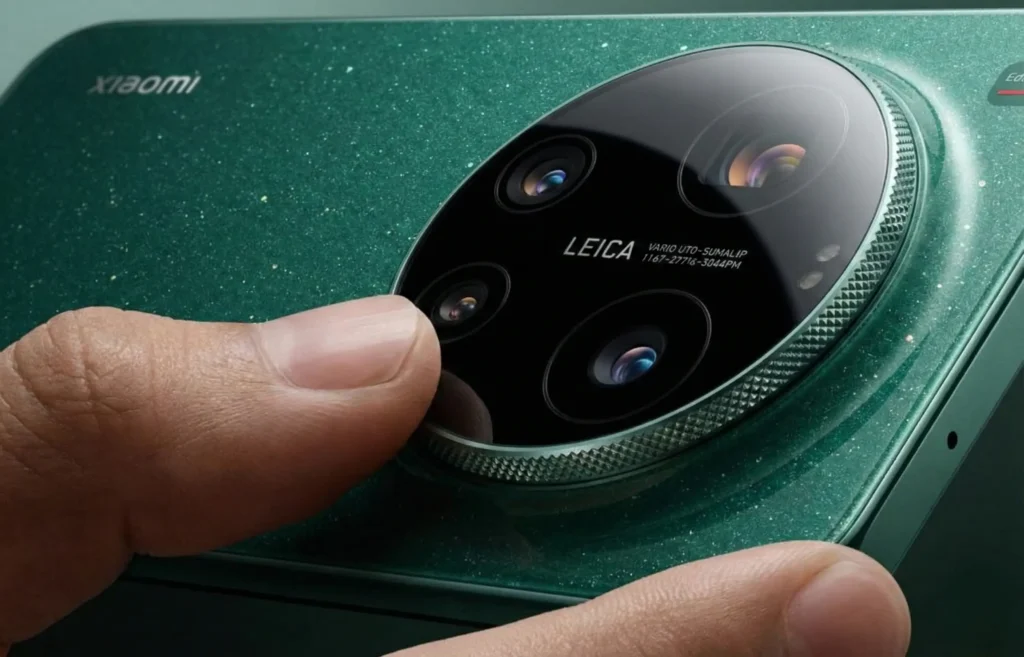
Forget the Snapdragon 8 Elite Gen 5 processor for a moment. Forget that it’s the world’s thinnest Ultra flagship at just 8.29mm. The real story here—the feature that is going to fundamentally change how you take pictures—is the mechanical Master Zoom Ring on the back.
After two days of testing it on the streets, I’m convinced: this isn’t a gimmick. It’s the missing link between smartphones and professional cameras, and frankly, every flagship phone needs to steal this feature immediately. Here is why.
The Problem with "Pinching"
Let’s be honest: “pinch-to-zoom” is terrible.
It’s imprecise, it’s jerky, and worst of all, it requires you to cover the very screen you are trying to compose your shot on. Trying to smoothly zoom in during a video recording? Forget it. You always end up with that ugly, stuttering digital jump.
We have accepted this mediocrity for 15 years because there was no better option. Until this week.
The Tactile Revolution: How it Feels
When Xiaomi announced the 17 Ultra on December 25, they claimed the ring used 20 precision ball bearings to detect movements as minuscule as 0.03mm. That sounds like marketing fluff until you actually touch it.
The moment my thumb found the knurled metal texture of the ring, it clicked.
The resistance is perfect. It’s not loose like a fidget spinner; it has a weighted, hydraulic feel, similar to a high-end manual focus lens on a Leica M camera. As you turn it, you get subtle, incredibly satisfying haptic ticks that let you know exactly how far you’ve moved through the focal range without ever looking at the screen.
It brings “muscle memory” back to mobile photography.
Real-World Test: Why It Changes the Game
I took the 17 Ultra out for some street photography and video tests. This is where the hardware advantage becomes undeniable.
1. The Cinematic Video Pull This is the biggest game-changer. I started recording a 4K video and used the ring to slowly push in on a subject. The resulting footage was silky smooth—a slow, deliberate cinematic zoom that looked like it was shot on a professional rig. You simply cannot replicate that smooth motion using a touchscreen slider.
2. Micro-Adjustments for Composition When framing a street shot, sometimes you don’t want to jump from the 1x lens straight to the 3x lens. You just need a tiny bit of crop to remove a distracting element from the edge of the frame. The ring allows for effortless micro-adjustments, letting you dial in exactly 1.2x or 2.4x zoom with surgical precision, without your fingers blocking the view.
Verdict
For years, smartphone manufacturers have tried to make phones “pro” by adding more megapixels and AI processing. But they ignored the most important part of professional photography: the physical connection to the tool.
The Xiaomi 17 Ultra’s Master Zoom Ring brings analog precision back to a digital world. It makes taking photos fun, tactile, and intentional again.
It’s not just a cool feature for the CNY 7,999 Leica Edition; it’s a blueprint for the future of mobile imaging. Your move, Samsung and Apple.