With the Xiaomi Pad 8 already launched, the focus shifts from announcements to its place in Xiaomi’s tablet upgrade cycle. Rather than judging it purely on specs, looking at how Xiaomi typically updates its Pad lineup helps explain whether this generation brings meaningful changes or mostly refinements. Historically, Xiaomi prioritises targeted upgrades while keeping the core formula intact, and the Pad 8 follows that same pattern.
Xiaomi tablets are usually positioned to offer balanced hardware at competitive pricing, rather than chasing frequent, radical redesigns. The real appeal lies in how Xiaomi fine-tunes the essentials each year, focusing on performance, display quality, and software longevity while keeping the overall experience familiar and reliable.
This predictable cycle makes it easier for users to decide whether an upgrade delivers real value or if sticking with an older model still makes sense for everyday use.
Read Also: Xiaomi Pad 8 Specifications: Big Display, Flagship-Grade Performance, All-Day Battery
What Xiaomi Typically Improves in Each New Pad Generation
Display and Visual Experience
Display upgrades are one of the most consistent changes across Xiaomi Pad generations. Newer models often bring improvements in resolution, refresh rate, brightness, or panel tuning. These changes are usually evolutionary rather than dramatic, but they enhance everyday tasks like media consumption, reading, and multitasking.
Performance and Chipset
Xiaomi generally refreshes the processor with each generation, moving to a newer mid-range or upper mid-range chipset. The goal is steady gains in efficiency and sustained performance rather than flagship-level power. This approach supports smoother multitasking, better app stability, and longer-term software support without pushing costs too high.
Software and Update Support
Each new Pad model typically launches with a newer Android version and Xiaomi’s latest system interface. While the core UI experience remains familiar, background optimisations, multitasking features, and long-term update commitments usually improve with newer hardware.
Battery Optimisation
Battery capacity often remains similar between generations, but efficiency tends to improve through chipset optimisation and software tuning. Charging speeds may also see incremental upgrades, though Xiaomi generally avoids extreme jumps in this area for its mainstream tablets.
Xiaomi Pad 8 Upgrade Strategy: What Changes and What Stays the Same
Despite generational updates, many aspects remain consistent, and that is very much by design. Xiaomi often retains a similar design language, materials, and form factors across multiple Pad models to avoid unnecessary changes. Camera hardware also sees minimal upgrades, as tablets are built mainly for productivity and media consumption rather than photography. Audio setups and accessory support typically evolve at a slower pace, focusing on small refinements instead of complete reinvention.
The Xiaomi Pad 8 closely follows Xiaomi’s established upgrade strategy, delivering targeted gains in performance, display quality, and software while keeping the overall experience familiar. Instead of redefining the series, it refines it, positioning the Pad 8 as a logical successor that continues Xiaomi’s value-focused, incremental approach.
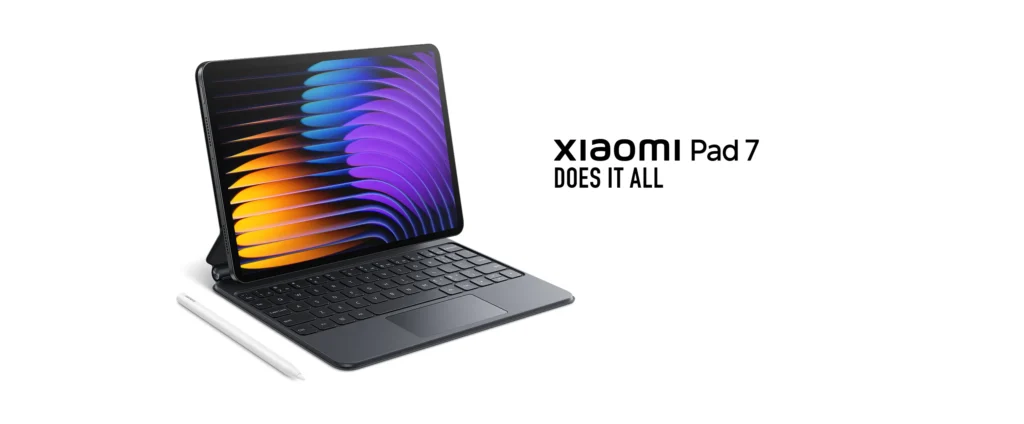
Compared to the Xiaomi Pad 7, the Pad 8 focuses on incremental updates. It offers improvements in performance efficiency, display smoothness, and software support, while the design and core user experience remain largely unchanged. For existing Pad 7 users, the differences are moderate rather than substantial.
Source : Xiaomi
Who Should Consider Upgrading to the Xiaomi Pad 8
The real gains with the Xiaomi Pad 8 are most obvious if you are upgrading from an older or entry-level tablet. Improvements in responsiveness, display smoothness, and long-term software support are immediately noticeable. For users on a recent Xiaomi Pad, the decision becomes less about necessity and more about whether incremental performance boosts and a longer update window justify the switch.