IMDAD

Redmi Note 15 Performance, Camera, Battery, and Software Explained in Detail
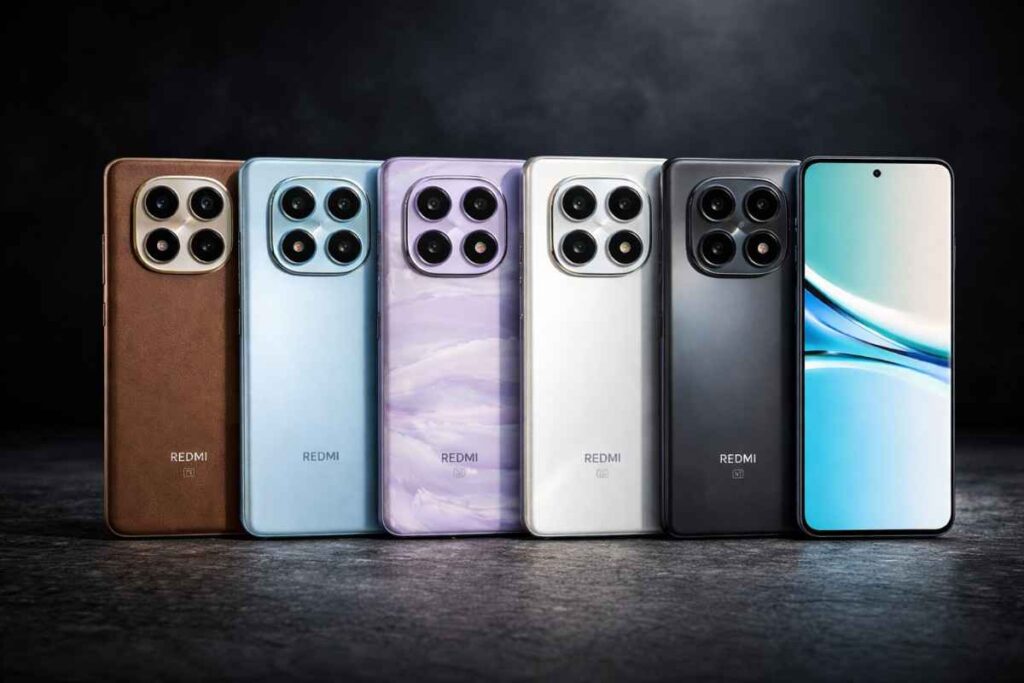
Redmi Note 15 smartphones in multiple colour variants displayed side by side on a dark background, highlighting the rear camera design and front display.

The Redmi Note 15 promises big upgrades where they matter most performance, camera quality, battery life, and software. But how well does it actually deliver in real-world use? Here’s a detailed breakdown of what to expect from Xiaomi’s latest mid-range smartphone. Redmi Note 15 Performance & Display The Redmi Note 15 5G aims to keep things smooth where it matters most: everyday performance. It comes with Qualcomm Snapdragon 6 Gen 3, a mid-range chipset built for balanced power efficiency and reliable speed. In the real-world use, it’s expected to handle daily apps, social media, streaming, and moderate multitasking smoothly, while casual gaming should remain stable and consistent. Compared to older entry-level Qualcomm chips, leaks point to a noticeable bump around 30% faster CPU performance and up to 10% gains on the GPU side making the upgrade feel meaningful rather than incremental. Paired with up to 8GB of RAM and 256GB of storage on India and global variants, the software is tuned for quick app switching and fluid day-to-day usage, which is exactly what most users in this segment care about. Redmi Note 15 Camera System and Real-World Imaging The Redmi Note 15’s camera system is built around a 108MP main sensor that captures sharp, detailed images in good lighting. An ultra-wide lens adds flexibility for group and landscape shots, while AI features like Night and HDR help improve consistency across everyday shooting conditions. The 108MP main camera on the Redmi Note 15 is designed to capture high-detail photos, especially in well-lit conditions. It uses pixel-binning to combine multiple pixels into one, improving clarity and dynamic range. The result is sharper images with balanced colors, making it reliable for everyday photography and social media use. The ultra-wide camera on the Redmi Note 15 adds flexibility by capturing a broader field of view, making it useful for landscapes, architecture, and group photos. It allows more of the scene to fit into the frame without stepping back, delivering consistent results in good lighting for everyday wide-angle shots. In real-world use, the Redmi Note 15’s camera delivers consistent and predictable results. Photos show balanced colors and good detail in daylight, while HDR helps manage highlights and shadows. Night processing improves low-light shots by reducing noise, making the camera reliable for everyday moments rather than studio-level photography. Redmi Note 15 Camera System and Real-World Imaging Battery life is a key strength of the Redmi Note 15. Its 5,520mAh battery is built for all-day endurance, delivering an estimated 7–8 hours of screen-on time with browsing, streaming, and social media, while efficient power management keeps usage consistent from morning to night. The Redmi Note 15 is reported to support 45W wired fast charging. With this charging speed, the phone can go from 0 to 100 percent in roughly 55–60 minutes, based on typical Xiaomi charging behaviour for similar battery sizes. This allows quick top-ups and minimal downtime during daily use. The Redmi Note 15 runs on Android 15 with Xiaomi’s HyperOS 2, offering a clean and responsive interface designed for everyday use. Smooth animations, flexible customization, and improved power optimization enhance usability, while updated privacy controls and refined multitasking make the software experience practical and easy to live with. HyperOS on the Redmi Note 15 focuses on speed and efficiency, with smoother animations, better background app control, and improved battery optimisation. The interface feels lighter and more refined than older MIUI versions, offering useful customization and a cleaner, more intuitive everyday software experience.

Redmi Note 15 Performance, Camera, Battery, and Software Explained in Detail Read More »
OnePlus Pad Go 2 Review: Smooth Performance, Big Display, and What You Actually Get

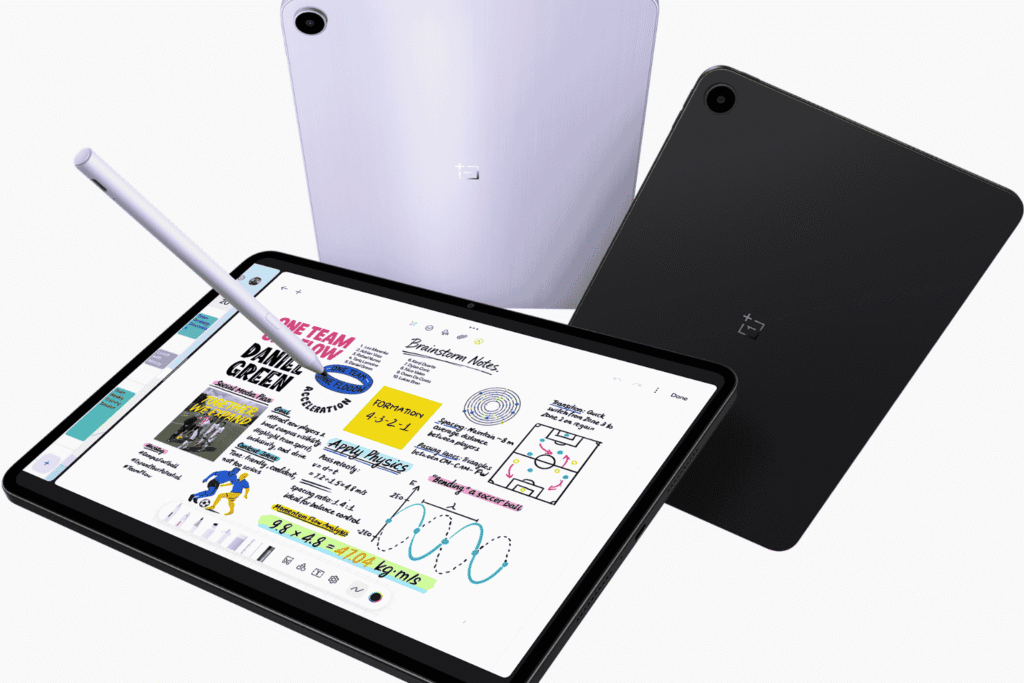
OnePlus Pad Go 2 tablet shown in Shadow Black and Lavender Drift colours with stylus support and note-taking interface displayed on screen

Image source: OnePlus (official) The OnePlus Pad Go 2 positions itself as a practical mid-range Android tablet, combining a large high-refresh display with smooth day-to-day performance and long battery life. It targets users looking for reliable media consumption and multitasking without paying flagship tablet prices. OnePlus Pad Go 2 Performance, Software, and Connectivity The OnePlus Pad Go 2 is powered by MediaTek’s 4 nm Dimensity 7300-Ultra chipset, delivering smooth and responsive performance for everyday use. Navigation, web browsing, streaming, and split-screen multitasking feel fluid, with OxygenOS 16 helping keep app switching and system animations consistent. The tablet handles productivity apps and light gaming comfortably, though it isn’t designed for demanding 3D games or professional creative workloads. Overall, performance matches its mid-range positioning, offering reliable real-world responsiveness. Out of the box, the OnePlus Pad Go 2 runs OxygenOS 16 based on Android 16, delivering a clean and intuitive interface tailored for tablet use. The UI remains largely uncluttered, with minimal bloatware keeping navigation smooth and predictable. Tablet-focused features such as Open Canvas multitasking and improved split-screen workflows enhance productivity, while regular security updates add to long-term stability. Overall, the software experience feels polished and well suited for everyday use. The OnePlus Pad Go 2 delivers reliable connectivity with fast dual-band Wi-Fi and optional 5G support for standalone mobile internet. Bluetooth, GPS, and a USB-C port ensure smooth accessory pairing, navigation, data transfer, and charging. OnePlus Pad Go 2 Display and Design The display is one of the OnePlus Pad Go 2’s key strengths. It features a 12.1-inch 2.8K IPS LCD with a 120Hz refresh rate, delivering sharp visuals and smooth scrolling. The tall 7:5 aspect ratio suits reading, multitasking, and split-screen use, while Dolby Vision support enhances streaming content. Brightness levels are adequate for everyday indoor use and occasional outdoor viewing, making the panel a strong highlight in its segment. At first glance, the OnePlus Pad Go 2 feels well balanced and purposeful, featuring a clean flat-edge design and slim bezels that maximise usable screen space. Its lightweight build makes it comfortable to use for extended periods, while the Shadow Black and Lavender Drift finishes add a subtle, refined touch. OnePlus Pad Go 2 Battery Life, Audio, and Overall Verdict Battery life is a clear strength of the OnePlus Pad Go 2. Its 10,050mAh battery comfortably delivers a full day of mixed use, including streaming, browsing, multitasking, and productivity tasks. In real-world use, this translates to long video playback and extended work sessions, making it dependable for daily routines and travel. While the 33W wired charging isn’t the fastest in its segment, it refills the large battery at a practical pace for everyday use. The OnePlus Pad Go 2’s quad-speaker setup delivers clear, well-balanced audio with good stereo separation. Volume levels are strong with minimal distortion, making it a capable choice for movies, casual gaming, and everyday media consumption. The OnePlus Pad Go 2 offers a well-balanced experience in the mid-range tablet segment. It brings together a large high-refresh display, smooth everyday performance, dependable battery life, and clean software in a practical package. While it isn’t aimed at power users or heavy creative workloads, it handles media consumption, multitasking, and daily use with ease. For buyers seeking a reliable Android tablet with modern features and optional 5G connectivity, the Pad Go 2 stands out as a sensible and competitive choice.

OnePlus Pad Go 2 Review: Smooth Performance, Big Display, and What You Actually Get Read More »

Vivo’s New Pad 5 Pro Brings Dimensity 9400 Power and a Soft-Light Display to Tablets

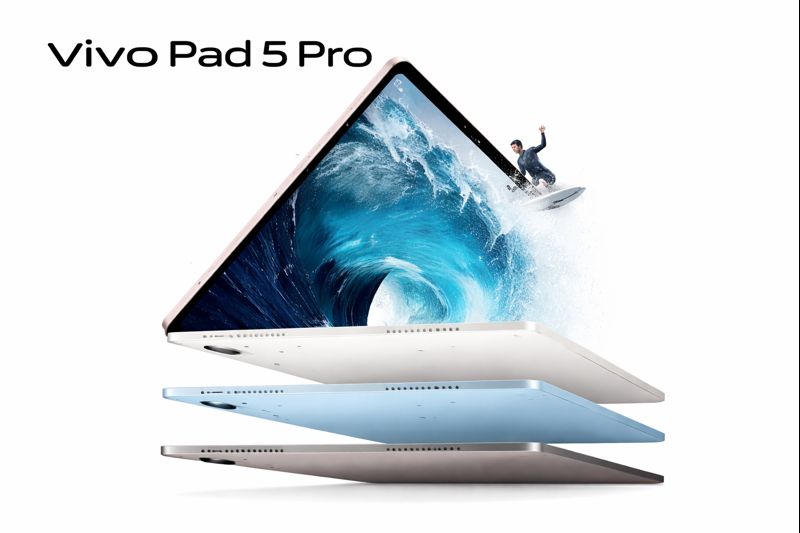
Vivo Pad 5 Pro tablet shown in a layered design with a large 13-inch display and slim metal body, highlighting the premium build and display design.

Vivo has refreshed its premium tablet lineup in China with the Pad 5 Pro Soft Light Edition, pairing MediaTek’s flagship Dimensity 9400 chip with a large 3.1K display designed for reduced eye strain. Here’s a clear look at the specs, pricing, and what sets it apart. Vivo Pad 5 Pro Soft Light Edition: Quick Overview SoC: MediaTek Dimensity 9400 Display: 13-inch 3.1K (3096×2064) LCD with a 144Hz refresh rate and Soft Light eye-care coating Battery: 12,050mAh (typical) with 66W wired fast charging RAM / Storage: 12GB + 256GB and 16GB + 512GB variants Price (China): CNY 3,699 for the 12GB + 256GB model and CNY 4,199 for the 16GB + 512GB model (roughly $524 and $595, respectively). The tablet is currently available via major retail channels in China. Vivo Pad 5 Pro Soft Light Edition Display and Design The Vivo Pad 5 Pro Soft Light Edition focuses heavily on screen comfort and premium build quality. It features a large 13-inch 3.1K display with a 144Hz refresh rate, delivering good visuals and smooth scrolling. The Soft Light coating reduces glare and reflections, making long reading or work sessions easier on the eyes. With high brightness and a taller 3:2 aspect ratio, the display suits productivity and media very well. The tablet’s slim metal body, narrow bezels and balanced weight gives it a clean, modern look that feels flagship-grade. The tablet comes with Racing Grey colour option for its China launch, offering a subtle, professional matte finish that complements its eye-care display and premium build. Illustrative image (AI-generated) Vivo Pad 5 Pro Soft Light Edition Performance: Dimensity 9400 The Vivo Pad 5 Pro Soft Light Edition is powered by the MediaTek Dimensity 9400, a 3 nm flagship-class chipset designed for high performance and efficiency. This silicon handles multitasking, high-resolution video playback, and demanding mobile games with ease, keeping apps responsive even under heavy loads. Thanks to an advanced cooling system, the tablet maintains sustained performance during extended use. Combined with ample RAM and fast storage options, the Dimensity 9400 ensures smooth navigation and reliable performance for productivity, creativity, and entertainment tasks across Android tablet workflows. Vivo Pad 5 Pro Soft Light Edition Battery and Charging The Vivo Pad 5 Pro Soft Light Edition packs a large 12,050mAh battery, offering long-lasting endurance for productivity, streaming, and everyday use. With 66W fast charging support, the tablet can be topped up quickly, reducing downtime and making it practical for extended work or entertainment sessions. Vivo Pad 5 Pro Soft Light Edition Price in China The Vivo Pad 5 Pro Soft Light Edition is priced in China at CNY 3,699 (around $520) for the 12GB + 256GB variant. The higher 16GB + 512GB configuration is listed at CNY 4,199 (around $590). Both models are available via Vivo’s official store and major Chinese online retailers. The Tablet is already on sale in China, having launched officially in mid-December through Vivo’s own channels and major e-commerce platforms like Vivo Mall and JD.com. It’s offered in multiple memory configurations, and Vivo has also rolled out promotional bundles and discounts on accessories during the early sales period. As of now no global availability window has been confirmed, so buyers outside China may need to wait for an international rollout or consider import options.

Vivo’s New Pad 5 Pro Brings Dimensity 9400 Power and a Soft-Light Display to Tablets Read More »

OnePlus Pad Go 2 Launched in India With Big Battery, Large Display and True 5G At Very Competitive Price

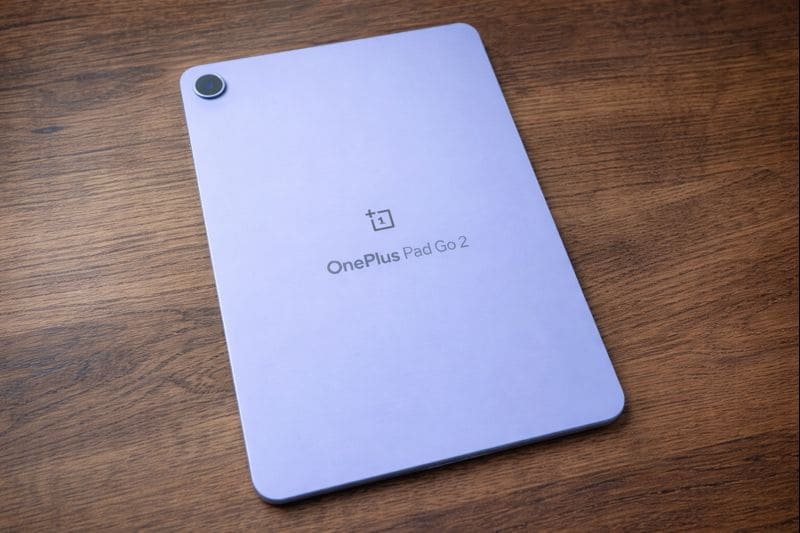
OnePlus Pad Go 2 tablet lying on a wooden table showing the rear design and camera

OnePlus Pad Go 2 has launched in India as a mid-range tablet, offering a large 12.1-inch 2.8K 120Hz display, a big 10,050mAh battery, and true 5G connectivity at a competitive price. OnePlus Pad Go 2 Key specs Display 12.1-inch 2.8K (2800 × 1980) LCD, 120Hz adaptive refresh rate, Dolby Vision Processor MediaTek Dimensity 7300-Ultra (4nm octa-core) Battery 10,050mAh with 33W wired fast charging and reverse charging support Connectivity True 5G (cellular variant), Wi-Fi 6, Bluetooth 5.4, USB Type-C Memory & Storage 8GB RAM with 128GB / 256GB internal storage options OnePlus Pad Go 2 Price OnePlus has priced the Pad Go 2 smartly for buyers who want a big-screen tablet without spending flagship money. The base 8GB + 128GB Wi-Fi model starts at ₹26,999, while the 8GB + 256GB Wi-Fi variant costs ₹29,999. If you want the convenience of mobile data, the 8GB + 256GB version with 5G is priced at ₹32,999. Taken together, the Pad Go 2 feels like a practical choice for streaming, work, and everyday use offering a large 12.1-inch display, a big battery, and proper 5G support at prices that stay comfortably in the mid-range. OnePlus Pad Go 2 Performance, Software, Battery and Connectivity The OnePlus Pad Go 2 runs on MediaTek’s 4nm Dimensity 7300-Ultra chip, paired with 8GB of RAM and up to 256GB of fast UFS 3.1 storage. In day-to-day use, it can do smooth multitasking, responsive apps, and hassle-free media playback a noticeable upgrade over the previous model. Benchmarks place it comfortably in the mid-range tablet segment, especially compared to older hardware.  The OnePlus Pad Go 2 runs OxygenOS 16 based on Android 16, offering a smooth, responsive UI with multitasking optimizations like Open Canvas and split/floating windows. OnePlus promises extended software and security update support, enhancing longevity and consistent performance. The OnePlus Pad Go 2 features a 10,050mAh battery, providing long-lasting endurance for daily tasks, streaming, and productivity use. It supports 33W wired fast charging for quicker top-ups and includes reverse wired charging, enabling the tablet to charge compatible accessories or smartphones when required. This tablet supports standalone 5G connectivity, allowing direct SIM-based internet access without Wi-Fi or phone tethering, ensuring faster and more reliable connectivity for streaming, work, and browsing on the move. The tablet is equipped with 8 MP rear and 8 MP front cameras, suitable for basic photos, document scanning, and video calls. They provide adequate clarity for everyday tasks but are not designed for high-quality photography or advanced imaging. A quad-speaker setup delivers loud, clear sound with good balance, making videos, music, and video calls more immersive. It’s well-suited for everyday media consumption without needing external speakers. An optional stylus is supported for note-taking, sketching, and easy navigation. Sold separately, it enhances productivity for users who want to write, draw, or multitask more efficiently on the tablet.

OnePlus Pad Go 2 Launched in India With Big Battery, Large Display and True 5G At Very Competitive Price Read More »

OnePlus 15R vs 13R: What’s New, What’s Better, What’s Changed

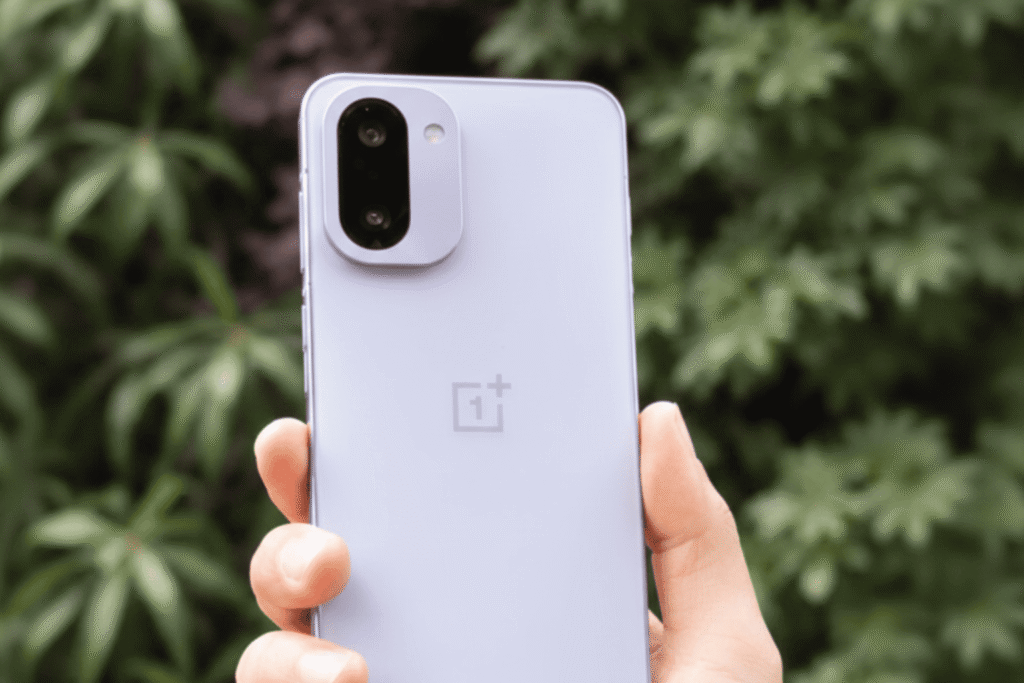
OnePlus 15R rear panel with dual camera setup and OnePlus logo

OnePlus has introduced the 15R as a performance-focused refresh of its R-series: a flagship-class SoC, a much larger battery, and a 165Hz display are the main upgrades compared to the OnePlus 13R. This article compares both models based on design, display, performance, battery, camera, software, and price to help readers decide if upgrading is worthwhile. OnePlus 15R Launch, pricing and availability The OnePlus 15R has launched in India with a starting price of ₹47,999 for the 12GB RAM and 256GB storage variant. The higher 12GB + 512GB model is priced at ₹52,999. Pre-orders opened at launch, while open sales begin on 22 December through the OnePlus Store, Amazon, and offline retail partners. OnePlus is also offering bank discounts on select cards, which lower the effective launch price. In comparison, the OnePlus 13R launched at a lower price and has been available with multiple discounts since its release. Current market pricing typically places the 12GB RAM and 256GB storage variant below ₹42,000 at retail. This makes the OnePlus 13R a more value-focused option within the R-series lineup. OnePlus 15R vs OnePlus 13R Design & durability Both phones use OnePlus’s latest design style with flat edges and a similar overall size. The OnePlus 15R is slightly bigger and heavier, mainly due to its much larger battery. OnePlus has also improved water and dust protection on the 15R, offering stronger ingress protection compared to the 13R’s IP65 rating. Overall, the design changes are minor both phones look closely related, with small differences in weight and finish options. Both phones are built to last, but the 15R clearly takes durability a step further. With improved water and dust protection, it’s better prepared for rain, spills, and everyday outdoor use compared to the 13R’s basic splash resistance. It’s a practical upgrade that adds peace of mind without changing the phone’s look or feel. OnePlus 15R vs OnePlus 13R Comparison OnePlus 15R: 1.5K AMOLED panel, 6.83-inch class, 165Hz refresh rate. The higher refresh rate aims to deliver smoother UI motion and a better experience in high-frame-rate gaming. OnePlus 13R: 1.5K LTPO AMOLED, 6.78-inch, variable 120Hz (LTPO) refresh implementation and ProXDR tuning on the 13R. The 13R’s LTPO panel is efficient and high-quality but the 15R’s 165Hz panel is the more fluid option on paper. The OnePlus 15R is powered by Qualcomm’s latest Snapdragon 8 Gen 5 chipset built on a 3nm process, paired with 12GB of LPDDR5x Ultra RAM and fast UFS 4.x storage on higher variants. This flagship-class platform delivers stronger single-core performance, faster graphics processing, and improved on-device AI capabilities. In comparison, the OnePlus 13R runs on the Snapdragon 8 Gen 3, which remains a highly capable flagship-tier processor with strong CPU and GPU performance and good power efficiency for everyday use and gaming. Battery life is a major area of difference between the two phones. The newer model packs a huge 7,400mAh battery with 80W fast charging, making it one of the largest batteries seen in a mainstream smartphone and ideal for long usage and extended gaming sessions. The 13R, meanwhile, comes with a 6,000mAh battery and the same 80W charging, which still delivers strong endurance but is clearly smaller in comparison. OnePlus 15R OnePlus 13R Processor Snapdragon 8 Gen 5 Snapdragon 8 Gen 3 Display 6.83 inch, 1.5K, 165Hz 6.78 inch, 1.5K LTPO, up to 120Hz Battery 7,400mAh, 80W 6,000mAh, 80W Rear Camera 50MP main + ultrawide 50MP main + additional lenses RAM and Storage 12GB LPDDR5x, up to 512GB 12GB to 16GB, up to 512GB Price in India Rs. 47,999 (12GB, 256GB) Around Rs. 38,000 to Rs. 42,000  Camera changes are modest. The newer model offers a 50MP dual rear setup and a better 32MP autofocus selfie camera with improved video. The 13R also has a 50MP main camera but uses a simpler front camera, making the upgrade more noticeable for selfies and video calls. Both phones run OnePlus’s OxygenOS, with the 13R launching on OxygenOS 15 and the 15R shipping with the newer OxygenOS 16. The newer software brings updated on-device AI features and performance optimisations, along with better thermal and gaming tuning to maintain performance under heavy use. Over time, software differences are expected to grow as the 15R benefits from a newer OS base and future updates.

OnePlus 15R vs 13R: What’s New, What’s Better, What’s Changed Read More »

18K Gold on a Smartwatch? We Tested the New 2025 Huawei Ultimate Design.

Huawei Watch Ultimate Design Royal Gold Edition centered on a beige gradient background, featuring an 18K gold-accented bezel, purple ceramic case, and luxury metal bracelet.

Huawei has introduced the 2025 Watch Ultimate Design Royal Gold Edition, combining luxury materials with advanced dive-focused hardware. The smartwatch features 18K gold detailing, a zirconium-based liquid metal case, and support for sonar-based underwater communication. Positioned as a high-end wearable for both professional and extreme-use scenarios, it targets users seeking a balance of premium design, durability, and specialized functionality. Materials and Build Quality Explained Huawei positions the Watch Ultimate Design Royal Gold Edition as a carefully engineered product rather than a cosmetic luxury variant. It uses solid 18K gold inlays alongside a ceramic bezel and a zirconium-based liquid metal chassis, chosen for their durability, corrosion resistance, and long-term wear characteristics. Huawei says the materials are joined using proprietary bonding techniques to manage differences in strength and thermal behavior, allowing the watch to deliver a premium finish while maintaining the structural reliability expected from a high-end sports and dive-focused smartwatch. Underwater Performance and Safety Features On the technical side, the watch is positioned as a dedicated dive instrument rather than a lifestyle-focused wearable. It features a certified dive computer rated to 150 meters, compliant dive algorithms, integrated depth and temperature sensors, and mechanical controls designed for reliable operation while wearing gloves. These elements place it firmly in the category of professional-grade dive hardware rather than casual fitness tracking. A notable addition is the integrated acoustic modem, which uses a piezoelectric transducer working with the liquid-metal chassis to transmit low-bandwidth, error-corrected messages between compatible devices at distances of up to around 30 meters. An SOS relay mode can extend this range by passing messages through nearby units. While the system is limited to short communications and depends on wider device adoption, it is positioned as a practical safety feature for low-visibility conditions or situations where dive partners become separated. Display Technology and Interaction Design The display and interaction design reflect a balance between functional readability and premium presentation. The watch uses a 1.5 inch LTPO AMOLED panel rated at up to around 3,500 nits, ensuring maps and dive data remain legible in bright sunlight and underwater glare. LTPO support down to 1Hz, combined with power-optimized display management, helps control battery consumption during extended use. Protection comes from a curved sapphire crystal designed to redirect impact forces and reduce the risk of tensile stress fractures, improving durability without affecting visual clarity. On the software side, Huawei applies its Royal UI skin with exclusive watch faces, gold-accented typography, and refined animations. These elements are intended to visually align the interface with the watch’s premium materials while keeping interaction straightforward and readable. Battery Life and Health Tracking Features Battery performance is positioned as a functional advantage rather than a headline feature. The watch houses an 867 mAh battery using a silicon carbon composite anode, paired with system-level power management to support multi-week usage under typical conditions and extended runtime in expedition-grade GPS modes. This approach aims to exceed the day-to-day endurance commonly associated with smartwatches. The silicon carbon anode design uses a carbon framework to control silicon expansion, enabling higher energy density within a compact form factor. In practical terms, this allows the watch to be worn continuously without frequent charging, while still supporting navigation, tracking, and other smartwatch features during longer outdoor or dive-focused use. Huawei’s health features emphasize broader sensor integration and data depth. The TruSense system adds ECG-capable electrodes via the X Tap interface, alongside metrics such as pulse wave velocity, arterial stiffness, SpO2, sleep, and apnea tracking. While aimed at wellness rather than clinical use, these features support the expectations of buyers seeking both premium design and meaningful health insights from a high-end smartwatch. Ecosystem Limits and Competition The main limitations of the Royal Gold Edition stem from ecosystem compatibility rather than hardware capability. While HarmonyOS 6.0 is well integrated on Huawei devices, the experience on iOS is restricted, with limited notification interaction, reduced app control, and inconsistent background connectivity. Combined with a premium price of around €3,300, the watch delivers its full value primarily to users already invested in Huawei’s ecosystem, which can be a barrier in iPhone-dominated markets. In the broader market, Huawei positions the watch between Apple and Garmin. It offers longer battery life, stronger dive features, and more premium materials than the Apple Watch Ultra 3, while prioritizing display quality and luxury finish over the deeper analytics found in Garmin’s MARQ series. This places it in a narrow but distinct category as a high-end smartwatch that blends luxury design with certified dive-computer functionality. Verdict Huawei positions the Royal Gold Edition as a combination of advanced engineering and luxury materials. Its use of specialized alloys, underwater communication hardware, long battery life, and a high-brightness display address practical performance needs alongside premium design. The trade-offs include a high price, limited functionality when paired with iPhones, and the added care required for gold-accented finishes. For buyers who prioritize certified dive features, extended battery life, and distinctive materials over ecosystem flexibility, the Royal Gold Edition represents a niche but clearly defined option in the 2025 smartwatch market.

18K Gold on a Smartwatch? We Tested the New 2025 Huawei Ultimate Design. Read More »

iPhone 16 Pro Now Available Under ₹70,000 on Flipkart: How the Offer Works

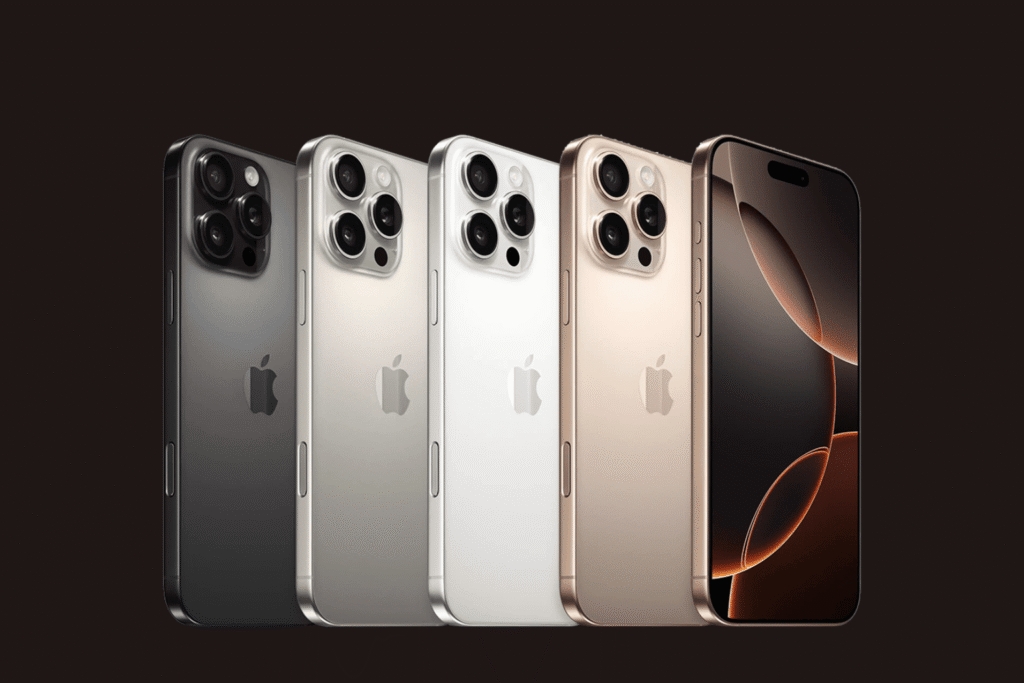
iPhone 16 Pro shown in multiple titanium colour variants, highlighting the premium design and camera layout, as seen in Flipkart’s End of Season Sale offer in India.

Flipkart’s End of Season Sale is offering a significant price drop on the iPhone 16 Pro. By combining bank offers and exchange benefits, customers can purchase Apple’s flagship smartphone for under ₹70,000, positioning it as one of the most attractive iPhone deals currently available. Here’s a breakdown of how the offer is structured. With the launch of the iPhone 17 series in September 2025, the iPhone 16 Pro moved into a planned inventory clearance phase. Retailers are responding with a mix of calibrated price cuts, bank-linked instant discounts, and high-value exchange offers to accelerate sell-through. Flipkart’s strategy combines these elements to present a compelling “effective price,” effectively resetting consumer price perception from around ₹1.1 lakh to the sub-₹70,000 range. At the entry level, Flipkart has set the iPhone 16 Pro (128GB) at a calibrated base price of ₹1,09,900. An instant ₹4,000 discount is applied when using the Flipkart–Axis Bank co-branded card, reducing the payable amount to ₹1,05,900. To push the effective price below ₹70,000, an exchange value of roughly ₹36,000 is required (₹1,05,900 − ₹36,000 – ₹69,900). While Flipkart promotes an exchange benefit of up to ₹68,050, this figure applies only to select devices in near-perfect condition, such as the iPhone 15 Pro Max. For most users, the final effective price is determined by the platform’s real-time assessment of the device being traded in. Based on typical exchange valuation bands, buyers most likely to achieve an effective price below ₹70,000 are owners of recent, high end smartphones. Devices such as the iPhone 15 Pro Max (approximately ₹58,000 to ₹64,000), iPhone 15 Pro (₹50,000 to ₹54,500), and well maintained iPhone 14 Pro Max units (₹35,500 to ₹50,000) fall squarely within the required range. In contrast, older models, including the iPhone 13 Pro or non Pro Android flagships that are two to three years old, generally attract lower exchange values, keeping the final price above the ₹70,000 threshold even after discounts. In effect, this offer functions as a selective upgrade opportunity for recent iPhone owners rather than a broad based price cut for all buyers. Step by Step Guide to Getting the iPhone 16 Pro for Under ₹70,000 Check your exchange estimate now. Use the Flipkart app, enter your pincode and exact model and condition to get a realistic trade in quote. Confirm bank offer eligibility. Verify that you can use the Flipkart Axis Bank card instant discount. If you do not have one, check whether the up to ₹4,000 discount is available through any alternate cards you hold. Compare exchange ranges. If your device’s estimated trade in value is under ₹36,000, you will not reach the sub ₹70,000 mark. In that case, consider selling privately to secure a higher return. Decide on a Pre Reserve Pass. Purchase it only if your exchange quote is favourable and you are comfortable with the sometimes non refundable commitment. Prepare the old phone. Back up your data, remove all locks, and clean the device thoroughly to avoid depreciation during the delivery inspection. Be at home during delivery. Inspection takes place at handover, so keep receipts ready and be prepared to pay any shortfall immediately. Factor in hidden fees. Add ₹59 to ₹99 for secured packaging and allow for minor incidental charges, so the final amount does not come as a surprise.

iPhone 16 Pro Now Available Under ₹70,000 on Flipkart: How the Offer Works Read More »

10 Best Performance Smartphones in 2025: Specs, Performance, and Price

OnePlus 15 rear design showing the camera module and back panel

Smartphone performance has taken a big step forward in 2025. New 3nm chips, better batteries, and improved cooling help flagship phones stay fast for longer. This level of power wasn’t possible just a few years ago. The Top 10 Performance Smartphones of 2025 1.RedMagic 11 Pro / Pro+ The RedMagic 11 Pro and Pro+ are powered by the Snapdragon 8 Elite Gen 5, paired with up to 24GB LPDDR5X RAM and 1TB UFS 4.1 storage. Its active cooling system helps maintain peak performance during long gaming sessions. The phone features a 6.85-inch 144Hz AMOLED display and a 7500mAh silicon-carbon battery with fast charging. Pricing starts at around $749 and goes up to $999, which roughly translates to ₹62,000–₹83,000 in India, depending on the variant. RedMagic 11 Pro / Pro+ Processor: Snapdragon 8 Elite Gen 5 Display: 6.85-inch AMOLED, 144Hz RAM & Storage: Up to 24GB RAM, 1TB UFS 4.1 Cooling: Active fan + advanced vapor chamber Battery: 7500mAh (Silicon-Carbon) Gaming: Shoulder triggers & sustained peak performance 2.Asus ROG Phone 9 Pro The Asus ROG Phone 9 Pro is powered by the Snapdragon 8 Elite chipset, paired with up to 24GB LPDDR5X RAM and 1TB UFS storage. Performance focuses on sustained gaming, supported by advanced vapor-chamber cooling and optional external AeroActive cooling. It features a 6.78-inch AMOLED display with an ultra-smooth 185Hz refresh rate and gaming-specific AirTrigger controls. The phone packs a 5800mAh battery with fast charging. Pricing starts around $1,499 globally, which translates to roughly ₹95,000–₹1,00,000 in India, depending on configuration. Asus ROG Phone 9 Pro Processor: Snapdragon 8 Elite Display: 6.78-inch AMOLED, 185Hz RAM & Storage: Up to 24GB RAM, 1TB storage Cooling: Advanced vapor chamber + AeroActive support Battery: 5800mAh Gaming: AirTriggers & performance tuning 3.Vivo X300 Pro The Vivo X300 Pro is powered by the MediaTek Dimensity 9500 chipset, paired with up to 16GB LPDDR5X RAM and UFS 4.1 storage. It delivers strong performance for gaming, multitasking, and camera processing, supported by advanced cooling. The phone features a 6.78-inch LTPO AMOLED display with a 120Hz refresh rate and high peak brightness, along with a 6510mAh silicon-carbon battery and fast charging. The Vivo X300 Pro is priced around ₹1,09,999 in India, while the global price is estimated at $1,100–$1,200, depending on the market. Vivo X300 Pro Processor: MediaTek Dimensity 9500 Display: 6.78-inch LTPO AMOLED, 120Hz RAM & Storage: Up to 16GB RAM, UFS 4.1 Battery: 6510mAh (Silicon-Carbon) Charging: Fast wired & wireless charging Focus: Flagship performance with advanced imaging 4.Xiaomi 17 Pro Max The Xiaomi 17 Pro Max is powered by the Snapdragon 8 Elite Gen 5 chipset, paired with up to 16GB RAM and 1TB storage. It delivers strong performance for gaming and multitasking, supported by advanced cooling and a large 7500mAh silicon-carbon battery. The phone features a large LTPO AMOLED display with a 120Hz refresh rate, along with an innovative secondary rear display that can show notifications, time, and camera previews. Pricing is expected to start around $950–$1,100 globally, translating to roughly ₹80,000–₹1,00,000 in India. Xiaomi 17 Pro Max Processor: Snapdragon 8 Elite Gen 5 Display: LTPO AMOLED, 120Hz Rear Display: Secondary AMOLED notification screen RAM & Storage: Up to 16GB RAM, 1TB storage Battery: 7500mAh (Silicon-Carbon) Charging: 100W wired, 50W wireless 5.Oppo Find X9 Pro The Oppo Find X9 Pro is powered by the MediaTek Dimensity 9500 chipset, paired with up to 16GB LPDDR5X RAM and fast UFS storage. It delivers smooth, sustained performance for gaming, multitasking, and heavy camera processing, supported by an advanced cooling system. The phone features a 6.78-inch AMOLED display with a 120Hz refresh rate and high peak brightness, along with a large silicon-carbon battery and fast wired and wireless charging. Pricing is around ₹1,09,999 in India, with global pricing estimated at $1,100–$1,200, depending on the market. Oppo Find X9 Pro Processor: MediaTek Dimensity 9500 Display: 6.78-inch AMOLED, 120Hz RAM & Storage: Up to 16GB RAM, UFS storage Battery: 7500mAh (Silicon-Carbon) Charging: Fast wired & wireless charging Focus: Performance with advanced camera processing 6.iQOO 15 The iQOO 15 offers excellent value for money by delivering flagship-level performance at a more affordable price. Powered by the Snapdragon 8 Elite Gen 5, it combines strong gaming performance, a high-refresh-rate AMOLED display, and a large 7000mAh battery with fast charging. In India, it starts at around ₹72,999, while the global price is estimated at $850–$900, making it a smart choice for users who want top performance without paying ultra-premium flagship prices. iQOO 15 Processor: Snapdragon 8 Elite Gen 5 Display: 6.85-inch AMOLED, 144Hz RAM & Storage: Up to 16GB RAM, UFS storage Battery: 7000mAh Charging: 100W Fast Charging Value: Flagship performance at lower price 7.Samsung Galaxy S25 Ultra The Samsung Galaxy S25 Ultra is powered by the Snapdragon 8 Elite “for Galaxy” chipset, paired with up to 12GB RAM and fast UFS storage. Performance is tuned for stability and multitasking rather than peak gaming speeds, supported by Samsung’s refined thermal management. It features a large 6.9-inch Dynamic AMOLED display with a 120Hz refresh rate, S Pen support, and a 5000mAh battery with fast charging. Pricing starts at around ₹1,29,999 in India, with global prices beginning near $1,300, depending on the variant. Samsung Galaxy S25 Ultra Processor: Snapdragon 8 Elite (For Galaxy) Display: 6.9-inch Dynamic AMOLED 2X, 120Hz RAM & Storage: Up to 12GB RAM, UFS storage Battery: 5000mAh Extras: S Pen support, advanced multitasking Software: One UI with long-term updates 8.iPhone 17 Pro Max The iPhone 17 Pro Max is powered by Apple’s A19 Pro chipset built on a 3nm process, paired with up to 12GB of unified memory. Instead of focusing on raw benchmark numbers, Apple prioritizes real-world performance, offering fast app launches, smooth multitasking, and strong single-core speed through tight hardware and software integration. It features a large 6.9-inch Super Retina XDR display with ProMotion 120Hz, a refined camera system, and reliable all-day battery life. Pricing starts at around ₹1,49,999 in India, with global prices beginning near $1,499, positioning it firmly in the premium flagship segment. iPhone 17 Pro Max Processor:

10 Best Performance Smartphones in 2025: Specs, Performance, and Price Read More »

Nothing Phone 4a Expected With Snapdragon 7s Gen 4 as New Colours and Price Leak Online

Nothing Phone 4a branding with Glyph-style LED design on a dark background

Nothing is expected to launch the Phone 4a series in early 2026. The regular model is said to use the Snapdragon 7s Gen 4, while the Nothing phone 4a Pro may come with the more powerful Snapdragon 7 Gen 4. New colour options, including pink, are also expected, along with slightly higher prices. For now, all of this information is based on leaks and is not officially confirmed. Nothing Phone 4a Expected With Snapdragon 7s Gen 4, and New Colours Leaks suggest the Nothing Phone 4a will arrive as a refreshed mid-range option powered by the Snapdragon 7s Gen 4, alongside new colour choices that include pink in addition to the usual black, white, and blue. If accurate, the chipset upgrade would bring better efficiency and more stable performance than the Snapdragon 7s Gen 3 used in the Nothing Phone 3a, especially for multitasking, gaming, and camera processing. The Phone 4a is also tipped to retain a large AMOLED display with a high refresh rate and Nothing’s signature transparent design with Glyph lighting, keeping the brand’s visual identity intact. A telegram user named MlgmXyysd, who claims early access to details, suggest Nothing may launch two Phone 4a models. The standard version could use Snapdragon 7s Gen 4, while the Pro may feature Snapdragon 7 Gen 4. Compared to the Phone 3a, the new model is expected to bring small improvements rather than major changes. The camera setup may stay similar but with better image processing. Battery life and fast charging should still be good for daily use. The biggest change could be the price, which may be higher than before. The upcoming model is expected to launch at a noticeably higher price than the Nothing Phone 3a. Reports claim the 12GB + 256GB variant could cost around $475 (approximately ₹43,000), while the earlier model with similar storage launched closer to $379. If accurate, this would mark a clear shift away from the more affordable pricing the series has been known for. The higher price is likely due to upgrades like the newer Snapdragon 7s Gen 4 chip, possible camera improvements, and more colour options. For buyers, this means the phone will need to prove its value through real-world performance, battery life, and camera quality. Since these details come from leaks, the final price could still change before the official launch.

Nothing Phone 4a Expected With Snapdragon 7s Gen 4 as New Colours and Price Leak Online Read More »

Huawei Mate X7 Launches Globally With a New Foldable Design, Kirin 9030 Pro, and Full Specifications

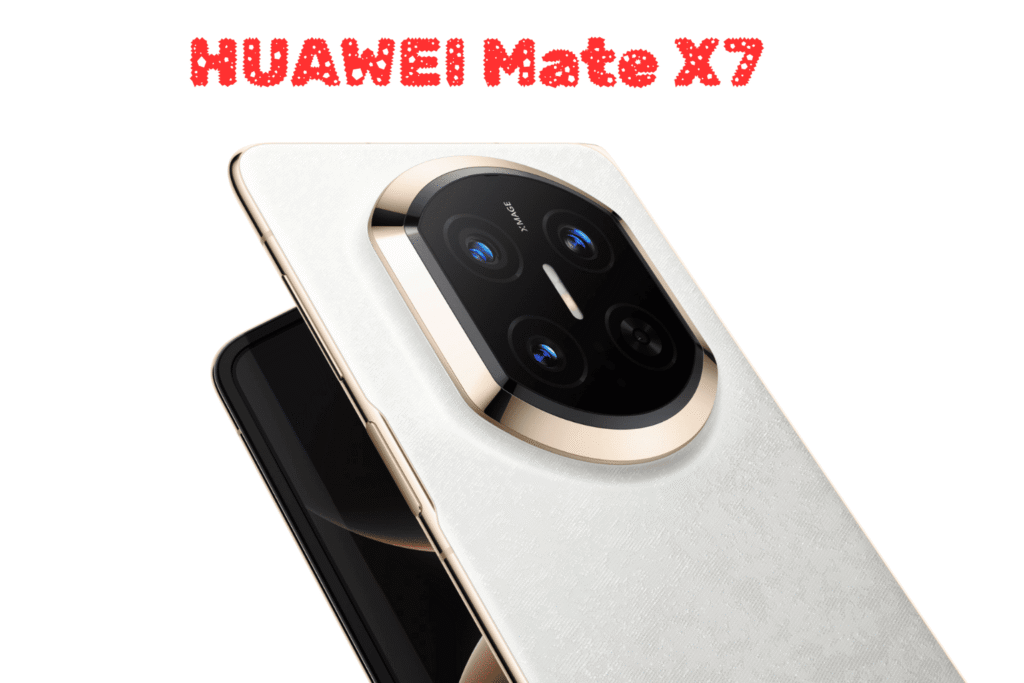
Huawei Mate X7 rear camera design with quad-camera module and premium white finish

Huawei Mate X7 has officially launched globally, expanding Huawei’s foldable lineup with a refined design and flagship hardware. Powered by the Kirin 9030 Pro and packed with premium specifications, the Mate X7 targets the high-end foldable smartphone segment worldwide. Huawei Mate X7 Foldable Design and Build Quality The Huawei Mate X7 uses an inward-folding design, opening into a tablet-like form factor while remaining slim when folded. When closed, the phone measures 9.5 mm, and when unfolded, it thins down to just 4.5 mm, making it one of Huawei’s slimmest foldables so far. Huawei’s global model features premium materials, including a nano-fiber Brocade White finish and vegan leather on darker variants. It uses a reinforced hinge for durability, Crystal Armor Kunlun glass on the outer display, and an ultra-thin glass inner screen with a multi-layer composite structure. The Mate X7 also carries IP58/IP59 water and dust resistance, a rare feature in foldable smartphones. Huawei Mate X7 Dual OLED Displays Inner Display: 8.0-inch OLED 2416 × 2210 resolution Adaptive 1-120 Hz refresh rate LTPO 2.0 technology 1440 Hz PWM dimming Cover Display: 6.49-inch OLED 2444 × 1080 resolution Adaptive 1–120 Hz refresh rate Both screens get very bright, show rich colors, and adjust their refresh rate smoothly to save battery. This makes the phone great for multitasking, watching videos, and getting work done. Kirin 9030 Pro Performance The Mate X7 is powered by Huawei’s Kirin 9030 Pro chip, made on a modern 5 nm process. It uses a mix of fast and power-saving cores along with a Mali-G77 GPU and a dedicated AI engine. In tests, it scores about 1.7 million on AnTuTu and over 4,200 in Geekbench multi-core. Huawei says the chip works closely with HarmonyOS to keep everyday performance smooth and efficient, not just strong on paper. The global Mate X7 is available in a single premium configuration with 16 GB of LPDDR5 RAM and 512 GB of fast UFS 3.1 storage.  Huawei outfits the Mate X7 with a triple-camera setup based on RYYB sensor technology, led by a 50 MP main camera with optical image stabilization and a variable aperture. It also includes a 40 MP ultra-wide camera and a 50 MP telephoto macro lens offering around 3.5× optical zoom with OIS. For selfies and video calls, there are two 8 MP front cameras one on the outer screen and one on the inner display. The system supports advanced HDR photos and 4K video recording with AI-powered stabilization. Despite its slim design, the device packs a large 5,600 mAh battery, which is among the biggest in the foldable segment. It supports 66 W fast wired charging, 50 W wireless charging, and reverse wireless charging, making it easy to last a full day with quick recharges when needed. For connectivity, the global model supports 4G LTE with wide band coverage, along with Wi-Fi 6/6E, Bluetooth 6.0, NFC, and a USB-C port with DisplayPort support. However, it does not offer 5G, which continues to be a limitation for Huawei’s global smartphones. The Mate X7 runs HarmonyOS 6.0 in global markets. The OS is designed to take advantage of the foldable form factor, offering improved multitasking, split-screen layouts, and system-level AI optimizations tied to the Kirin chipset.

Huawei Mate X7 Launches Globally With a New Foldable Design, Kirin 9030 Pro, and Full Specifications Read More »

At Express Coverage 24, we bring you the latest in technology, gadgets, and digital trends all in one place. From in depth reviews and expert insights to breaking tech news, our goal is to keep you informed and ahead in the fast moving world of innovation. Whether you are a tech enthusiast or just curious about the next big thing, we deliver reliable, easy to read articles that matter.

Content Transparency

At Express Coverage 24, we value honesty, accuracy, and trust. Every article, review, and news update published on our platform is created with thorough research and a commitment to providing reliable information. We do not promote products or technologies without careful evaluation, and whenever opinions are shared, they are clearly marked as such. Our mission is to keep our readers informed with unbiased, fact-based content while being transparent about our sources, partnerships, and review processes.