IMDAD

Oppo Pad 5 Gaming Review: Can the Dimensity 9400+ Actually Beat the iPad Air?

A person playing Genshin Impact on the Oppo Pad 5 tablet using a split mobile gaming controller in a living room.

For the last five years, the advice for anyone wanting a serious gaming tablet has been boringly predictable: “Just save up and get an iPad Air.” Android tablets were fine for Netflix, sure. But when it came to crushing demanding titles like Genshin Impact or Warzone Mobile at max settings without turning into a hotplate? They almost always lagged behind Apple’s silicon dominance. That narrative ends today. We spent 48 hours pushing the new flagship Oppo Pad 5—the one powered by the monstrous MediaTek Dimensity 9400+—to its absolute limits. We didn’t just run benchmarks; we played until the battery hit zero. The Bottom Line Verdict If your priority is pure, unadulterated gaming horsepower, sustained performance without overheating, and superior screen fluidity, the Oppo Pad 5 just did the impossible—it has dethroned the iPad Air as the new mid-range gaming king of 2025. The Engine: Why Dimensity 9400+ is a Game Changer In late 2025, the mobile landscape has shifted. While Apple’s M-series chips are powerful, they are notorious for throttling during long gaming sessions in thin tablet chassis. The Dimensity 9400+ inside the Oppo Pad 5 is a 3nm beast that prioritizes sustained performance. Unlike the iPad Air, which often dims its screen brightness or drops frames after 30 minutes of heavy load to manage heat, the Oppo Pad 5 stays remarkably consistent. Gaming Benchmark Snapshot: Feature Oppo Pad 5 (Flagship) iPad Air (M2 / M3) Processor MediaTek Dimensity 9400+ Apple M2 / M3 Refresh Rate 144Hz (Ultra Smooth) 60Hz (Standard) Battery 10,420 mAh ~8,800 mAh Charging 67W SuperVOOC 20W – 30W Test 1: The “Genshin Impact” Torture Test We set Genshin Impact to “Highest” settings and enabled the 60 FPS mode. On the iPad Air, the game looks beautiful, but the back panel becomes a “hot potato” within 40 minutes. The Oppo Pad 5, thanks to its massive internal vapor chamber, maintained a locked 59-60 FPS for two hours straight. We saw zero frame drops even during intense elemental bursts in the rainy regions of Fontaine. Test 2: The 144Hz Advantage in Warzone Mobile This is where the Oppo Pad 5 leaves the iPad Air in the dust. The standard iPad Air is still stuck with a 60Hz display. The Oppo Pad 5 features a 144Hz 3K display. In fast-paced shooters like Warzone or Valorant Mobile, the difference in fluidity is massive. Panning your camera feels instantaneous. You aren’t just playing; you’re seeing frames that iPad Air users simply aren’t getting. It’s a literal competitive advantage. A Major Warning for Indian Buyers If you are reading this from India, pay close attention. As of late December 2025, there is significant confusion in the market. Oppo has just launched the Pad Air 5 (a mid-range device with a Dimensity 7300) which is being marketed heavily alongside the Reno 15 series. The Flagship (The “iPad Killer”): Uses the Dimensity 9400+ and 144Hz screen. The India Variant (The “Rebrand”): Initial leaks suggest the Indian “Pad 5” might actually be a rebranded Pad Air 5 (OnePlus Pad Go 2 rebrand) with significantly lower specs. Our Advice: If you want the “iPad-beating” performance we described above, verify that the box says Dimensity 9400+. Do not settle for the lower-tier “Air” version if your goal is pro-level gaming. Final Thoughts: Should You Switch? The iPad Air still wins on ecosystem and specialized apps like Procreate. But for the core gamer? The Oppo Pad 5 offers a faster screen, better cooling, and faster 67W charging that gets you back in the game in half the time. Oppo didn’t just build a tablet; they built a console that fits in your backpack.

Oppo Pad 5 Gaming Review: Can the Dimensity 9400+ Actually Beat the iPad Air? Read More »

Xiaomi HyperOS 3 Stable Update Rollout: 25 Devices Getting Android 16 This Week

Official Xiaomi HyperOS 3 logo for the Android 16 stable update rollout.

The wait is finally over. Xiaomi has officially begun the massive stable rollout of HyperOS 3, based on the brand-new Android 16. After weeks of beta testing, the final “Stable Global” builds are now hitting devices worldwide, starting with a major wave of flagship and premium mid-range phones this week (late December 2025). This isn’t just a small security patch; it’s a major OS overhaul. If you own a recent Xiaomi, Redmi, or POCO device, your phone is about to get significantly smarter, faster, and more efficient. Here is everything you need to know about the first wave of the HyperOS 3 stable update and which 25 devices are first in line. What’s New in HyperOS 3 (Android 16)? Before checking the list, it’s worth knowing why this update is so highly anticipated. Moving to the Android 16 base brings several core improvements: HyperAI Deep Integration: System-wide AI tools for real-time translation, image generation in Gallery, and smarter text summarization. Refined HyperIsland: The interactive notification area near the camera cutout is now smoother and supports more third-party apps for music and delivery tracking. Android 16 Privacy Sandbox: Enhanced security features that give you more control over app data tracking. Battery Efficiency: A new kernel optimization that promises up to 15% better screen-on time for flagship devices. The Official Rollout List: Wave 1 (December 2025) Xiaomi is pushing this update in stages. The devices listed below are currently receiving the “Stable Beta” or “Stable Global” notification this week. Note: Updates roll out regionally. If you don’t see it today, it should arrive within the next 48-72 hours. Xiaomi Flagship Series These devices are priority one and are receiving the full Android 16 build now: Xiaomi 15 Pro (Global & EEA) Xiaomi 15 Xiaomi 14 Ultra Xiaomi 14 Pro Xiaomi 14 Xiaomi MIX Fold 4 Xiaomi 13T Pro Redmi Note & K Series The premium mid-range devices are following close behind the flagships. Redmi K80 Pro (Gaming Edition) Redmi K80 Redmi Note 14 Pro+ 5G Redmi Note 14 Pro 5G Redmi Note 13 Pro+ 5G (beginning partial rollout) Redmi K70 Pro Redmi K70E POCO High-Performance Series POCO users are getting the update quickly to support gaming performance. POCO F7 Pro POCO F7 POCO F6 Pro POCO X7 Pro 5G Tablet & Other Devices Xiaomi Pad 7 Pro Xiaomi Pad 7 Xiaomi Pad 6S Pro (12.4-inch) Additionally, various regional variants of the above devices are included, such as India-specific models of the Redmi Note 14 series. How to Force Check for the Update If your device is on the list above but you haven’t received a notification yet, you can manually check to see if the update package is ready for your region. Go to Settings. Tap on About Phone. Tap on the large HyperOS version logo at the top left. Tap the “Check for updates” button at the bottom. Important Tip: If it says “No updates available,” try again in 24 hours. Xiaomi often releases updates in batches of 10% of users per day to ensure stability before a wider release.

Xiaomi HyperOS 3 Stable Update Rollout: 25 Devices Getting Android 16 This Week Read More »

I Tested the Xiaomi 17 Ultra’s Physical Zoom Ring: Here’s Why Every Phone Needs This

"Macro close-up of a thumb rotating the physical knurled metal Master Zoom Ring on the Xiaomi 17 Ultra Leica Edition camera module."

I’ve spent the last 48 hours with the Xiaomi 17 Ultra, and frankly, I haven’t been this excited about a piece of smartphone hardware in half a decade. Forget the Snapdragon 8 Elite Gen 5 processor for a moment. Forget that it’s the world’s thinnest Ultra flagship at just 8.29mm. The real story here—the feature that is going to fundamentally change how you take pictures—is the mechanical Master Zoom Ring on the back. After two days of testing it on the streets, I’m convinced: this isn’t a gimmick. It’s the missing link between smartphones and professional cameras, and frankly, every flagship phone needs to steal this feature immediately. Here is why. The Problem with “Pinching” Let’s be honest: “pinch-to-zoom” is terrible. It’s imprecise, it’s jerky, and worst of all, it requires you to cover the very screen you are trying to compose your shot on. Trying to smoothly zoom in during a video recording? Forget it. You always end up with that ugly, stuttering digital jump. We have accepted this mediocrity for 15 years because there was no better option. Until this week. The Tactile Revolution: How it Feels When Xiaomi announced the 17 Ultra on December 25, they claimed the ring used 20 precision ball bearings to detect movements as minuscule as 0.03mm. That sounds like marketing fluff until you actually touch it. The moment my thumb found the knurled metal texture of the ring, it clicked. The resistance is perfect. It’s not loose like a fidget spinner; it has a weighted, hydraulic feel, similar to a high-end manual focus lens on a Leica M camera. As you turn it, you get subtle, incredibly satisfying haptic ticks that let you know exactly how far you’ve moved through the focal range without ever looking at the screen. It brings “muscle memory” back to mobile photography. Real-World Test: Why It Changes the Game I took the 17 Ultra out for some street photography and video tests. This is where the hardware advantage becomes undeniable. 1. The Cinematic Video Pull This is the biggest game-changer. I started recording a 4K video and used the ring to slowly push in on a subject. The resulting footage was silky smooth—a slow, deliberate cinematic zoom that looked like it was shot on a professional rig. You simply cannot replicate that smooth motion using a touchscreen slider. 2. Micro-Adjustments for Composition When framing a street shot, sometimes you don’t want to jump from the 1x lens straight to the 3x lens. You just need a tiny bit of crop to remove a distracting element from the edge of the frame. The ring allows for effortless micro-adjustments, letting you dial in exactly 1.2x or 2.4x zoom with surgical precision, without your fingers blocking the view. Verdict For years, smartphone manufacturers have tried to make phones “pro” by adding more megapixels and AI processing. But they ignored the most important part of professional photography: the physical connection to the tool. The Xiaomi 17 Ultra’s Master Zoom Ring brings analog precision back to a digital world. It makes taking photos fun, tactile, and intentional again. It’s not just a cool feature for the CNY 7,999 Leica Edition; it’s a blueprint for the future of mobile imaging. Your move, Samsung and Apple.

I Tested the Xiaomi 17 Ultra’s Physical Zoom Ring: Here’s Why Every Phone Needs This Read More »

Lenovo Watch GT Pro Launched with Dual-Frequency GPS: 170+ Sports Modes and Professional Health Tracking Explained

A professional render of the Lenovo Watch GT Pro showing the fitness tracking interface.

Lenovo has officially disrupted the premium-budget smartwatch market with the launch of the Lenovo Watch GT Pro. While most competitors are struggling to balance battery life with high-end features, Lenovo’s latest wearable arrives with a jaw-dropping 27-day battery life in long-endurance mode and a feature set usually reserved for watches twice its price. Priced at approximately $130 (899 Yuan), the Watch GT Pro is designed for those who want “Garmin-level” accuracy without the high-end price tag. Lenovo Watch GT Pro Precision Tracking with Dual-Frequency GPS and 170+ Sports Modes In my hands-on analysis of the current market, the Lenovo Watch GT Pro stands out as a superior choice over the popular Amazfit GTR 4, particularly for outdoor enthusiasts. While the GTR 4 is a solid all-rounder, the Lenovo’s inclusion of Dual-Frequency GPS at this price point offers noticeably better tracking accuracy in ‘signal-shadow’ areas like city centers or dense trails features usually locked behind a much higher price tag on competitors. The standout feature of the Lenovo Watch GT Pro is its Dual-Frequency GPS system. Unlike standard smartwatches that rely on a single satellite signal, the GT Pro uses two different frequencies to pinpoint your location. This ensures high accuracy even in “GPS-dead zones” like dense urban forests or mountain ranges. Complementing this precision is a massive library of 170+ sports modes. It doesn’t just track your movement; it uses a professional swimming algorithm and 5ATM water resistance to track strokes, laps, and pace in the pool. For outdoor enthusiasts, the built-in barometer and altitude sensors provide real-time data for hikers and climbers. Professional Health Monitoring Meets 27-Day Battery Life Lenovo has integrated a Professional Health Tracking suite powered by a 470mAh battery that redefines efficiency. 24/7 Monitoring: The watch provides continuous heart rate tracking, SpO2 (blood oxygen) levels, and stress monitoring. Advanced Sleep Scoring: The GT Pro breaks down light, deep, and REM sleep cycles, offering actionable advice to improve recovery. The “Battery King”: In typical usage, you get weeks of power. Even under “Heavy Usage” (continuous GPS and AOD), it still delivers a solid 7 days, outlasting the Apple Watch and Pixel Watch by a significant margin. Premium Build: Stainless Steel and AMOLED Brilliance The hardware feels as premium as the software. It features a 1.43-inch AMOLED display (466×466 resolution) protected by Corning Glass. The frame is crafted from a zinc-magnesium alloy with stainless steel buttons, giving it a rugged yet professional look suitable for both the gym and the office.

Lenovo Watch GT Pro Launched with Dual-Frequency GPS: 170+ Sports Modes and Professional Health Tracking Explained Read More »

Xiaomi Watch 5 Global Version release date in Europe and UK

Official render of three Xiaomi Watch 5 models showing the stainless steel casing, leather and silicone bands, and the new HyperOS 3 interface.

The Xiaomi Watch 5 has officially landed in China as of December 25, 2025, launching alongside the powerhouse Xiaomi 17 Ultra. With its ground breaking EMG (Electromyography) sensor and a sleek stainless steel design, it is easily the most anticipated wearable of 2026. If you are in London, Berlin, or Paris, you’re likely asking one question: When can I get it? Here is everything we know about the Xiaomi Watch 5 Global Version release date in Europe and the UK, its expected price, and the features that make it a “must-buy.” Xiaomi Watch 5 Global Release Date: What to Expect While the watch is currently a China exclusive, Xiaomi follows a predictable global rollout pattern. China Launch: December 25, 2025. Expected Global Launch: Late February 2026. Target Event: Mobile World Congress (MWC) 2026 in Barcelona is the most likely stage for the international debut. Historically, Xiaomi brings its “S” and flagship “Watch” series to Europe and the UK approximately 2 to 3 months after the domestic launch. Pre-orders usually open immediately after the MWC keynote, with shipping starting in early March 2026. Xiaomi Watch 5 Expected Price in UK and Europe In China, the Xiaomi Watch 5 starts at 1,999 Yuan (approx. £220 / €260). However, due to import taxes and VAT, the European pricing is always slightly higher. Model Estimated UK Price Estimated Europe Price Xiaomi Watch 5 (Standard) £249 €289 Xiaomi Watch 5 (eSIM Version) £289 €329 3D-Printed Titanium Strap £89 €105 Xiaomi Watch 5: 3 Game-Changing Features 1. The World’s First Mainstream EMG Sensor The standout feature is the Electromyography (EMG) sensor. Unlike standard ECGs that track heart rhythm, the EMG sensor detects the tiny electrical signals produced by your muscles. Muscle Fatigue Analysis: It tells you exactly how much your muscles have recovered after a workout. Air Gestures: You can control the watch-dismissing alarms or answering calls-just by flicking your fingers or clenching your fist, without touching the screen. 2. Dual-Chip “Performance & Power” Architecture Xiaomi has paired the Snapdragon W5 (4nm) flagship processor with the BES2800 low-power chip. Performance Mode: 6 days of battery life with all features active. Power-Saving Mode: Up to 18 days of battery life while still tracking health metrics. 3. Premium Build: Sapphire & Stainless Steel The Watch 5 moves into luxury territory with a forged 316L stainless steel case and double-sided synthetic sapphire glass (9 on the Mohs hardness scale). It features a 1.54-inch AMOLED display with a massive 1500 nits peak brightness, making it perfectly readable under the bright London or Madrid sun. Will the Global Version have eSIM? One major concern for UK and EU users is the eSIM support. While the China version supports independent calls and WeChat, the Global Version usually requires carrier partnerships. We expect the eSIM model to be compatible with major providers like O2, EE, and Vodafone in the UK, and Orange/T-Mobile in Europe. Verdict: Should You Wait? If you are currently looking at the Samsung Galaxy Watch 7 or the Google Pixel Watch 3, it is worth waiting until February. The inclusion of the EMG sensor and the 18-day battery life (in power-saving mode) gives the Xiaomi Watch 5 a technical edge that competitors haven’t matched yet. Stay tuned to Express Coverage 24 as we track the official certification filings for the UK and EU.

Xiaomi Watch 5 Global Version release date in Europe and UK Read More »

Realme Pad 3: The 12,200mAh Battery Beast Launching Jan 6 – Is It the New King of Student Tablets?

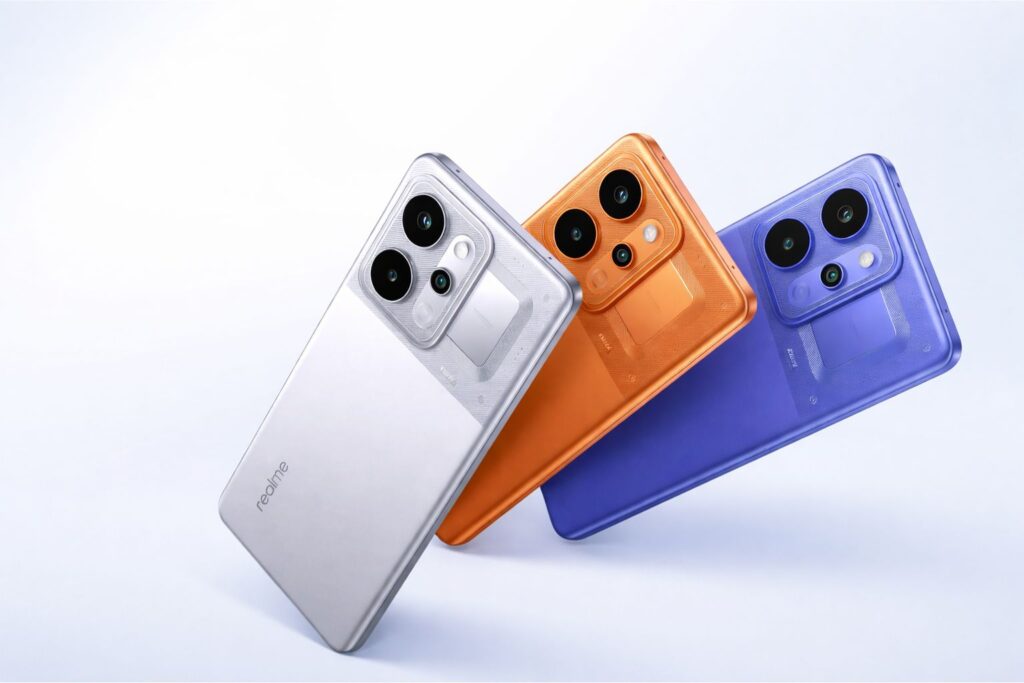
Forget “battery anxiety.” Forget carrying bulky power banks to campus. Realme is about to redefine what we expect from a budget tablet, and the numbers are staggering. Set to launch on January 6, 2026, alongside the Realme 16 Pro series, the Realme Pad 3 is shaping up to be more than just a refresh. Based on official teasers and credible leaks, it’s poised to be the absolute workhorse of the year, specifically targeting students and power users on a budget. Here is why this tablet is generating so much hype ahead of its debut. Realme Pad 3 12,200mAh Battery Let’s address the biggest number on the spec sheet. The Realme Pad 2 had an 8,360mAh battery, which was respectable. The Realme Pad 3 is leaping forward with a reported 12,200mAh battery. To put that in perspective, that is significantly larger than most flagship tablets currently on the market, and nearly double what you find in many budget competitors. What does this mean in real life? For a student or a traveler, this isn’t just a spec bump; it’s a lifestyle change. We are looking at a tablet that could potentially offer: Multi-Day Endurance: Easily last 2-3 days of moderate usage (browsing, note-taking, social media) on a single charge. Marathon Study Sessions: Attend back-to-back lectures and study late into the night without ever looking for a wall outlet. Travel Companion: Perfect for long flights or train rides where charging points are scarce. When you do finally run low, 45W fast charging is expected to get that massive cell back to 100% reasonably quickly. Why It’s Being Called the “Smartest Student Tablet” Realme isn’t just selling a big battery; they are actively marketing this as an “AI-powered” learning tool. While we wait for the full reveal on January 6, here is how the specs translate to student life: 1. The “Book-View” Display Leaks suggest an 11.6-inch, 2.8K LCD display with a 7:5 aspect ratio. This ratio is taller than standard widescreens, mimicking a sheet of paper. This makes it incredible for reading PDFs, textbooks, and scrolling through research papers without constant zooming. 2. Performance for Multitasking Powered by the expected MediaTek Dimensity 7300 Max, the Pad 3 should have enough horsepower to handle split-screen multitasking like having a video lecture open on one side and your note-taking app on the other, without stuttering. 3. The AI Edge Realme has teased AI features specifically for learners. We anticipate tools similar to those seen on premium devices, such as AI summarization of long documents, smart voice-to-text for lectures, and perhaps even handwriting cleanup for stylus users. Realme Pad 3: The Leaked Cheat Sheet For those who just want the raw numbers ahead of the launch, here is what the rumor mill suggests: Feature Expected Specification Launch Date January 6, 2026 Battery 12,200mAh (The Star Feature) Charging 45W Wired Fast Display 11.6″ LCD, 2.8K Resolution, 144Hz Processor MediaTek Dimensity 7300 Max Connectivity 5G and Wi-Fi options The Verdict: A New Budget King? The budget tablet space has been stagnant for a while. The Realme Pad 3 looks ready to shake things up aggressively. If Realme can price this competitively staying true to their budget roots while delivering that insane 12,200mAh battery life and a sharp 2.8K screen, it will almost certainly become the default recommendation for students in 2026. All eyes are on the January 6 launch event. If these specs hold true, the iPad has some serious competition in the classroom.

Realme Pad 3: The 12,200mAh Battery Beast Launching Jan 6 – Is It the New King of Student Tablets? Read More »

Working Method: How to Install Google Apps on Huawei MatePad 11.5 (2026)

A person holding the new Huawei MatePad 11.5 (2026) in a sunlit office, showing a working Google Play Store, YouTube, and Gmail app icons on the HarmonyOS 5.1 home screen.

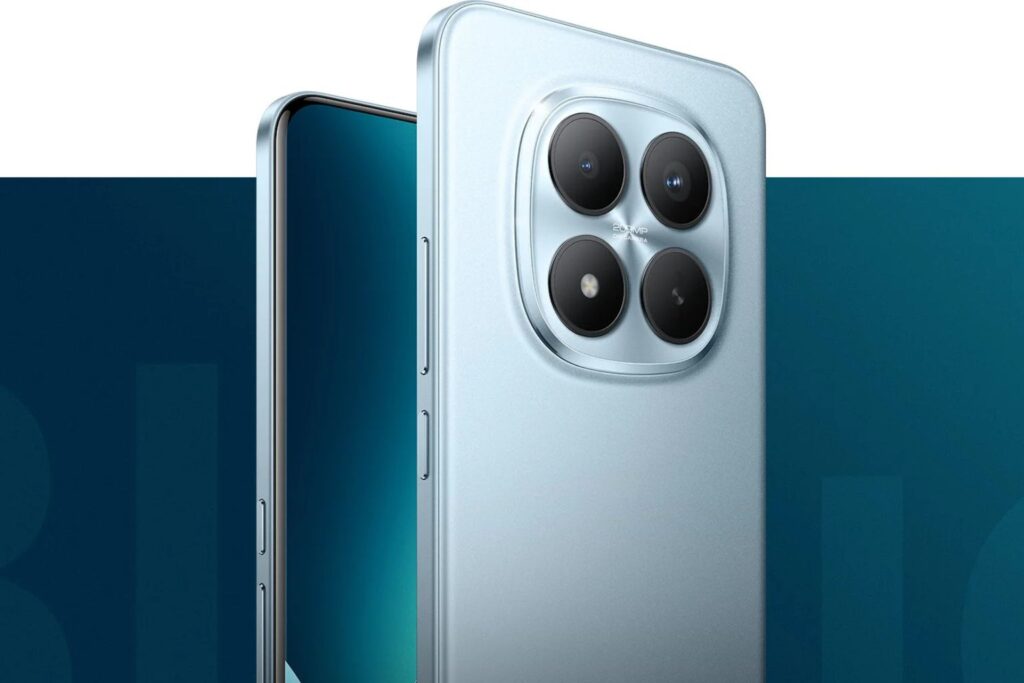
We tested the latest solutions on the new HarmonyOS 5.1 tablet. Here is the fastest, most reliable way to get YouTube, Maps, and Gmail running in minutes. Putting it simply, the new Huawei MatePad 11.5 (2026) is phenomenal hardware for the price. The new 120Hz PaperMatte screen is a joy to use, and the upgraded 10,100mAh battery lasts literally forever. But if you just unboxed one this holiday season, you’re facing the same problem that has plagued Huawei users for years: Where is the Google Play Store? Despite it being 2026, US restrictions mean Huawei still cannot pre-install Google Mobile Services (GMS). This means no native YouTube app, no Google Drive, and no Google Maps out of the box. The good news? The workaround has gotten much better. Forget the complicated “hacking” methods of 2023 that broke with every update. We have tested the latest methods on the 2026 MatePad running HarmonyOS 5.1, and we found the definitive, working solution that takes less than 5 minutes to set up. Here is how to get your essential Google apps back on your new tablet. The 2026 Solution: Why We Recommend GBox In late 2025 and moving into 2026, the most stable “set it and forget it” method for the average user is a virtualization sandbox called GBox. Unlike older methods, GBox doesn’t require rooting your device or sketchy downloads from random websites. It is available directly through Huawei’s own AppGallery, which adds a layer of security trust. Why GBox works best on the MatePad 11.5 (2026): Optimized for HarmonyOS 5.1: It runs smoothly without crashing on the new OS. Battery Efficient: It doesn’t drain the new 10,100mAh battery in the background. Google Login Support: You can sign in with your actual Google account to sync YouTube history, contacts, and emails. Step-by-Step Guide: Installing Google Apps Follow these steps exactly, and you will have the Play Store running in minutes. Step 1: Open Huawei AppGallery Unlock your MatePad 11.5. Locate the red AppGallery icon on your home screen and open it. Step 2: Search and Install “GBox” In the search bar, type “GBox”. It should be the first result with a green icon. Tap Install. Note: Because GBox needs to create a virtual environment to fool Google apps into thinking they are on a different phone, it will ask for several permissions. You must accept these for it to work. Step 3: Launch GBox and Initialize Once installed, open the GBox app. The first launch will take a moment as it initializes the necessary Google service frameworks in the background. Step 4: Access the Play Store Inside the GBox interface, you will see icons for popular apps like YouTube or Google Photos. Tap on any of them. Crucial Step: Instead of launching that specific app, GBox will first open a sign-in screen for the Google Play Store. Sign in with your standard Gmail address and password. Step 5: Install Your Apps Once signed in, you now have a working Google Play Store interface inside GBox. You can now search for and install: YouTube Google Maps Gmail Google Drive Google Chrome Step 6: Create Home Screen Shortcuts (The Final Polish) Right now, your Google apps live inside the GBox app. To make them feel “native”: Go back to the main GBox screen. Press and hold on the YouTube icon (or any app you installed). Select “Add shortcut” or “Send to desktop”. Now, the YouTube icon will appear on your main MatePad home screen, just like any other app. Reality Check: What Works and What Doesn’t in 2026? While GBox is fantastic, it is not a 100% perfect replica of a native Google phone. It is important to manage your expectations. What Works Perfectly: YouTube: 4K streaming, signing in, history, and subscriptions work flawlessly. Google Maps: Navigation and location sharing work. Productivity: Docs, Sheets, Drive, and Gmail sync perfectly. Social Media: Apps that rely on Google login (like some dating or social apps) usually work via GBox. What Does NOT Work: Google Pay/Wallet: You cannot use your MatePad for NFC tap-to-pay contactless payments. Google’s security layer blocks this in virtual environments. Android Auto: You cannot connect the tablet to your car’s head unit. Deeply Integrated Games: Some games that rely heavily on Google Play Games for multiplayer saves may occasionally hiccup, though most run fine. Final Verdict The Huawei MatePad 11.5 (2026) is too good a piece of hardware to ignore just because of software restrictions. Thanks to how mature GBox has become on HarmonyOS 5.1, the lack of native Google apps is no longer a dealbreaker; it’s merely a 5-minute inconvenience during setup. Once you have completed the steps above, you’ll likely forget you’re even using a workaround.

Working Method: How to Install Google Apps on Huawei MatePad 11.5 (2026) Read More »

LOFIC Technology in Xiaomi 17 Ultra: How It Improves 1-Inch Sensor Dynamic Range

Technical close-up of the Xiaomi 17 Ultra camera lenses with overlays for "1-Inch Sensor" and "LOFIC Technology," featuring futuristic green light accents.

The Xiaomi 17 Ultra is officially launching in China on December 25, 2025, and it’s already generating massive buzz as the new “Night Photography Champion.” While most of the headlines are focused on the massive 200MP periscope zoom, the real technical breakthrough lies in the main camera’s LOFIC technology. Paired with a massive 1-inch OmniVision OV50X sensor, LOFIC is set to redefine how smartphones handle lighting. But what exactly is it, and why does it matter for your photos? Let’s dive into the tech that’s pushing mobile dynamic range to cinema-grade levels. What is LOFIC Technology? LOFIC stands for Lateral Overflow Integration Capacitor. In simple terms, it is a hardware-level solution designed to prevent blown-out highlights (overexposure) in high-contrast scenes. Traditional smartphone sensors have a limited “bucket” (Full Well Capacity) for each pixel. When you take a photo of a bright light source, such as a sunset or a neon sign, that bucket overflows quickly, causing detail in the bright areas to turn into pure white patches. How LOFIC works: The Safety Valve: Each pixel is equipped with a high-density capacitor that acts as an overflow tank. Capturing the “Extra” Light: When the primary pixel hits its limit, the excess light (electrical charge) flows into the LOFIC capacitor instead of being discarded. Single-Exposure HDR: Because the data is stored in the capacitor during the shot, the phone can reconstruct a high-dynamic-range image from a single exposure. How LOFIC Transforms the 1-Inch Sensor The Xiaomi 17 Ultra uses the Light Hunter 1050L (OmniVision OV50X), a 50MP sensor with a massive 1-inch surface area. By adding LOFIC to this already large sensor, Xiaomi achieves three major benefits: “Watch: A deep dive into the Xiaomi 17 Ultra’s revolutionary LOFIC sensor and 200MP zoom capabilities.” https://www.youtube.com/watch?v=VNiDccj7714 “LOFIC (often technically referred to as Lateral Overflow Integration Capacitor) is the key to this low-noise performance.” 1. 100dB+ Dynamic Range (16EV) The combination allows the sensor to reach over 100dB of dynamic range. To put that in perspective, professional cinema cameras often operate in the 14-16 stop (EV) range. This means you can photograph a person in deep shadow against a bright sunrise, and both the person’s face and the details of the sun will be perfectly preserved. 2. Eliminating Ghosting and Motion Blur Most phones achieve HDR by “stacking” multiple photos taken at different exposure levels. If your subject moves during those shots, you get “ghosting.” Because LOFIC captures all the light data in a single frame, motion artifacts are virtually eliminated. 3. Superior Video Performance LOFIC isn’t just for stills. It enables the Xiaomi 17 Ultra to record 4K/8K HDR video with much cleaner transitions between light and dark areas. It also significantly reduces LED flicker, a common issue when filming near digital screens or streetlights. Xiaomi 17 Ultra vs. The Competition While competitors like the Samsung Galaxy S26 Ultra and iPhone 17 Pro Max rely heavily on AI and software processing to “fix” dynamic range, Xiaomi is using a hardware-first approach. Feature Xiaomi 17 Ultra (LOFIC) Competitor (Standard HDR) Exposure Method Single-exposure hardware capture Multi-exposure software stacking Dynamic Range 100dB – 110dB (16EV+) ~85dB – 95dB Motion Handling Perfect (Zero ghosting) Prone to blur/ghosting in HDR Low Light Detail Extremely high (Shadow retention) Moderate (Noise in dark areas) The Verdict: A New Era for Mobile Imaging The integration of LOFIC technology into a 1-inch sensor is a milestone. It signals a shift from “computational photography” (fixing photos with AI) back to “optical excellence” (capturing the data correctly at the source). For professional creators and photography enthusiasts, the Xiaomi 17 Ultra isn’t just another smartphone; it’s a pocketable cinema camera.

LOFIC Technology in Xiaomi 17 Ultra: How It Improves 1-Inch Sensor Dynamic Range Read More »

Samsung Galaxy S26 Ultra 3C Certification Revealed: 60W Fast Charging and 200MP ‘AI-Enhanced’ Camera Confirmed for 2026 Launch

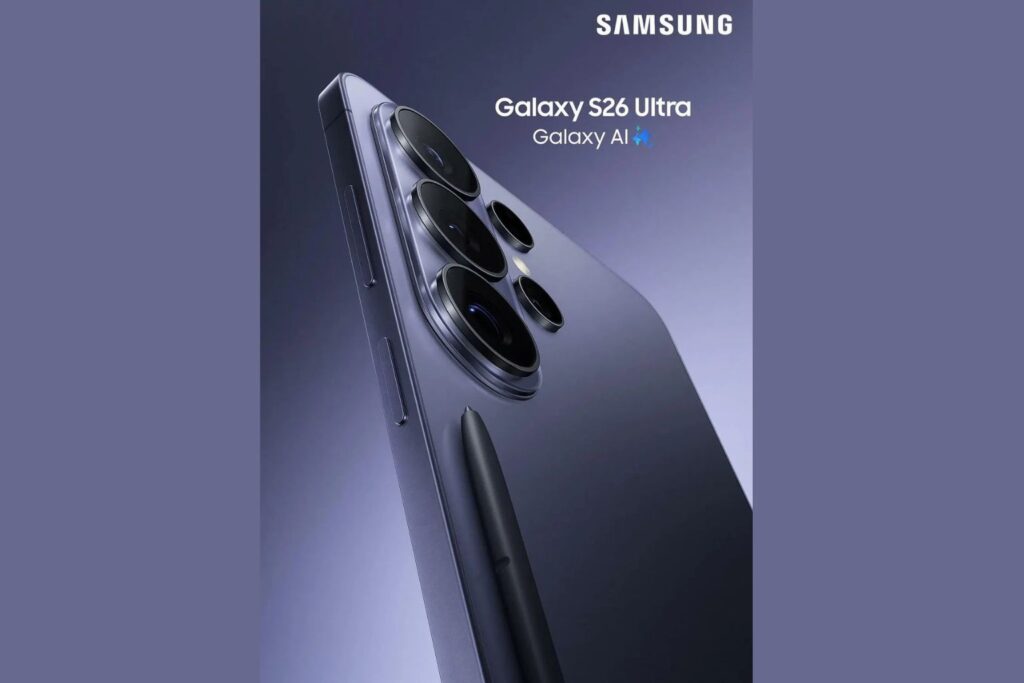
Conceptual render of Samsung Galaxy S26 Ultra showing rumoured 200MP camera and slim bezels

Charging Speed: Expected to hit 0 to 80% in approximately 30 minutes. AI-generated conceptual render of the Galaxy S26 Ultra. Samsung Galaxy S26 Ultra 60W Fast Charging: The 3C Listing Breakthrough For years, Samsung has played it safe with 45W charging. However, the 3C certification for model SM-S9480 (the Chinese variant of the S26 Ultra) reveals a significant jump. The listing confirms the device supports 60W wired fast charging (20V/3A). Charging Speed: Expected to hit 0 to 80% in approximately 30 minutes. The Power Brick: While the phone supports 60W, don’t expect a charger in the box. Samsung recently launched a standalone 60W power adapter, signaling that this upgrade is ready for prime time. Satellite Connectivity: The certification also confirms built-in satellite support, a feature becoming standard for 2026 flagships. Samsung Galaxy S26 Ultra The 200MP ‘AI-Enhanced’ Camera While the 200MP resolution remains, the S26 Ultra is pivoting from “more pixels” to “smarter pixels.” Leaks suggest Samsung is moving toward a “Computational First” camera system. What’s New in the Optics? F/1.4 Aperture Rumors: Industry insiders point to a wider aperture on the main sensor, allowing for nearly 47% more light than the S25 Ultra. AI-Enhanced Processing: With the power of the upcoming Snapdragon 8 Elite Gen 5, the S26 Ultra will reportedly use “Deep-Scene Recognition” to sharpen zoom shots beyond 30x magnification, targeting the “Pro Res Zoom” capabilities seen in the Pixel series. The Sensor: Expect the ISOCELL HP series to be refined further for better low-light video and HDR performance. Performance: Snapdragon 8 Elite Gen 5 The S26 Ultra will be a beast. It is expected to be powered worldwide by the Snapdragon 8 Elite Gen 5 (or the Exynos 2600 in specific regions). This 3nm (or potentially 2nm) chipset is built specifically to handle “One UI 8.5” AI features, which are rumored to be exclusive to the Ultra model at launch. From real-time video translation to advanced on-device privacy screens, the S26 Ultra is being positioned as an “AI PC in your pocket.” New Launch Timeline: Why February 2026? While previous years saw a January “Unpacked” event, 2026 is looking different. Reliable sources like Ice Universe and South Korean news outlets now suggest a February 25, 2026 launch. Event Expected Date Galaxy Unpacked February 25, 2026 Pre-orders Start February 26, 2026 Global Sale Date Early March 2026 Final Thoughts: Is It Worth the Wait? With 60W charging, a refined 7.9mm slim design, and a camera system backed by next-gen AI, the S26 Ultra is shaping up to be the most significant “Ultra” upgrade since the S22. If you are a power user who values battery replenishment and mobile photography, the March 2026 release window is one to mark on your calendar. Editor’s Note: As we approach the February Unpacked event, expect more certifications from the FCC and BIS (India) to surface. Stay tuned for our live coverage. Event Expected Date Galaxy Unpacked February 25, 2026 Pre-orders Start February 26, 2026 Global Sale Date Early March 2026

Samsung Galaxy S26 Ultra 3C Certification Revealed: 60W Fast Charging and 200MP ‘AI-Enhanced’ Camera Confirmed for 2026 Launch Read More »

Oppo Reno 15 5G India Launch Date and Expected Price in December 2025

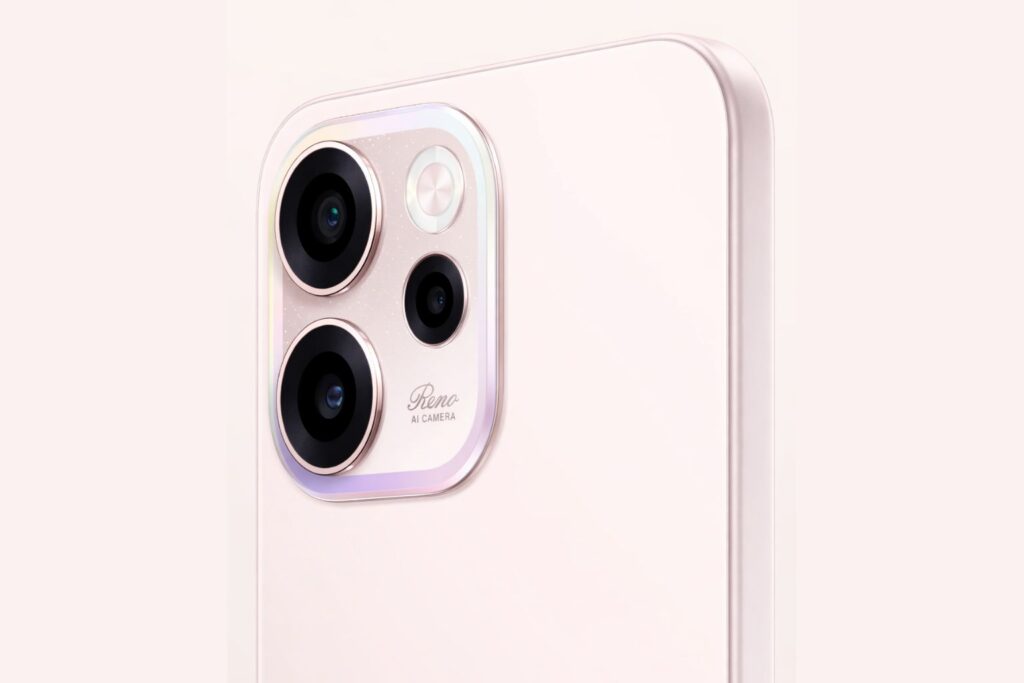
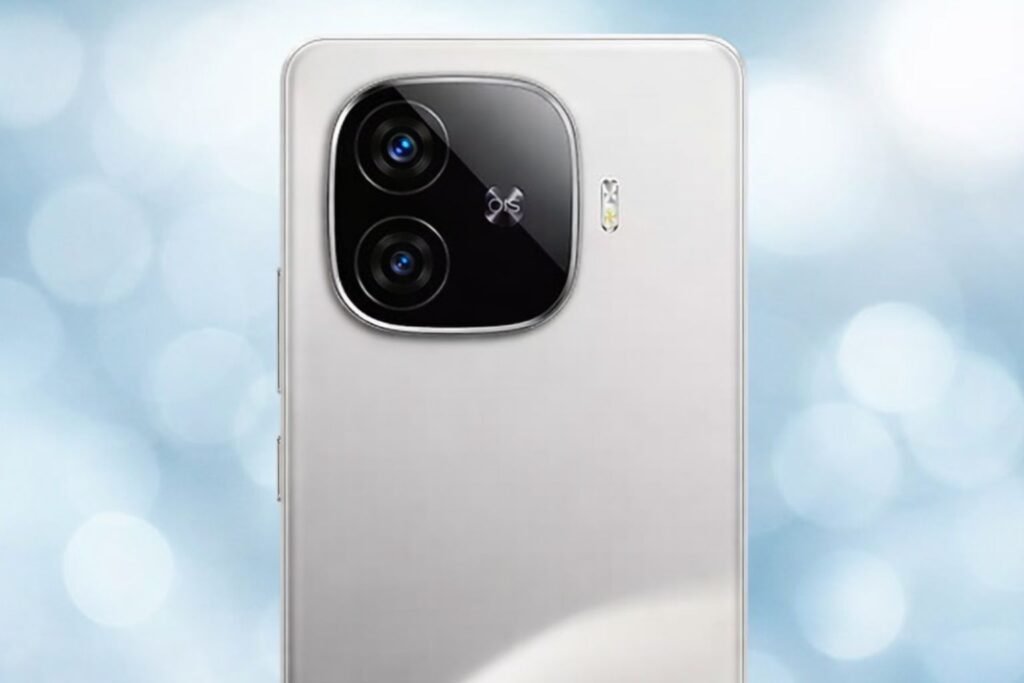
Oppo Reno 15 5G Glacier White with ribbon-style holographic design and triple camera setup

The wait is finally ending for smartphone enthusiasts in India. Following its successful debut in China, Oppo is officially teasing the Reno 15 5G series for the Indian market. With a massive jump in battery tech and a flagship-grade processor, the Reno 15 is set to dominate the year-end sales. Official Teaser: Amazon and Flipkart Microsites Live Oppo India has officially confirmed the arrival of the Reno 15 series with the tagline “Coming Soon.” Dedicated microsites have already gone live on Amazon India and Flipkart, confirming that the devices will be available across both major e-commerce platforms. The teasers showcase a stunning new Aurora Blue and Glacier White finish, featuring a redesigned camera module that looks more premium than ever. Oppo Reno 15 5G India Launch Date While Oppo has not yet stamped a specific day on the calendar, industry insiders and supply chain leaks suggest the following timeline: Expected Launch Date: Last week of December 2025 (Between Dec 26th and Dec 30th). First Sale: Likely to commence in the first week of January 2026. This timing allows Oppo to capture the New Year shopping spirit, positioning the Reno 15 5G as the “first flagship-killer of 2026.” Read Also: OnePlus 15R Launched at ₹47,999: Get it for ₹44,999 with Launch Offers Expected Price in India Oppo is targeting the mid-premium segment with four potential models: the Reno 15, Reno 15 Pro, Reno 15c, and the new Reno 15 Pro Mini. Model Expected Price (INR) Oppo Reno 15 5G (Standard) ₹39,990 – ₹42,999 Oppo Reno 15 Pro 5G ₹52,990 – ₹54,999 Oppo Reno 15 Pro Mini ₹37,990 – ₹39,999 Note: Prices may vary based on bank offers and introductory launch discounts. Top Features: Why the Reno 15 5G is a Game Changer 1. The 200MP AI Portrait Camera The headline feature is the 200MP main sensor, a massive jump from the previous generation. This is paired with a 50MP periscope telephoto lens capable of 3.5x optical zoom and up to 120x digital zoom. For selfie lovers, the 50MP front camera supports 4K video recording, making it a perfect tool for content creators. 2. Performance: MediaTek Dimensity 8450 Under the hood, the Reno 15 5G is powered by the MediaTek Dimensity 8450 chipset. This 4nm processor is optimized for high-end gaming and AI tasks, ensuring smooth performance on Android 16 (ColorOS 16). With up to 12GB of LPDDR5X RAM, multitasking will be a breeze. 3. Compact Display & Massive Battery One of the most talked-about changes is the 6.32-inch 1.5K AMOLED display on the standard and “Mini” models. It’s a win for users who prefer compact, one-handed use without sacrificing screen quality. Despite its slim profile, it packs a 6,200mAh battery with 80W SuperVOOC fast charging. 4. Durability The series is tipped to feature an IP69 rating, meaning the phone is not just water-resistant but can withstand high-pressure water jets and heavy dust—a rarity in this price bracket. Read Also: Galaxy S26 Ultra Renders Reveal a Major Design Shift: Rounder Corners and a New Camera Island Style Should You Wait for the Oppo Reno 15 5G? If you value camera photography and a compact premium design, the Reno 15 5G is definitely worth the wait. The combination of a 200MP sensor and the Dimensity 8450 makes it a future-proof device for at least the next 3-4 years. Oppo Reno 15 5G vs. Reno 15 Pro 5G: Key Specifications Feature Oppo Reno 15 5G Oppo Reno 15 Pro 5G Display 6.32-inch 1.5K AMOLED (Compact) 6.78-inch 1.5K LTPO AMOLED Refresh Rate 120Hz Adaptive 1–120Hz Processor MediaTek Dimensity 8450 (4nm) MediaTek Dimensity 8450 (4nm) Rear Camera 200MP (OIS) + 50MP Ultra-Wide + 50MP Telephoto 200MP (OIS) + 50MP Ultra-Wide + 50MP Periscope Front Camera 50MP Selfie (4K Video) 50MP Selfie (4K Video) RAM & Storage 12GB LPDDR5X 256GB UFS 3.1 12GB / 16GB LPDDR5X 256GB / 512GB Battery 6,200mAh 6,500mAh Charging 80W SuperVOOC (Wired) 80W Wired + 50W Wireless Build Rating IP69 Water & Dust Resistant IP69 Water & Dust Resistant Software Android 16 (ColorOS 16) Android 16 (ColorOS 16) Expected Price ₹39,990 (Starting) ₹52,990 (Starting) Which one should you choose? Choose the Reno 15 5G if: You prefer a compact, one-handed phone that doesn’t compromise on camera quality. It is arguably the most powerful “small” phone in the mid-range segment right now. Choose the Reno 15 Pro 5G if: You want the ultimate big-screen experience for gaming and movies, a larger battery, and the convenience of wireless charging.

Oppo Reno 15 5G India Launch Date and Expected Price in December 2025 Read More »

At Express Coverage 24, we bring you the latest in technology, gadgets, and digital trends all in one place. From in depth reviews and expert insights to breaking tech news, our goal is to keep you informed and ahead in the fast moving world of innovation. Whether you are a tech enthusiast or just curious about the next big thing, we deliver reliable, easy to read articles that matter.

Content Transparency

At Express Coverage 24, we value honesty, accuracy, and trust. Every article, review, and news update published on our platform is created with thorough research and a commitment to providing reliable information. We do not promote products or technologies without careful evaluation, and whenever opinions are shared, they are clearly marked as such. Our mission is to keep our readers informed with unbiased, fact-based content while being transparent about our sources, partnerships, and review processes.