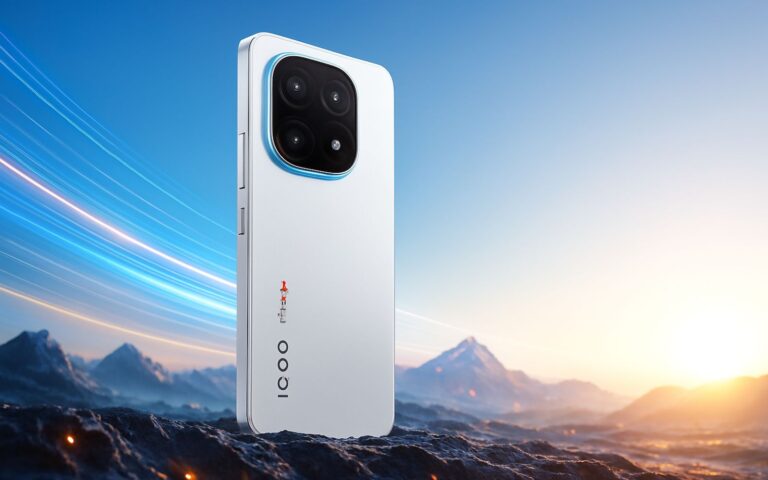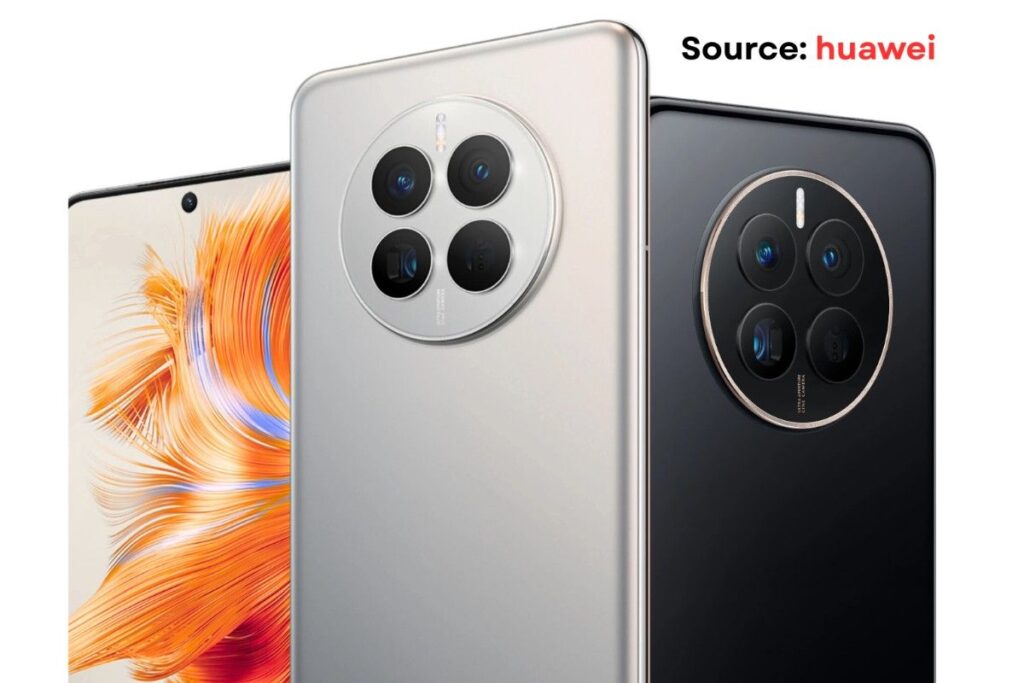
Huawei’s newest “Air” phone lands as a statement: ultra-thin design that refuses to compromise on endurance. The Mate 70 Air officially launched in China today, pairing a 7-inch OLED panel with a 6,500 mAh cell and Huawei’s in-house Kirin 9020 silicon a combination aimed at users who want flagship performance without the usual battery trade-offs.
Highlights
Huawei Mate 70 Air — Key specifications at a glance
Huawei Mate 70 Air Design & build
Huawei’s marketing leans hard on the “Air” label: the Mate 70 Air measures in the very thin territory (roughly 6.6 mm) and uses premium glass and metal finishes while packing a large battery that many would expect only in thicker phones. The result is a heavier-feeling handset for its thickness reports put weight around 208 g, a compromise that reflects the large 6,500 mAh cell inside.
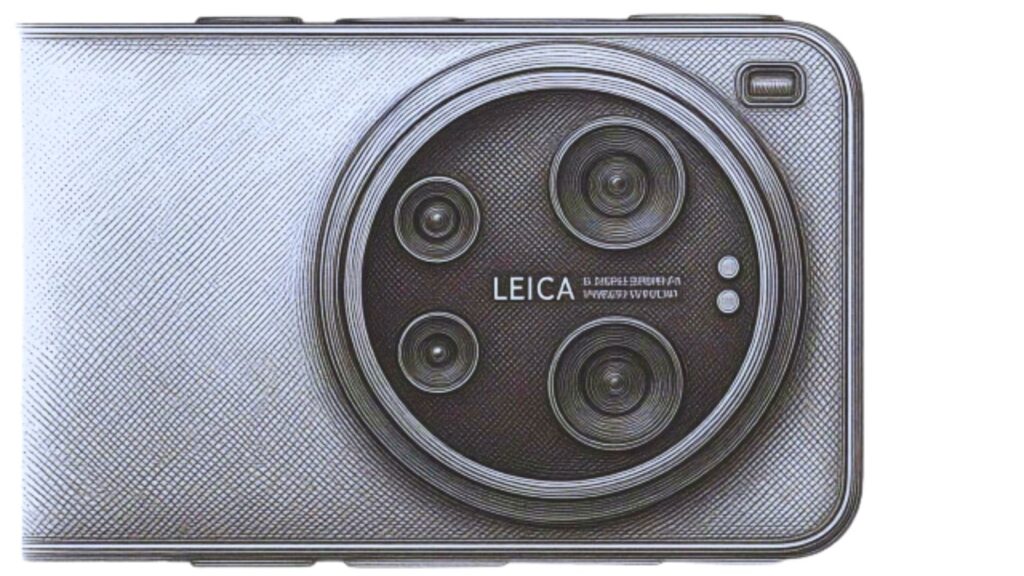
That circular camera island on the rear makes it clear Huawei didn’t trim imaging ambitions to achieve slimness; instead, the company appears to have engineered a dense internal layout that preserves both camera hardware and endurance.
Huawei Mate 70 Air Specifications, Features
The Mate 70 Air features a 7-inch 1.5K OLED display with a 120 Hz refresh rate, balancing immersive visuals with a slim form factor. Its high brightness supports strong outdoor and HDR performance. Powered by the Kirin 9020 chip, the phone focuses on efficiency and AI-driven optimizations, offering flagship-level performance tuned through HarmonyOS’ smart power management.
The Mate 70 Air’s camera setup resembles Huawei’s Pro models, featuring a 50 MP main lens with supporting ultrawide and telephoto sensors. Backed by Huawei’s XMAGE processing, it promises strong color tuning and HDR performance, with early samples showing good results in both daylight and low light pending full reviews for confirmation.
The Mate 70 Air combines a 6,500 mAh silicon-carbon battery with 66 W fast charging in a slim body, promising strong endurance and quick recharging. HarmonyOS optimizations enhance efficiency, and while real-world use looks promising, final results will depend on independent battery and thermal tests.
The Mate 70 Air runs on Huawei’s HarmonyOS 5.x, integrating deeply with the brand’s ecosystem across MatePads, Watches, and laptops. It emphasizes AI-driven features and seamless device pairing. For international users, the lack of Google Mobile Services remains a consideration, as Huawei continues to expand its own app ecosystem and cross-device experience as key selling points.
Price & availability
Huawei announced the Mate 70 Air in China first; local pricing and pre-order details were published alongside the launch. Global availability varies by market and may follow later, with pricing and SKU choices differing by region. Keep an eye on official VMall listings and regional retailers for confirmed dates and colors.
Competitor Quick Compare
Short frame to help readers decide quickly
| Brand group | Typical traits | Mate 70 Air advantage |
|---|---|---|
| Brand group OnePlus and OPPO flagships |
Typical traits
Often lighter with slimmer frames and smaller battery capacity. |
Mate 70 Air advantage
Large 6500 mAh battery
66 W wired charging
Slim body with endurance |
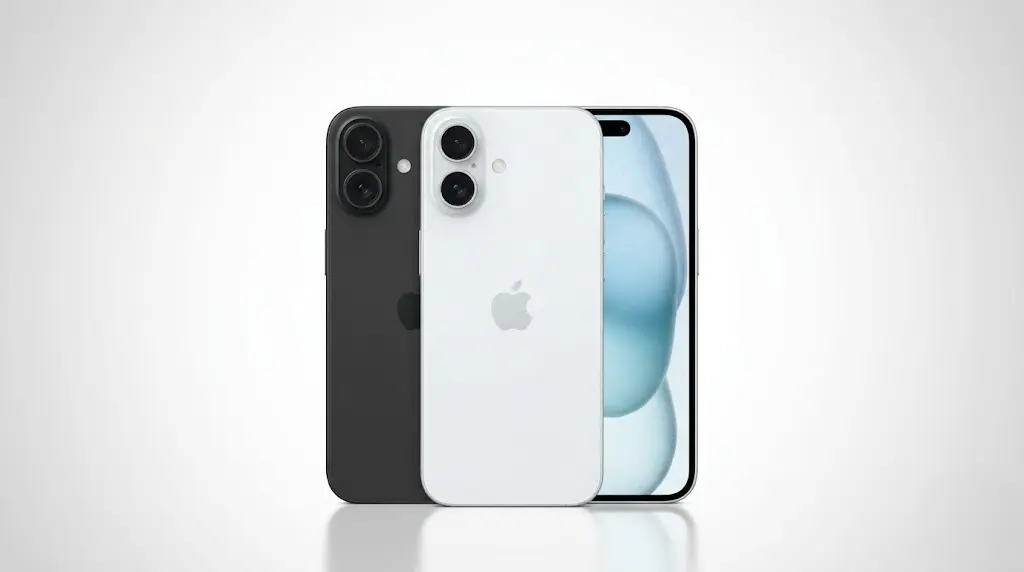
| Brand group iPhone Air class |
Typical traits
Thin builds but much smaller batteries and slower wired charging. |
Mate 70 Air advantage
Bigger battery capacity
Faster wired top ups
Longer screen time |
| Brand group Samsung and Xiaomi premium |
Typical traits
Strong camera software and wide ecosystems with balanced specs. |
Mate 70 Air advantage
Silicon carbon battery tech
Efficiency focus
Endurance in thin body |
The Huawei Mate 70 Air strikes a rare balance between slim design, strong battery life, and capable cameras. It stands out as one of 2025’s most interesting ultra-thin phones, though its global success will hinge on pricing, availability, and how well HarmonyOS supports apps beyond China.