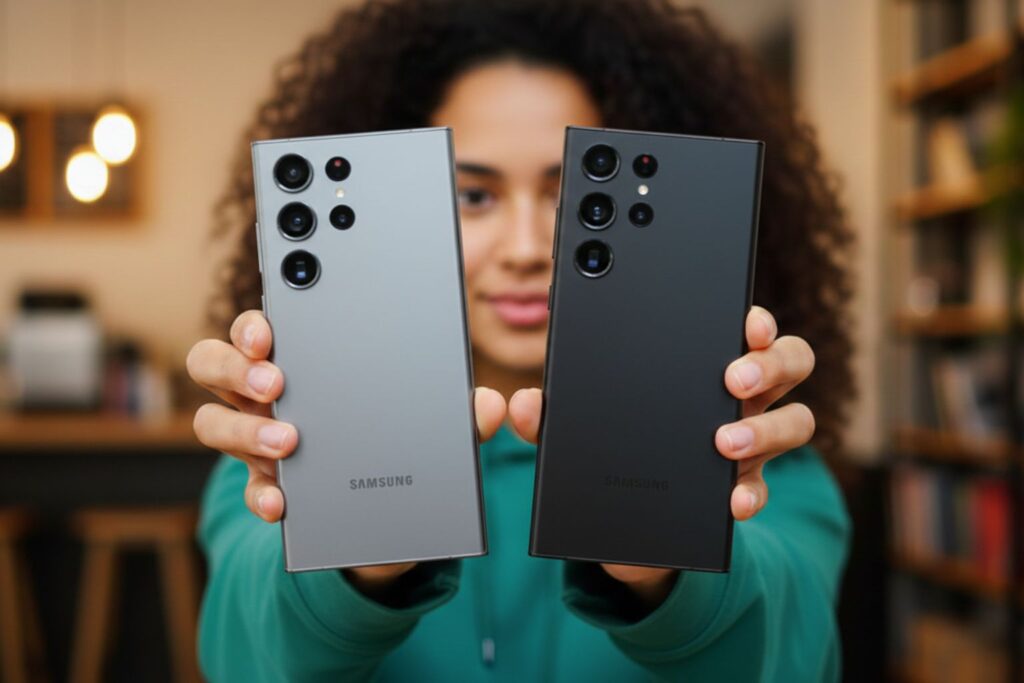
The decision to invest in a premium smartphone often hinges on timing. In February 2026, many consumers find themselves at a crossroads: the Samsung Galaxy S25 Ultra has been on the market long enough to see significant price corrections, yet industry release cycles suggest a successor is on the horizon.
Currently, the Galaxy S25 Ultra serves as the benchmark for Samsung’s mobile engineering, offering a mature feature set and high-performance hardware. However, with the Galaxy S26 Ultra expected to follow established launch patterns, prospective buyers must weigh the immediate value of a proven flagship against the potential refinements of the next generation.
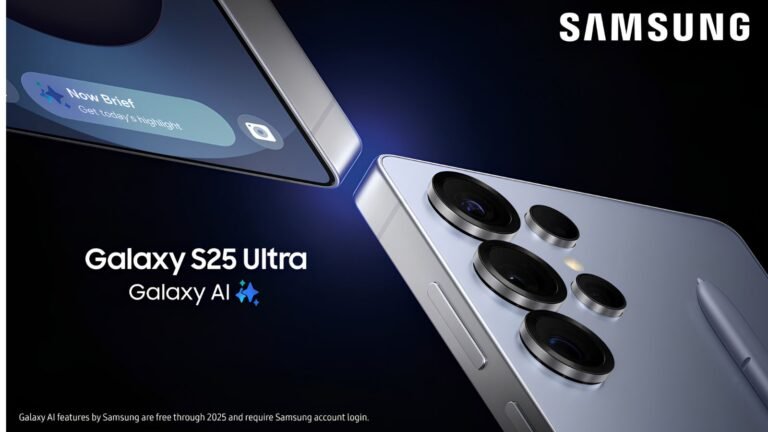
Samsung Galaxy S25 Ultra: What You Get Today
The Galaxy S25 Ultra remains a highly capable device, characterized by a focus on durability and display excellence.
Display: It features a 6.9-inch Dynamic LTPO AMOLED 2X panel with a 120Hz adaptive refresh rate and a peak brightness of 2,600 nits. The use of Gorilla Glass Armor 2 significantly reduces reflections and improves scratch resistance.
Performance: Powered by the Snapdragon 8 Elite for Galaxy, the device utilizes a 3nm architecture that provides ample headroom for multitasking, high-end gaming, and on-device AI.
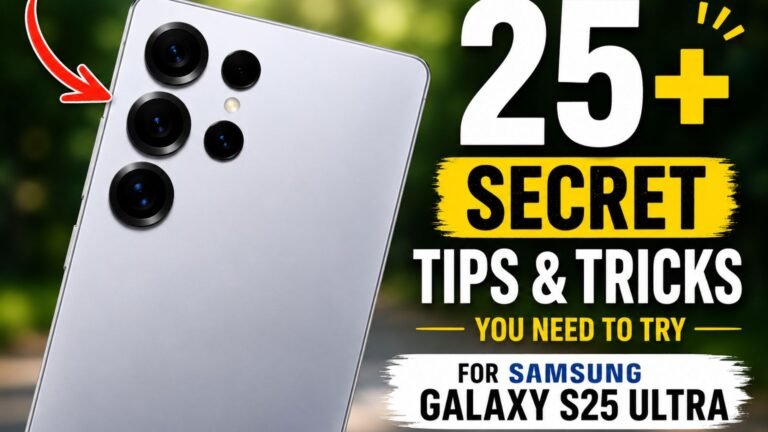
Camera System: The quad-camera array includes a 200MP primary sensor, a 50MP periscope telephoto (5x optical), a 10MP telephoto (3x optical), and a 50MP ultra-wide lens.
Battery and Build: A 5,000mAh battery supports 45W wired charging and 15W wireless charging. The frame is constructed from titanium, offering a balance of structural integrity and reduced weight (218g).
Software: Launched with Android 15, the S25 Ultra is eligible for Samsung’s seven-year update policy, ensuring relevance through 2032.
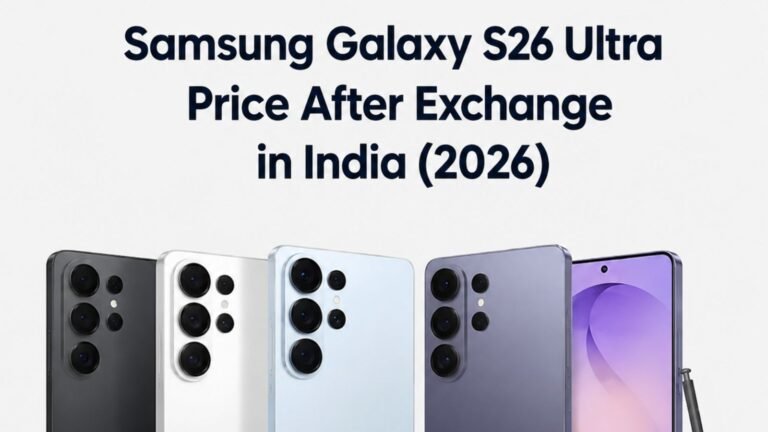
Galaxy S26 Ultra: What Can Be Reasonably Expected
Based on Samsung’s historical upgrade cycles and current industry platform trends, the Galaxy S26 Ultra is anticipated to focus on incremental efficiency and hardware refinements.
Platform Updates: Following the annual silicon cycle, the next model is expected to integrate the Snapdragon 8 Elite Gen 5 (or equivalent), likely moving toward a 2nm fabrication process for improved thermal management and power efficiency.
Efficiency Improvements: Early industry expectations suggest a potential increase in charging speeds—possibly reaching 60W wired—addressing a long-standing request from the user base.
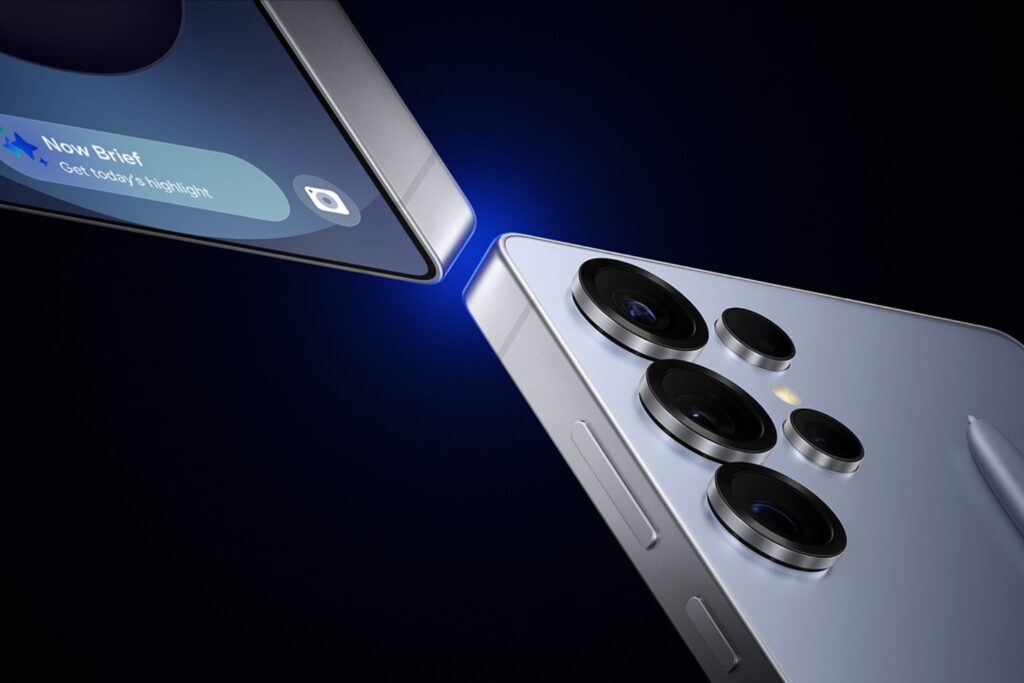
Design and AI: Historically, Samsung alternates between major design overhauls and ergonomic refinements. For 2026, expectations lean toward subtle frame adjustments to improve in-hand comfort and deeper integration of “Galaxy AI” features within the next iteration of One UI.
Uncertainty: It is important to note that while charging and processor upgrades are highly likely, specific sensor changes or battery capacity increases remain unconfirmed until official announcements.
Performance & Longevity Comparison
The Galaxy S25 Ultra is designed to age gracefully. With 12GB of RAM as standard (and 16GB on higher tiers), it possesses the hardware necessary to handle future Android versions comfortably.
Incremental upgrades in the “Ultra” line typically offer a 10-15% boost in raw processing power. While the S26 Ultra will undoubtedly be faster, the S25 Ultra’s Snapdragon 8 Elite is already powerful enough that most users will not notice a performance deficit for several years.
Both devices share the same seven-year software commitment, meaning the “longevity gap” is essentially reduced to one year of version updates.
Camera Evolution: Buy Now or Wait?
Samsung’s camera strategy has shifted from radical hardware changes to sophisticated computational photography. The 200MP sensor in the S25 Ultra is already at the top of its class.
If the S26 Ultra follows the pattern of the S24 to S25 transition, improvements will likely be iterative, focusing on better low light video processing and more natural AI driven zoom.
Users who require the absolute latest in video stabilization might find value in waiting, but for the vast majority of photography use cases, the S25 Ultra remains a top tier performer.
Pricing, Availability, and Value Over Time
In the Indian market, the Galaxy S25 Ultra has entered its most attractive value phase.
Launch Price: Originally debuted at ₹1,29,999.
Current Pricing: As of February 2026, retailers like Amazon and Flipkart frequently list the device between ₹1,10,000 and ₹1,19,000.
Launch Pattern: Historically, new Ultra models launch at full MRP with limited initial discounts. Choosing the S25 Ultra now offers a “value peak,” where the price has dropped but the technology remains current.
Who Should Buy the Galaxy S25 Ultra Now?
Users on a 3+ Year Cycle: If you are upgrading from a Galaxy S21 or S22 Ultra, the jump in display quality, battery life, and camera performance will be massive.
Value-Conscious Flagship Buyers: Those looking for the Ultra experience without paying the “launch day premium” will find the current discounts compelling.
Productivity Power Users: The S-Pen functionality and 6.9-inch screen are already fully realized in the 2025 model.
Who Should Consider Waiting for the Galaxy S26 Ultra?
Enthusiasts Seeking the 2nm Leap: If you prioritize having the first 2nm chipset for maximum efficiency, waiting for the next platform is logical.
Charging Speed Seekers: If 45W charging is a dealbreaker, the expected jump to 60W in the next generation may justify the wait.
Current S24 Ultra Owners: The S25 Ultra was a refined version of the S24; owners of the 2024 model may find the 2026 model provides a more significant cumulative upgrade.
Final Verdict
The Samsung Galaxy S25 Ultra is a complete, high-performance package that faces no immediate obsolescence. Its current pricing in India makes it a sensible purchase for those who need a premium device today.
However, for those who can afford to wait another few months and are willing to pay the full launch price, the Galaxy S26 Ultra will likely offer the definitive version of Samsung’s 2026 vision. The choice ultimately depends on whether you prioritize immediate value or next-generation refinement.