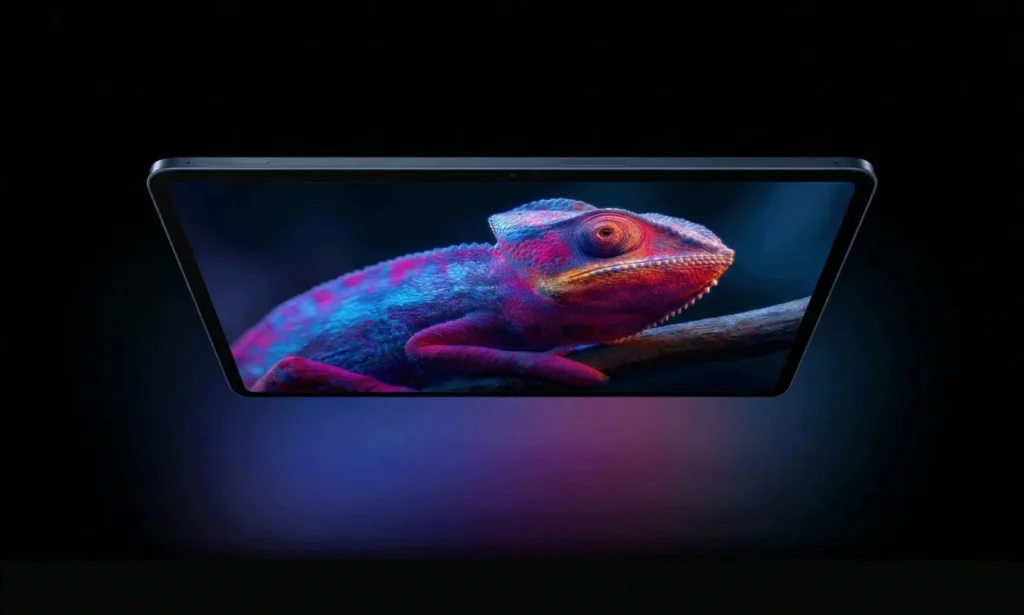
The Xiaomi Pad 8 arrived in early 2026 with a familiar face but meaningful upgrades under the hood. If you already own the Pad 7, or are deciding between the two, here is exactly what changed and whether it matters.
The 3 Biggest Changes at a Glance
- Faster processor: Snapdragon 8s Gen 4 replaces the Snapdragon 7+ Gen 3
- Thinner and lighter: 5.75mm vs 6.18mm, and 15g lighter at 485g
- Bigger battery: 9,200 mAh vs 8,850 mAh
Full Specs: Pad 8 vs Pad 7
| Feature | Xiaomi Pad 8 (2026) | Xiaomi Pad 7 |
|---|---|---|
| Processor | Snapdragon 8s Gen 4 | Snapdragon 7+ Gen 3 |
| Display | 11.2-inch 3.2K, 144Hz | 11.2-inch 3.2K, 144Hz |
| Battery | 9,200 mAh | 8,850 mAh |
| Charging | 45W | 45W |
| Thickness | 5.75 mm | 6.18 mm |
| Weight | 485 g | 500 g |
| Cameras | 13MP Rear / 8MP Front | 13MP Rear / 8MP Front |
| Software | HyperOS 3 (Android 16) | HyperOS 2 (Android 15) |
Performance: The Biggest Reason to Upgrade
The Pad 8 moves into flagship-tier territory with the Snapdragon 8s Gen 4.
Xiaomi claims a 32% CPU boost and a 67% GPU boost over the Pad 7.
For everyday use like browsing, streaming, and light apps, the difference will be minimal. But for heavy gaming, video editing, or running multiple windows at once, the Pad 8 is noticeably faster and will stay capable for longer.
Design: Thinner Despite a Bigger Battery
Usually a larger battery means a thicker device. Not this time.
The Pad 8 is slimmer (5.75mm vs 6.18mm) and 15 grams lighter, which adds up when holding it one-handed for extended reading or watching.
Battery Life: A Small But Welcome Boost
The extra 350 mAh translates to roughly 1 to 2 additional hours of screen-on time.
Charging speed stays the same at 45W on both tablets. Because the Pad 8 has a larger battery, it will take slightly longer to reach 100%.
Display and Cameras: No Changes
Both tablets share the same:
- 11.2-inch 3.2K LCD, 144Hz, 800 nits
- Dolby Vision support
- 3:2 aspect ratio
- 13MP rear and 8MP front cameras
If the screen or camera is your deciding factor, neither has an edge.
Software: HyperOS 3 on the Pad 8
The Pad 8 ships with Android 16 and HyperOS 3, which introduces resizable overlapping windows and a more desktop-like browser experience.
The Pad 7 runs HyperOS 2 on Android 15 and will likely receive updates, but won’t launch with these productivity features out of the box.
Which One Should You Buy?
Choose the Xiaomi Pad 8 if you:
- Game heavily or use graphics-intensive apps
- Want to use the tablet as a productivity or work device
- Prioritise having the thinnest, lightest build
Choose the Xiaomi Pad 7 if you:
- Mainly watch videos, browse, or read
- Are on a tighter budget. The display and speakers are identical, so the media experience is the same on both
The Pad 7 remains a solid tablet for casual use. The Pad 8 is the better investment for anyone who pushes their device harder or wants more future-proofing.